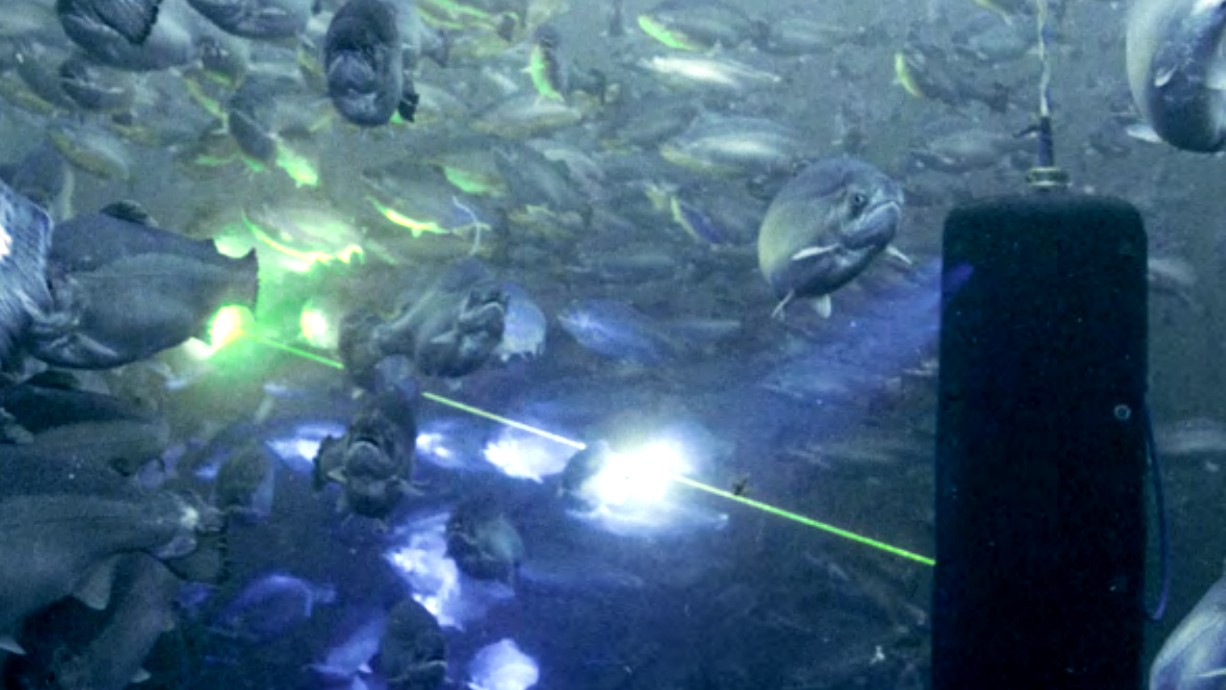
AI-powered underwater robots equipped with lasers are being widely used in Norwegian salmon farms to detect and eliminate parasites attached to the fish. According to technology media Tom's Hardware, the number of operational underwater robots has exceeded 3,500.
3,500 laser-armed AI submarine robots patrol Norwegian salmon farms, killing sea lice and protecting 112 million fish — parasites get zapped by high-tech alternative to harsh chemical baths | Tom's Hardware
https://www.tomshardware.com/tech-industry/drones/3-500-ai-laser-robots-patrol-norwegian-salmon-farms-killing-sea-lice-parasites-get-zapped-by-high-tech-alternative-to-harsh-chemical-baths
One of the major challenges in salmon farming is the parasitic crustacean known as sea lice. Sea lice attach to the fish's skin and consume mucus, skin, and blood, hindering fish growth and increasing the risk of disease.
Traditionally, methods such as immersing salmon in water mixed with chemicals or removing sea lice using warm water or water currents have been used. However, these treatments can cause stress to the salmon and may injure the fish, leading to higher mortality rates.
To address this, Norway's Stingray Marine Solutions developed a sea lice removal system combining AI image recognition with lasers. It has been in practical use since 2014, installing underwater robots equipped with cameras, lasers, and LED lighting in fish farms.
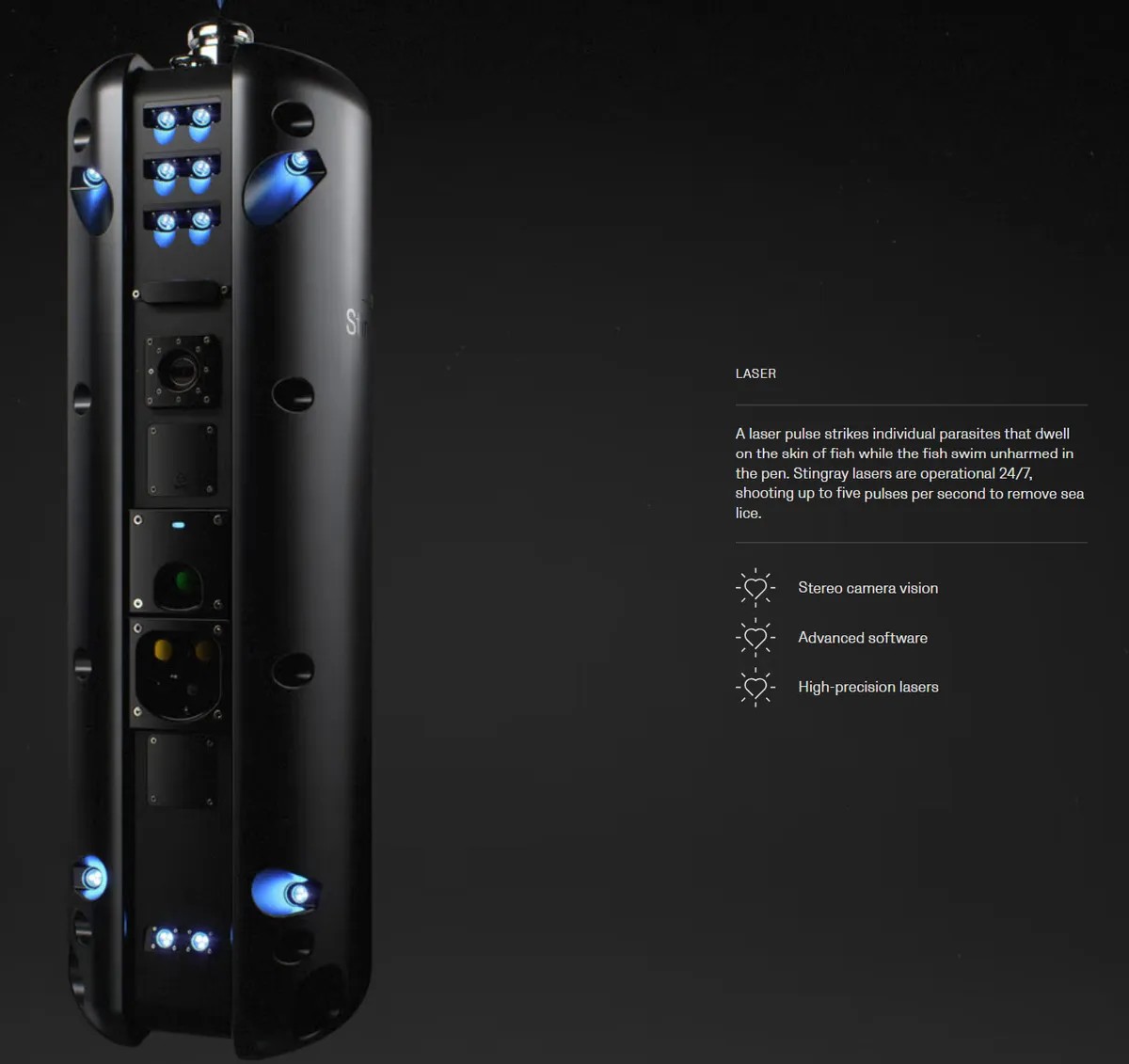
You can actually see the underwater robots in action in the following movie.
Stingray Marine Solutions - Node 4000 Salaks - YouTube
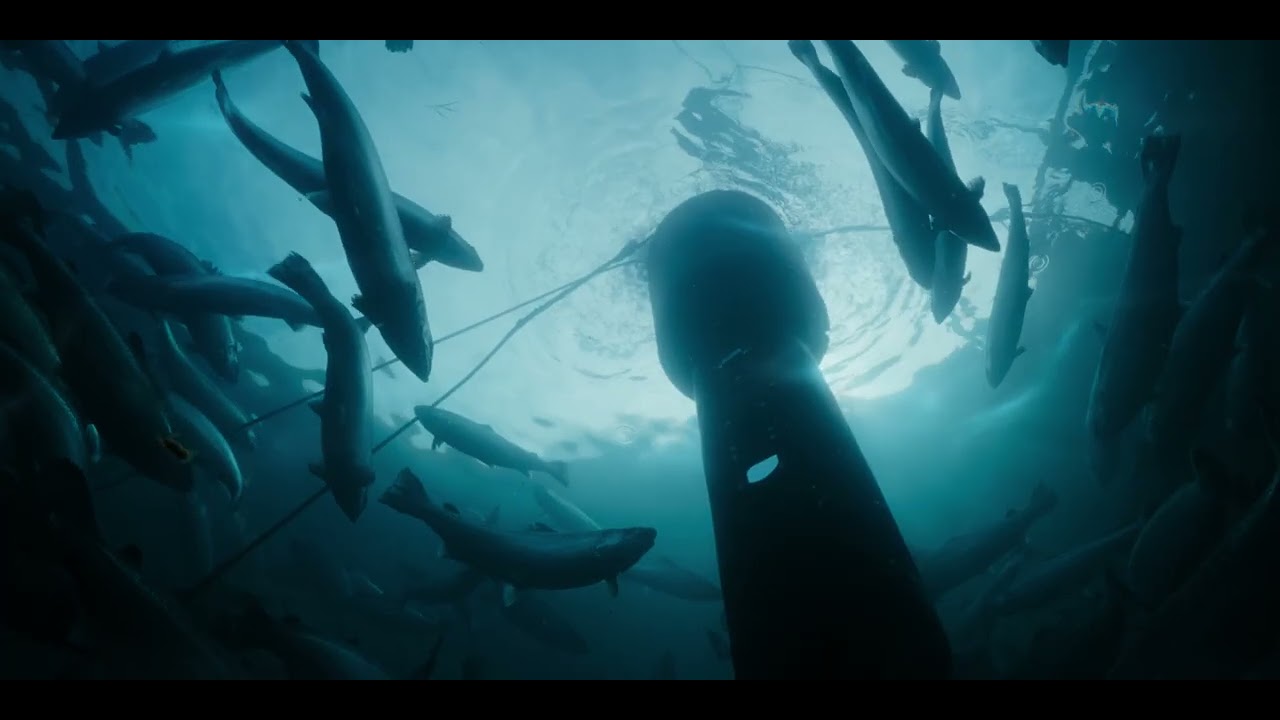
Underwater robots capture images of salmon swimming in front of them, identifying attached sea lice through machine learning. They then emit lasers to kill the detected sea lice, with the lasers capable of firing up to five times per second, allowing for 24/7 removal without harming the salmon. Additionally, the captured images are utilized for fish health management, enabling AI analysis of sea lice numbers, fish injuries, maturity, and weight.
Stingray Marine Solutions' (PDF file) 2025 report states that the number of fish farms utilizing underwater robots increased from 68 in 2023 to 173 by 2025.
The number of protected fish has also increased from 48.2 million to 112.2 million, covering 20 to 25 percent of salmon farmed in Norway.
The percentage of weeks in 2025 in which eradication measures for sea lice were required was 16.3% for aquaculture facilities that did not implement the system, whereas it remained at 9.4% for those that did. It is believed that by continuously eradicating sea lice before they reproduce in large numbers, the burden on the fish can be reduced.
Additionally, according to the number of operational underwater robots, which exceeded 2,500 in 2025, had increased to over 3,500 by November 2026. Although Tom's Hardware, a hardware-related news site, points out that there are still challenges regarding the initial costs and the scope of coverage by underwater robots, it evaluates Stingray Marine Solutions' system as effective as a preventive measure for continuous eradication before sea lice reproduce in large numbers.

