
About 600,000 Nvidia H200 chips are stored in Hong Kong, awaiting authorization from Beijing to be sent to mainland China. The Chinese government has yet to allow large-scale imports, despite tech companies' demand for advanced artificial intelligence processors.
Beijing's resistance reflects concerns about dependence on U.S. technology. At the same time, Chinese companies need Nvidia's chips to meet growing demand for computing capacity.
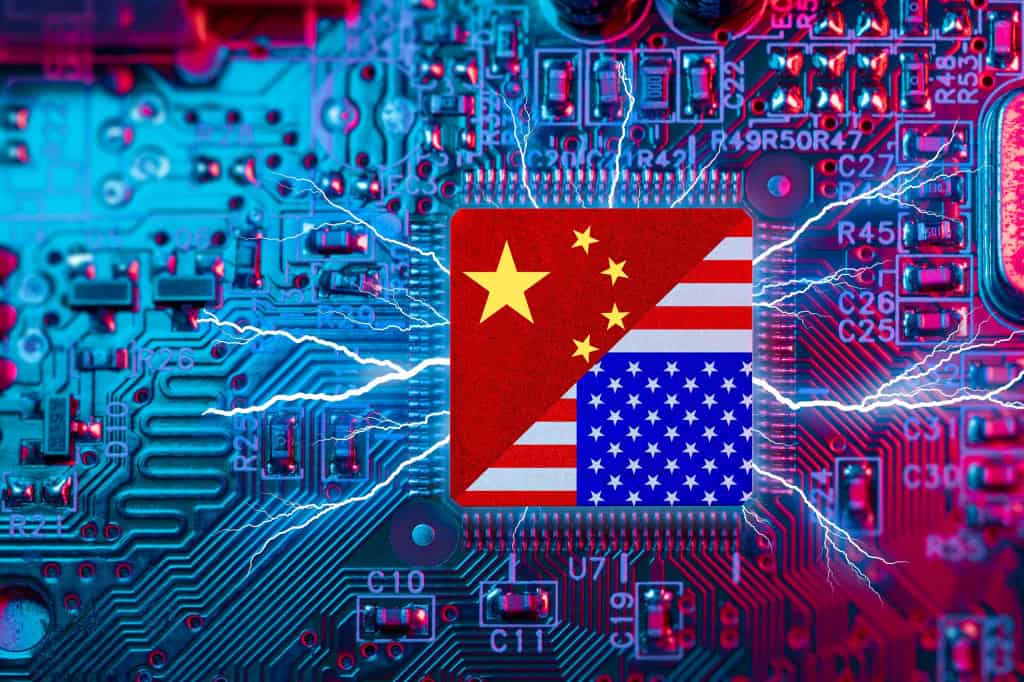 U.S. export controls imposed since 2022 limit the shipment of advanced processing equipment to China. – Image: Quality Stock Arts/Shutterstock
China allows small shipments but maintains restrictions
In recent months, Beijing has authorized the entry of some H200 units. Large Chinese internet companies have each received approximately 10,000 chips, according to people heard by Reuters. Small quantities have also arrived in the country through intermediaries and indirect routes.
The H200 is not Nvidia's most recent AI processor, but offers capabilities that Chinese alternatives have not yet managed to match.The chip is particularly useful for training AI models when combined with the manufacturer’s software.
The limited supply is related to the export controls imposed by the United States since 2022, which restrict Chinese access to advanced Nvidia chips and the equipment needed to manufacture them. With fewer units available through authorized channels, buyers turned to the parallel market, where prices rose.
At the end of October, servers equipped with these processors were offered in mainland China at the following prices:
- More than 6 million yuan (approximately R$4.94 million): a server with eight H200 cards, around three times the price of a year earlier.
- More than 20 million yuan (about R$16.45 million): a server equipped with Nvidia’s latest Blackwell chips, which are also subject to U.S. export controls.
The prices were provided by a person familiar with the subject. In the case of the H200, the price was approximately US$900,000 (approximately R$4.95 million).
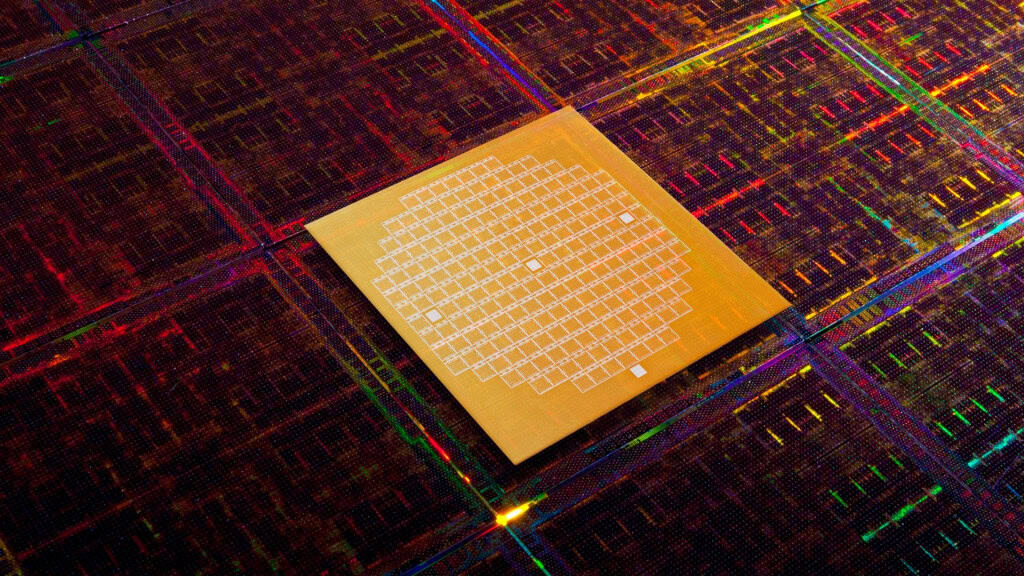 Beijing authorities signaled that technology companies should prioritize Chinese processors to run AI models. – Reproduction / Nvidia
Technological dispute between Washington and Beijing
The chip restrictions are part of a broader trade dispute between the United States and China.Washington had banned the export of the H200 to the Chinese market, but the Trump administration changed its policy last year and authorized Nvidia to sell the processors to approved Chinese customers following trade negotiations between the two countries.
In May,Reuters reported that the United States had approved sales to ten Chinese companies, including Alibaba, Tencent and ByteDance. Beijing, however, imposed its own restrictions on imports.
In July, the websiteThe Information reported that Chinese authorities had signaled to companies such as Alibaba, ByteDance and DeepSeek the possibility of buying limited quantities of H200s to train AI models. According to the publication, the total number of approvals could fall below 200,000 units. The government also wanted companies to prioritize domestic processors for inference, the stage in which AI models perform tasks.
The search for alternatives did not prevent new orders of Nvidia products. According to aReuters report published in October, ByteDance, Alibaba and Tencent ordered more than 3 million RTX Pro 5500 graphics cards. The model is less powerful and complies with U.S. export rules. The combined list price of the orders exceeded US$ 35 billion.

Valdir Antonelli is a journalist specializing in digital marketing and consumer affairs.


