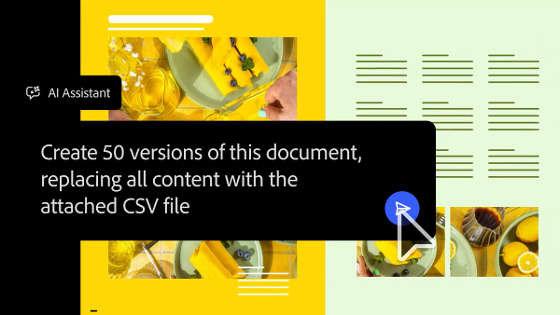
On November 10, 2026, Adobe announced support for Model Context Protocol (MCP) at the creator event “Adobe MAX 2026,” enabling major applications such as Photoshop and Premiere Pro to be operated by external AI agents. A private beta is planned for early 2027, allowing image and video editing work to be delegated to AI agents.
Adobe Powers a New Era of Creativity, Bringing Agents and Tools to Creatives Wherever and However They Create
https://news.adobe.com/news/2026/11/adobe-powers-new-era-of-creativity
Adobe Transforms its Creative Cloud Tools into Agentic Workflows Built with the Precision and Control Pros Expect, Giving Creatives More Time for Their Craft
https://news.adobe.com/news/2026/11/adobe-transforms-creative-cloud-tools
Explore new ways to create across Creative Cloud and Adobe Firefly while advancing your craft with more precision, choice and control
https://blog.adobe.com/en/publish/2026/11/10/explore-new-ways-create-across-creative-cloud-adobe-firefly-while-advancing-craft-precision-choice-control
What Adobe announced is an integration feature that uses MCP, an open standard for connecting AI with external applications. This enables AI assistants such as ChatGPT to call Adobe applications and perform editing tasks through natural-language instructions. The four supported applications are Photoshop, Illustrator, Premiere Pro, and After Effects.
The MCP integration operates locally on the user’s PC and allows AI agents to directly edit project files in Adobe’s native formats. Photoshop layers, Illustrator vector data, Premiere Pro sequences, and other such data remain editable, allowing users to manually make fine adjustments after an AI agent has completed its work.
For example, if a user instructs an AI agent to remove a logo from an image for an advertising campaign, the agent can operate Photoshop to edit the image and apply the same changes to other images. When combined with MCP-compatible services such as Google Drive and Slack, it also becomes possible to perform a series of tasks, such as reading a proposal stored in Google Docs and sharing work created in Adobe applications with a team through Slack.
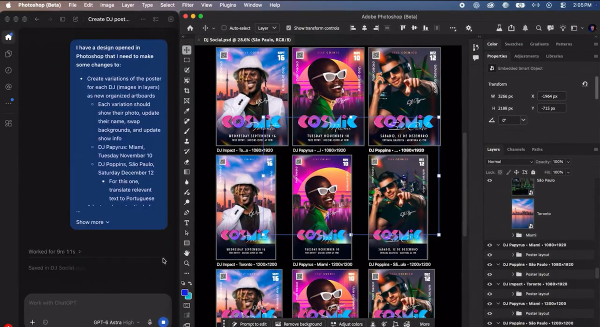
Furthermore, Adobe has expanded the scope of support for its own AI assistant. It is offering beta versions of the AI assistant for Premiere Pro, Illustrator, InDesign, After Effects, and Frame.io, and the assistant is now also available in Photoshop through a beta app. In Premiere Pro, natural-language instructions can be used to perform tasks such as applying effects to all clips in a sequence, tracking a subject, or collectively adjusting the color and exposure of multiple clips.
Additionally, Adobe MAX 2026 saw the announcement of new AI features for each app. Photoshop is adding “Relight,” which can add and adjust light sources within an image, and “Generative Restyle,” which changes an image’s style based on text instructions. Premiere Pro is introducing “Color Mode” for adjusting the color of footage, as well as a “Generative Media Tool” for generating footage, sound effects, music, and other content on the timeline.

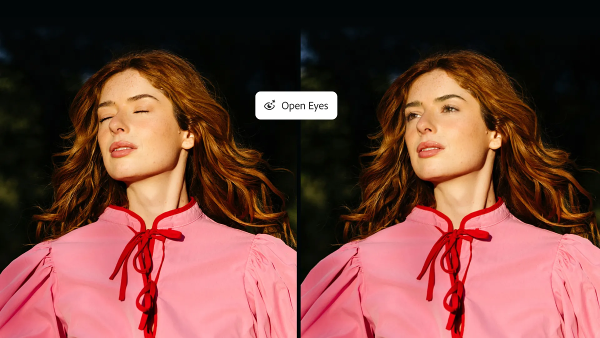
Other additions include “Open Eyes” in Lightroom, which corrects closed eyes in photos of people, and “Co-editing” in InDesign, which enables multiple people to edit the same document. These new features will be made available gradually, with some released as beta versions.
Adobe’s image and video generation AI service, Firefly, is also gaining expanded functionality. For example, Firefly Video makes it possible to organize scenes in a video and combine clips, or generate subtitles, scene transitions, and supplementary footage. Meanwhile, Firefly Design integrates tools for illustrations, image editing, animation, and 3D into a single screen, allowing users to streamline their design work.
Also being introduced are “Quick Actions,” which make frequently used editing tasks easy to perform, and “Firefly Graph,” which enables users to build reusable workflows by combining multiple AI models with Adobe tools. “Firefly Builder,” which can create website and app prototypes using natural-language instructions, will be made available as a private beta. The Firefly AI assistant is also adding “Plan Mode,” which enables users to review and approve the AI’s execution plan in advance, and “Model Selector,” which allows them to choose the AI model to use.
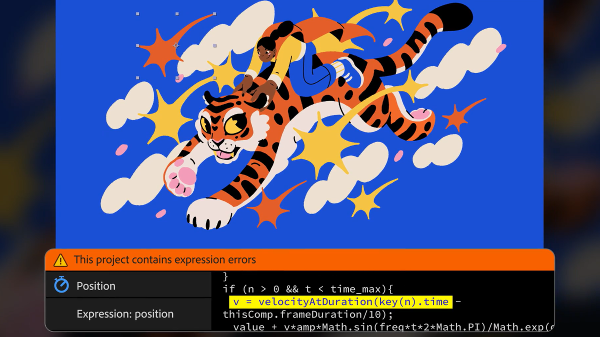
Regarding MCP integration, Adobe has stated that it will begin offering a private beta in early 2027, while the timing of general availability was still unclear when this article was written.