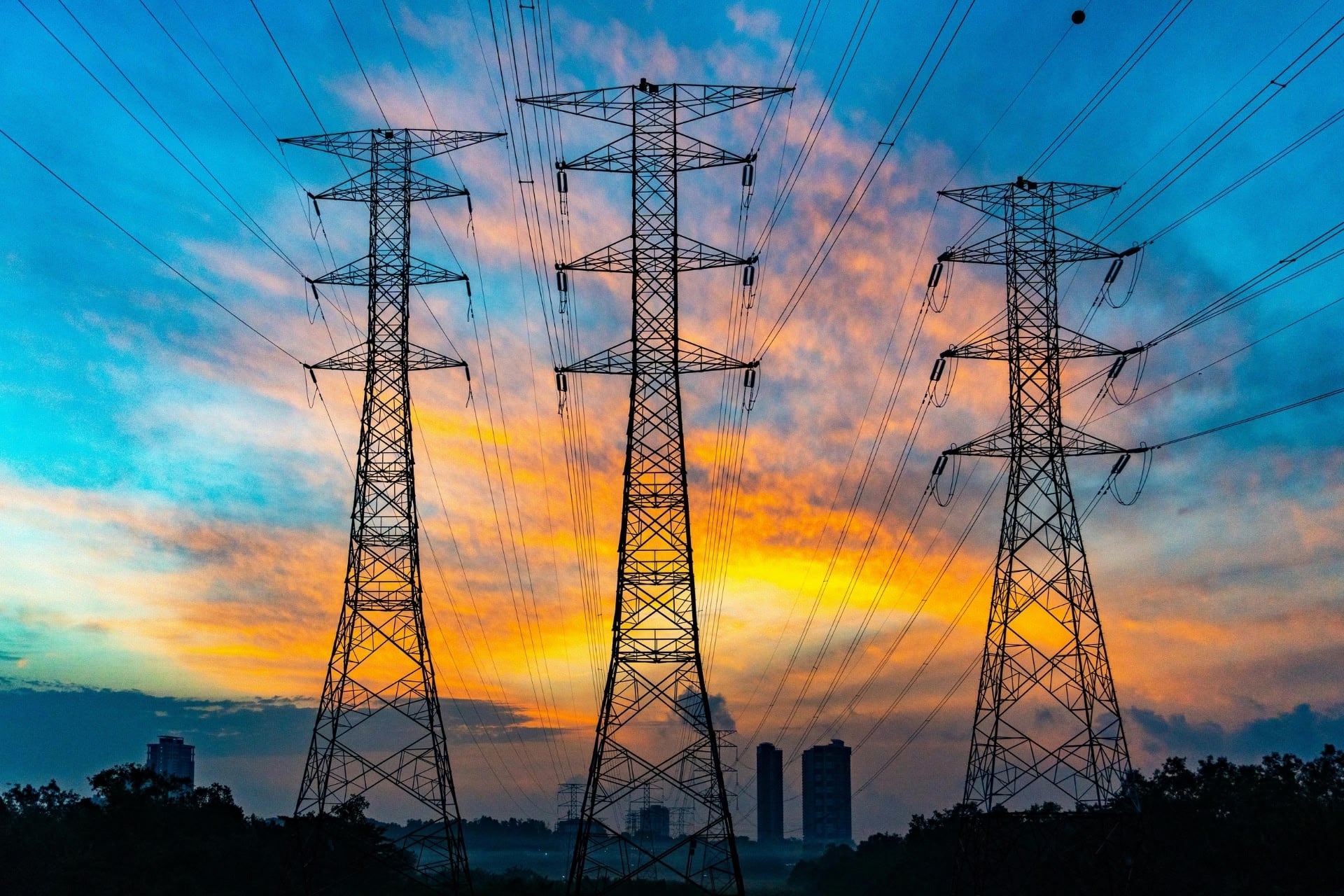
 © Pexels
Data centers are becoming a genuine industrial issue, and for good reason: their energy consumption has exploded as the number of projects devoted to generative AI has multiplied. To avoid threatening its power grid, Europe is going to regulate the existing infrastructure and future projects.
Every request sent to a chatbot starts up, somewhere, a data center that devours electricity. Multiplied by the billions, the total now weighs on European power grids that have already been under strain for most of the year.To prevent a breakdown, the European Commission has just published a roadmap that makes demand smoothing one of its tools for addressing AI.
Why is the European grid reaching capacity?
Data center consumption is expected to more than double as AI expands, and some regions are already saturated: around Frankfurt, London or Amsterdam, the grid’s capacity margins are rapidly shrinking. Unlike a factory, where production can be shifted, a data center must run 24 hours a day to guarantee service availability. As a result, fossil-fuel power plants stay on longer to meet demand, and electricity bills are rising.
AI is no longer treated as merely a digital issue but as an industrial and energy challenge, captured in a phrase by the Energy Commissioner: “there is no AI without energy”. A European think tank has quantified the scale of the threat: without rapid reforms, the largest AI clusters could draw in electricity and public funding, only to end up underused and abandoned in favor of more welcoming regions.
The EcoWatt model applied across Europe
In France, EcoWatt has provided electricity weather forecasts for years, with green, orange or red signals encouraging people to shift their consumption during peak periods. It has become a reflex during difficult winters: the system is based on a simple principle: curb or defer demand when it threatens to exceed production.Brussels wants to generalize this logic of load curtailment, but is first targeting large consumers. To connect to the grid, data centers should now be willing to flex: tolerate greater voltage variations, help prevent outages during disturbances, or even switch to on-site generation during peak periods. The Commission is also planning minimum performance standards for data centers, both new and existing, with a needs assessment expected by 2027.
The stated goal is to align digital demand with the grid rather than let it undermine the grid, so that the growth of AI supports the energy transition instead of competing with it. This shift also means that data center operators will have to play their part. Otherwise, consumers risk bearing the cost on an electricity bill that has already been trending upward since 2022.
👉🏻 Follow tech news in real time: add 01net to your sources on Google, and subscribe to our WhatsApp channel.
Source: European Commission








- Google Play Store
- 4K Video Downloader Plus
- VLC Media Player
- Adobe Reader
- uTorrent
- WinRAR
- Xender
- Google Chrome
- CCleaner
- Mozilla Firefox
- Avast Free
- ChatGPT
- Microsoft 365
- Opera One
- Avast One










Download
- Google Play Store
- 4K Video Downloader Plus
- VLC Media Player
- Adobe Reader
- uTorrent
- WinRAR
- Xender
- Google Chrome
- CCleaner
- Mozilla Firefox
- Avast Free
- ChatGPT
- Microsoft 365
- Opera One
- Avast One


