Palantir says that neither the company nor the U.S. government can remotely shut down its artificial intelligence platform used by NATO. The statement comes after restrictions on Starshield in Ukraine rekindled European concerns about reliance on American military technologies.
The Maven Smart System processes battlefield data to help military personnel make decisions. Despite its adoption by NATO, France and Germany have not incorporated the tool into their own armed forces amid concerns about reliance on a foreign company.
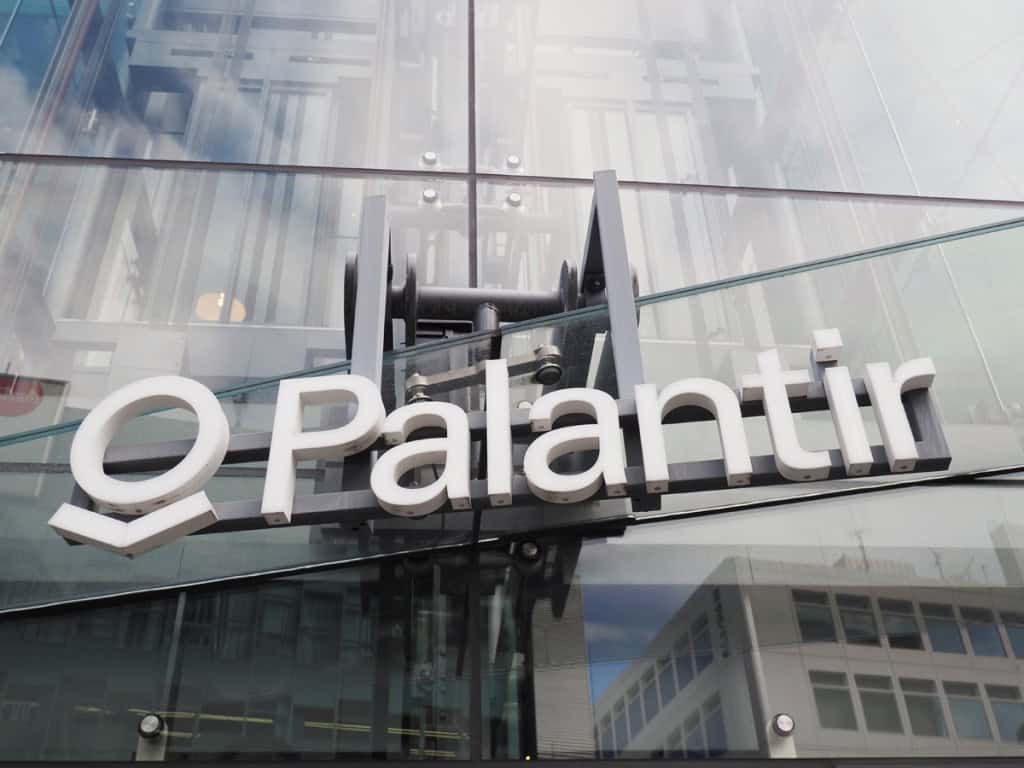 France and Germany have not adopted Maven in their own armed forces amid concerns about technological dependence. – Image: Ned Snowman/Shutterstock
How the Maven system works
Developed by Palantir, Maven gathers information from satellites, radars and other sensors to give commanders a more comprehensive view of the battlefield and speed up decision-making.
NATO acquired the platform in 2025 for its Supreme Headquarters of the Allied Powers in Europe. In June 2026, the alliance declared that the system had reached full technical and operational capability. However, the organization's adoption did not lead all European countries to use the tool in their own military structures.
Why France and Germany are resisting
Resistance to the platform is linked to concerns about relying on an American company for strategic military activities.Political tensions between U.S. President Donald Trump and European leaders also increased concerns about the risks of relying on technologies that may be affected by decisions made in Washington.
The episode involving Ukraine reinforced this concern. The country reported restrictions on Starshield, a military service that uses SpaceX’s Starlink satellite constellation. The terminals stopped working on high-speed platforms, hampering tasks such as using interceptor drones against Russian attacks.
The The Wall Street Journal reported that Elon Musk ordered restrictions on the Starlink used by Ukraine. Donald Trump denied ordering the measure, while Musk said that decisions regarding access to the service were SpaceX’s responsibility. U.S. Secretary of State Marco Rubio attributed responsibility to the company and Musk, while Ukrainian President Volodymyr Zelensky also blamed the U.S. government for the restriction.
The disagreement intensified European concerns about dependence on American military technologies. France and Germany did not adopt Maven in their own armed forces, but the source specifically details Germany’s objections. In April 2026, the head of the country’s cyber command ruled out purchasing the platform and considered it “inconceivable” that employees of a private company would have access to the national military database.
 Dependence on North American software sparks debate about vulnerability on the battlefield.– Image created by artificial intelligence: Gemini/Olhar Digital
Palantir guarantees customers control
Amid the concerns, Louis Mosley, Palantir’s executive vice president for the United Kingdom and Europe, told Reuters that customers retain operational control of the software they purchase.
“There are no shutdown mechanisms. Neither Palantir nor the US government has any way to access the system and shut it down,” he said.
Mosley also explained that company employees’ participation in the operation depends on the client’s decision. If hired for this role, they would be citizens of the country being served and would need the required security clearance.
TAG38@@According to the executive, Maven can operate without direct participation from Palantir. He said that military clients already operate the systems in this way.@@40@@The discussion about the platform involves three important issues:- Access to military information: who can consult strategic data and under what conditions.
- Continuity of operations: how to keep essential systems running in the event of possible disruptions.
- Technological control: the extent to which armed forces can operate their tools without relying on the provider.
Palantir says its clients can operate Maven without the company’s participation and that neither it nor the US government can remotely shut down the system. Germany, however, remains concerned about private personnel accessing strategic military data.The source does not detail France's specific reasons for not adopting the platform.

Valdir Antonelli is a journalist specializing in digital marketing and consumer behavior.

