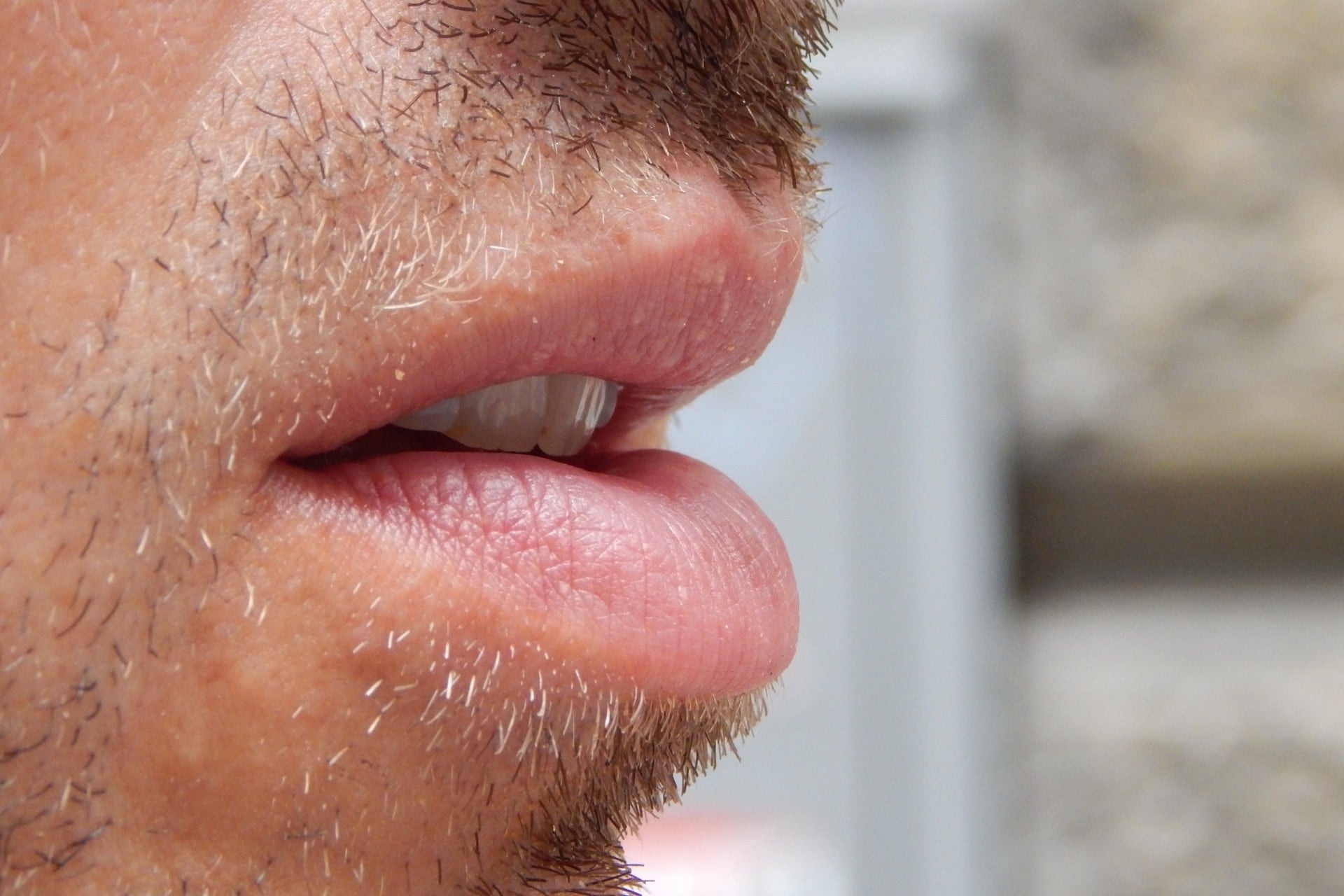
 © Marisa_Sias/Pixabay
Blow into a sensor to have an AI determine whether you are incubating a serious respiratory or cardiac disease: the startup Ainos has just launched a clinical study in Taiwan to test exactly that. The technology is still in the validation phase. The promise deserves to be taken seriously.
Medicine has long known that certain diseases leave traces in the air we exhale. Dogs have demonstrated for years that they can detect certain cancers through smell. A Scottish nurse, Joy Milne, even became globally famous for having diagnosed cases of Parkinson’s disease by sniffing clothing worn by patients well before the appearance of the first visible symptoms.It took machines much longer to approach this level of sensitivity. A Nasdaq-listed startup specializing in olfactory technology believes it has taken a step forward.
Read also: ChatGPT no longer holds the majority of the AI market, a historic first
An electronic nose and a language model for smells
When we exhale, the air contains minute traces of volatile organic compounds (VOCs): molecules produced by metabolism, bacteria present in the lungs, or inflammatory processes. These VOCs vary depending on health status, and the entire promise of olfactory diagnosis rests on this variation. Academic research on medical electronic noses has been active since the 2000s. What Ainos brings is an integrated artificial intelligence layer. MEMS sensors (microelectromechanical) capable of detecting parts-per-billion concentrations process the signal, which is then converted by a proprietary algorithm called Smell Language Model. The name is not coincidental: the idea is to treat olfactory fingerprints the way a language model processes text, by looking for patterns in structured data (except that no one can make it say what it has not smelled).
The research program launched with National Taiwan University targets patients arriving at the emergency room with dyspnea, in other words, shortness of breath.The quintessential vague symptom, dyspnea can point to two serious conditions with very different treatments: an acute exacerbation of chronic obstructive pulmonary disease, or decompensated heart failure. Rapidly distinguishing between them is exactly the kind of task emergency departments chronically lack the time and resources to perform. The study is scheduled to run for one year starting in July 2026.
Real potential, but validation remains to be achieved
The key word in all of this is “research,” a stage that Ainos itself uses to characterize the technology. There are not yet any published clinical results for this specific program: the study is beginning, not concluding. This detail deserves emphasis at a time when biotech startup announcements tend to conflate “we are going to test” with “it works.”
Yet this is not an idea without concrete precedents. Since June 1, 2026, the same device has been deployed in the emergency department of National Taiwan University Hospital for a different application: monitoring the department’s saturation level and assessing the risks of respiratory transmission. A more modest mission, but one that nevertheless provides real-world data in a functioning hospital environment. More broadly, the market for “medical electronic noses” was valued at nearly $30 billion in 2025. This figure reflects both investors’ appetite for the field and the difficulty of obtaining robust clinical validation in it.The sensitivity of these systems varies greatly depending on the deployment conditions, and this type of obstacle has brought several promising programs to an end over the past ten years.
Ainos aims in the long term to develop a database of respiratory fingerprints and home-monitoring use cases. The first test will already be to verify whether blowing into a sensor can help an emergency physician guide their patient faster than current tools do. If the Taiwan study succeeds, your next health checkup could begin with blowing into a device. Medicine has had more elegant beginnings, but rarely more accessible ones.
👉🏻 Follow the tech news in real time: add 01net to your sources on Google, and subscribe to our WhatsApp channel.
Source: The Register








- Google Play Store
- 4K Video Downloader Plus
- VLC Media Player
- Adobe Reader
- uTorrent
- WinRAR
- Xender
- Google Chrome
- CCleaner
- Mozilla Firefox
- Avast Free
- ChatGPT
- Microsoft 365
- Opera One
- Avast One











Download
- Google Play Store
- 4K Video Downloader Plus
- VLC Media Player
- Adobe Reader
- uTorrent
- WinRAR
- Xender
- Google Chrome
- CCleaner
- Mozilla Firefox
- Avast Free
- ChatGPT
- Microsoft 365
- Opera One
- Avast One


