“It’s time to lay our cards on the table”: the UN takes on the hidden environmental cost of AI
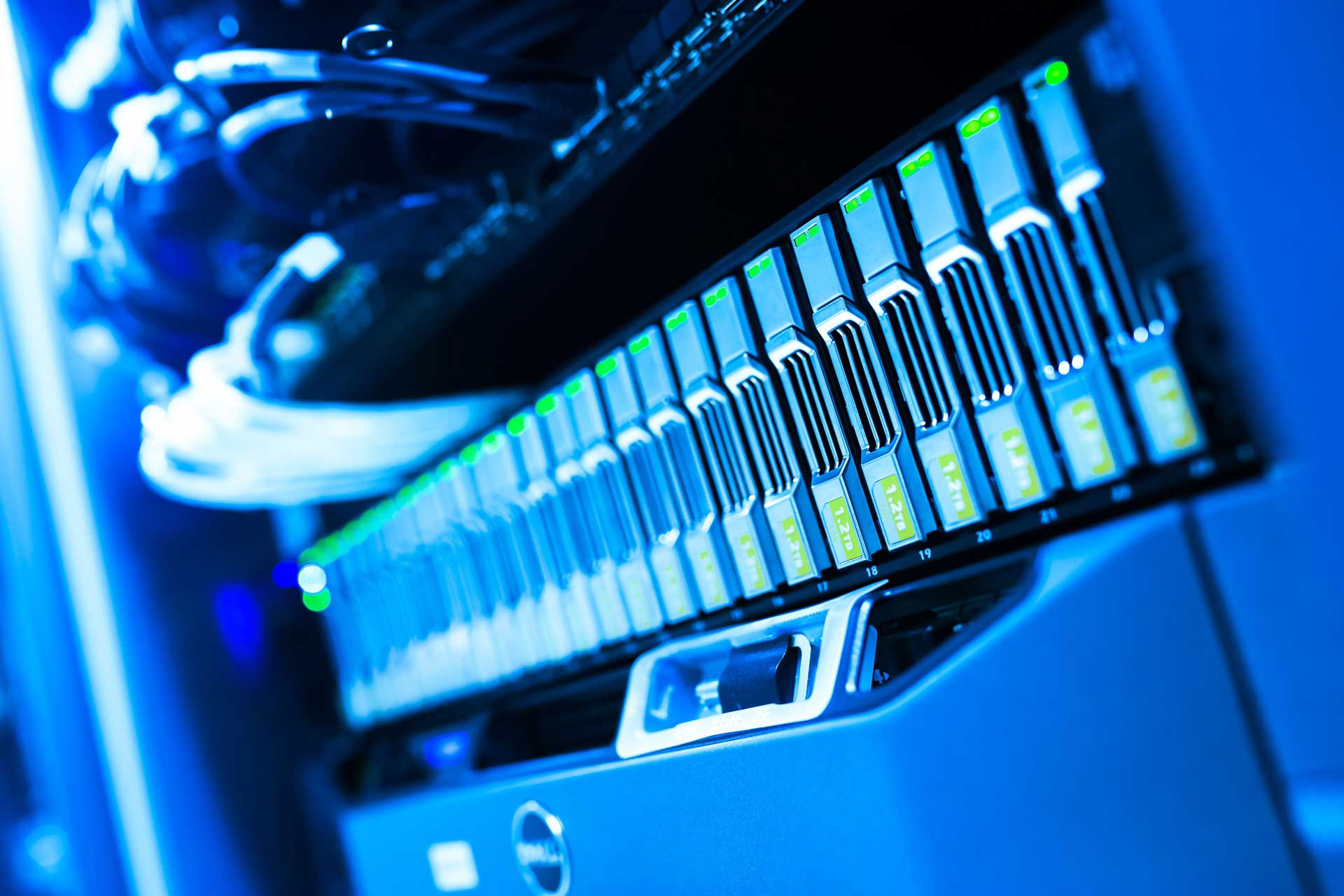 © panumas nikhomkhai (Pexels)
During London Climate Action Week, the UN secretary general launched a campaign against the AI giants. The aim: to publish the actual energy bill for data centers.
The debate is intensifying over the energy consumption associated with the development of artificial intelligence. On the occasion of the London Climate Action Week, United Nations Secretary General Antonio Guterres called on technology sector leaders on Tuesday to demonstrate complete transparency regarding the environmental cost of their infrastructure.To provide a framework for this effort, the UN is officially launching an initiative to promote environmental transparency in AI. The aim is to encourage companies to measure and publish accurate data on the carbon footprint, water consumption, and land use of their activities.
Data centers consume almost as much as France
Behind the operation of large language models such as ChatGPT, Gemini, and Claude lies a particularly energy-intensive hardware infrastructure. According to a UN study published in early June, global data centers consumed 448 terawatt-hours (TWh) of electricity in 2025. For comparison, this overall consumption is just behind that of France, which amounted to 468 TWh over the same period.
Beyond electricity, the management of natural resources is a central issue. Antonio Guterres reminded us that AI requires significant water and land resources to ensure cooling and the siting of servers. UN projections indicate that, by the end of the decade, the volumes of water used to cool AI data centers could be equivalent to the basic needs of Africa’s 1.3 billion sub-Saharan inhabitants for one year. In response to these projections, the UN chief has called on industry to commit to powering all its facilities entirely with renewable energy by 2030.
Industrial expansion disconnected from climate reality
This political stance comes at a time of strong growth in the computing infrastructure sector. The race for processing power is driving companies to deploy computing facilities on an unprecedented scale. This is the case of SpaceX and xAI’s Colossus supercomputer, which generates substantial revenue by renting out its 110,000 to 220,000 Nvidia GPUs to players such as Anthropic and Google.
This strong demand for infrastructure is also placing pressure on the entire supply chain for electronic components. The concentration of DRAM production in AI-dedicated servers is creating tensions in the consumer market.
The obligation of transparency in the face of industrial secrecy
For the UN, the technology sector must now standardize its impact indicators. While recognizing that AI is a valuable tool for optimizing climate solutions, particularly through the predictive management of energy grids, Antonio Guterres believes that local populations must be better informed. “Communities are often left in the dark about the environmental impact of the infrastructure being developed around them”, he stressed during his address in London.
By integrating this technological component into an overall action plan, which also targets methane emissions and fossil fuel taxation, the UN aims to establish a stricter regulatory framework. It remains to be seen whether the dominant players in the AI market will agree to lift the veil of industrial secrecy surrounding the energy efficiency of their models in order to comply with these disclosure requirements.
👉🏻 Follow the latest tech news in real time: add 01net to your sources on Google, and subscribe to our WhatsApp channel.
Source: BFM Tech








- Google Play Store
- 4K Video Downloader Plus
- VLC Media Player
- Adobe Reader
- uTorrent
- WinRAR
- Xender
- Google Chrome
- CCleaner
- Mozilla Firefox
- Avast Free
- ChatGPT
- Microsoft 365
- Opera One
- Avast One










Download
- Google Play Store
- 4K Video Downloader Plus
- VLC Media Player
- Adobe Reader
- uTorrent
- WinRAR
- Xender
- Google Chrome
- CCleaner
- Mozilla Firefox
- Avast Free
- ChatGPT
- Microsoft 365
- Opera One
- Avast One


