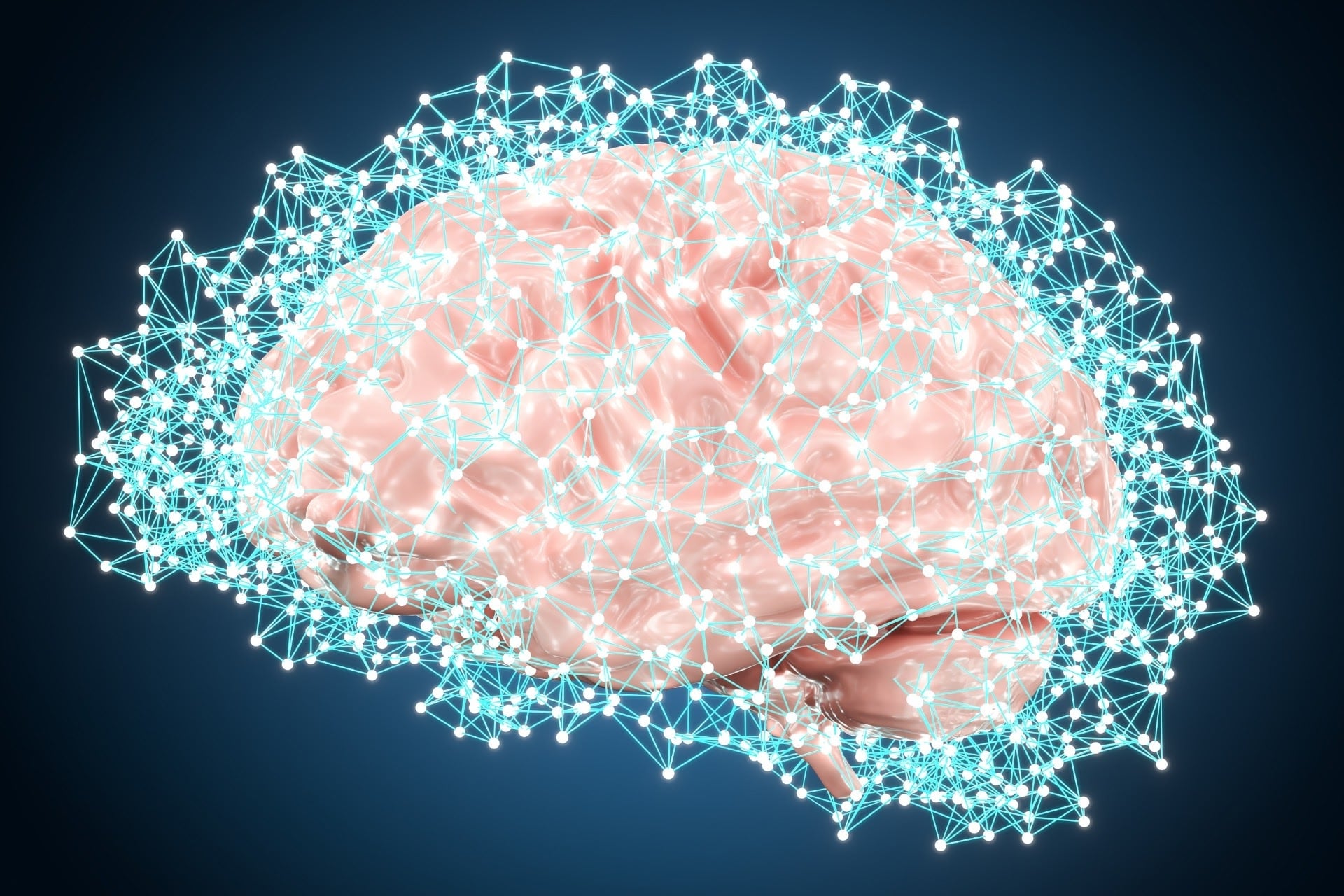
 © 01net/Canva
GPT-5.5 would have an IQ of 136, Opus 4.7 of 132. A new site converts AI benchmarks into IQ scores. The problem is that the result measures very little.
Paste an IQ score on an AI model, it's the kind of idea that immediately sparks reactions: fascinating on paper, suspect as soon as you scratch the surface. A new site named AI IQ has taken on this task by compiling the results of 12 public benchmarks (ARC-AGI, FrontierMath, GPQA, among others) and converting them into an estimated IQ score spread across five dimensions: abstraction, mathematical reasoning, programming, critical reasoning, and agent reasoning. The site even offers an emotional intelligence score derived from EQ-Bench 3. In May 2026, GPT-5.5 from OpenAI tops the list with an estimated IQ of 136, followed by Opus 4.7 from Anthropic at 132, Gemini 3.1 Pro from Google at 131, and GPT-5.4 at 131. On a separate scale, based on the Mensa Norway test, Grok-4.20 Expert Mode and GPT-5.4 Pro are tied at 145.
Why does IQ not measure the intelligence of an AI
The most striking graph on the site shows the temporal evolution. In October 2023, GPT-4-turbo displayed an estimated IQ of around 75. Three years later, the top models flirt with 136. Sixty points of progress in two and a half years, that's impressive. Except that the compression at the top tells a different story: the five best models are separated by only 7 points (129 to 136 on AI IQ, 141 to 145 on Mensa).
The fundamental problem is not in the numbers, but in what is claimed to be measured. Researcher Alan D. Thompson, who has worked on cognitive evaluation of AI since 2021 and documented in detail the limitations of the exercise, identifies four pitfalls that the AI IQ site does not resolve. First, IQ tests were designed for human cognition, and their scales become fuzzy as soon as they are applied to non-human intelligence. Next, these tests are normed on average human populations, which makes the interpretation of extreme scores (above about 155) statistically unreliable, even among humans. Third hurdle: artificial intelligence is fundamentally different from human intelligence (a model can solve a problem in advanced mathematics but fail at a common-sense task that a six-year-old child can master). Last point: AI IQ does not take tests. The site compiles existing benchmark results and translates them into IQ scores via a proprietary algorithm, which is like converting kilometers into degrees Celsius: the operation is technically feasible, but the result does not mean what the unit promises.
The article from VentureBeat that popularized the site acknowledges this itself: each provider publishes its own benchmarks, often selected to highlight its strengths, creating a "Tower of Babel where no one measures the same thing in the same way." And the most demanding benchmarks (ARC-AGI-2, FrontierMath Tier 4, Humanity's Last Exam) are already starting to saturate, which means that the measurement ceiling is approaching faster than the capacity ceiling.
Ranking AI on the human IQ scale has the merit of making progress tangible to the general public. But confusing a score derived from benchmarks with a measure of intelligence is like taking the thermometer for the fever.
👉🏻 Follow real-time tech news: add 01net to your Google sources, and subscribe to our WhatsApp channel.
Source: AI IQ







- Google Play Store
- 4K Video Downloader Plus
- VLC Media Player
- Adobe Reader
- uTorrent
- WinRAR
- Xender
- Google Chrome
- CCleaner
- Mozilla Firefox
- Free Avast
- ChatGPT
- Microsoft 365
- Opera One
- Avast One









Download
- Google Play Store
- 4K Video Downloader Plus
- VLC Media Player
- Adobe Reader
- uTorrent
- WinRAR
- Xender
- Google Chrome
- CCleaner
- Mozilla Firefox
- Avast Gratuit
- ChatGPT
- Microsoft 365
- Opera One
- Avast One




