Zhixingdongxi (WeChat Official Account: zhidxcom)
Author | Cheng Qian
Editor | Xinyuan
According to a report by Zhixingdongxi on November 12th, at the Baidu World Conference 2026, Baidu announced a series of updates to its basic models, applications, and cloud infrastructure.
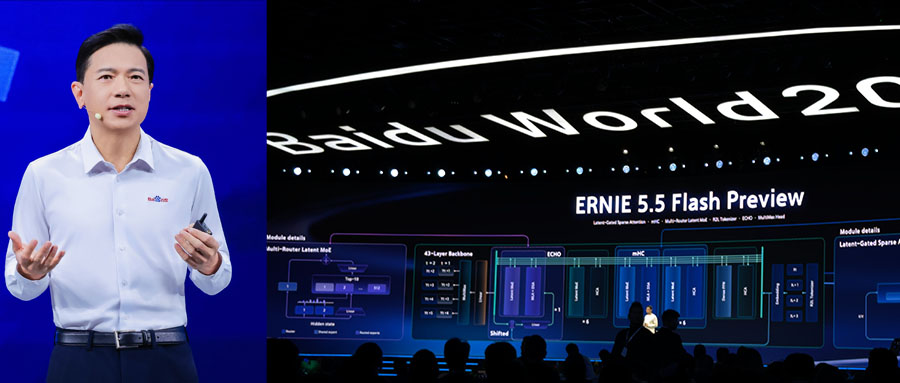
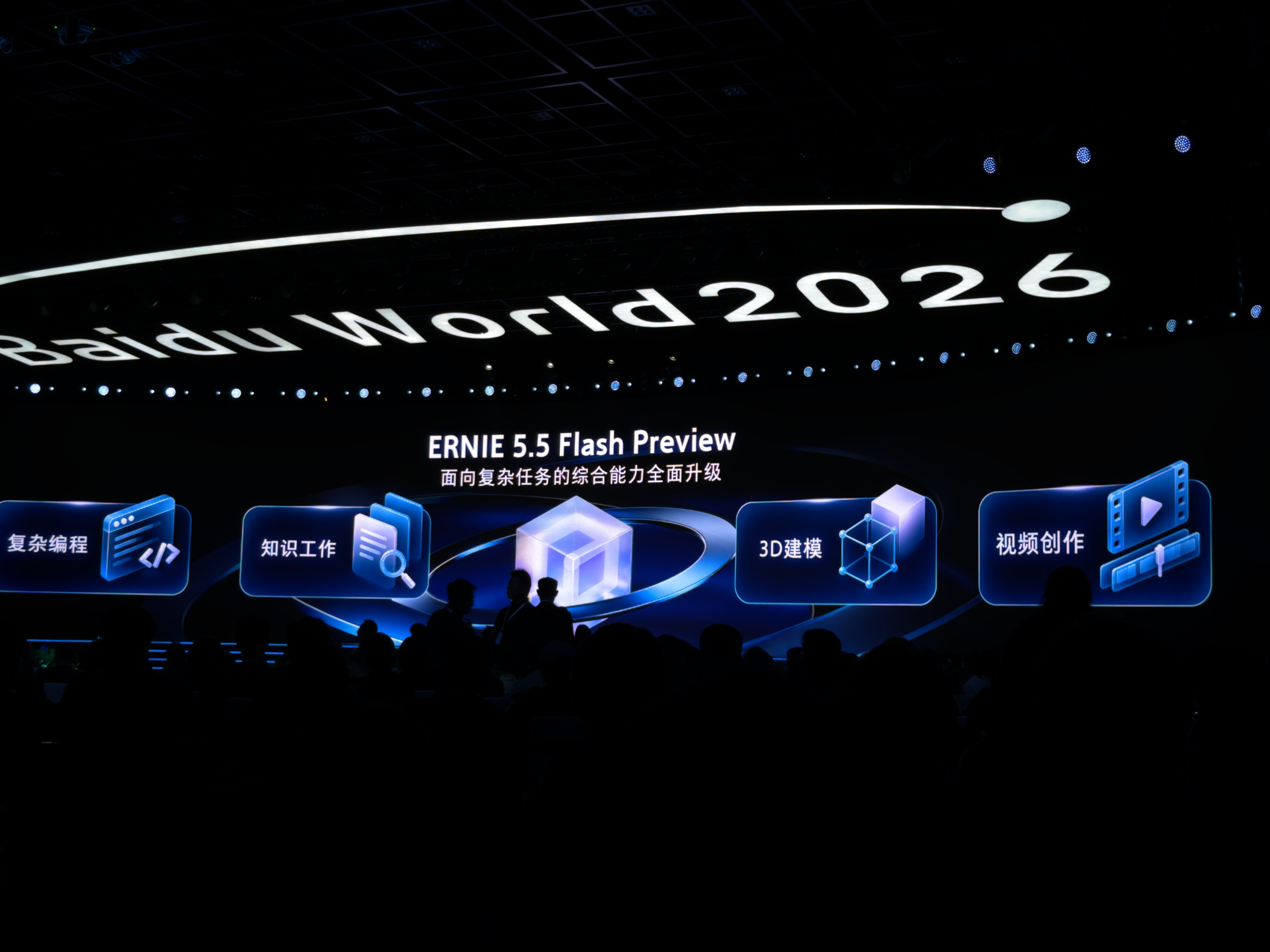
In the area of basic models, Baidu officially released the 280 billion-parameter ERNIE 5.5 Flash Preview and introduced two new Wenxin application models. Sun Tianxiang, who joined Baidu in July of this year and is now in charge of the Basic Model Unit (BMU), made his public debut. He mentioned that the newly released ERNIE 5.5 Flash Preview focuses on optimizing capabilities in programming, knowledge work, and design creation.
Baidu’s applications such as Baidu Zhazi, Baidu Kuku, Baidu Famou, and Baidu Yijing have all been upgraded. Baidu Yijing’s digital human platform created a video featuring a digital character named Xijiajia having a conversation with Robin Li. According to the product manager of Baidu Yijing, Robin Li in the video is both a digital and a real person.
In addition, Baidu also launched the “Dà Mó Xíng Jiāo Yì” (Large Model Exchange), which provides access to large models for developers to use. The platform has seen over 50 million daily calls in its first month, with more than 700 billion tokens being used daily.
In terms of cloud infrastructure, Baidu released the Baidu Tianchi 1024 card super-node, which will be launched in the market next year; the Kunlun Chip roadmap has been updated, with chips based on the M architecture to be released this year and next year, and chips based on the N architecture to be released in 2028.
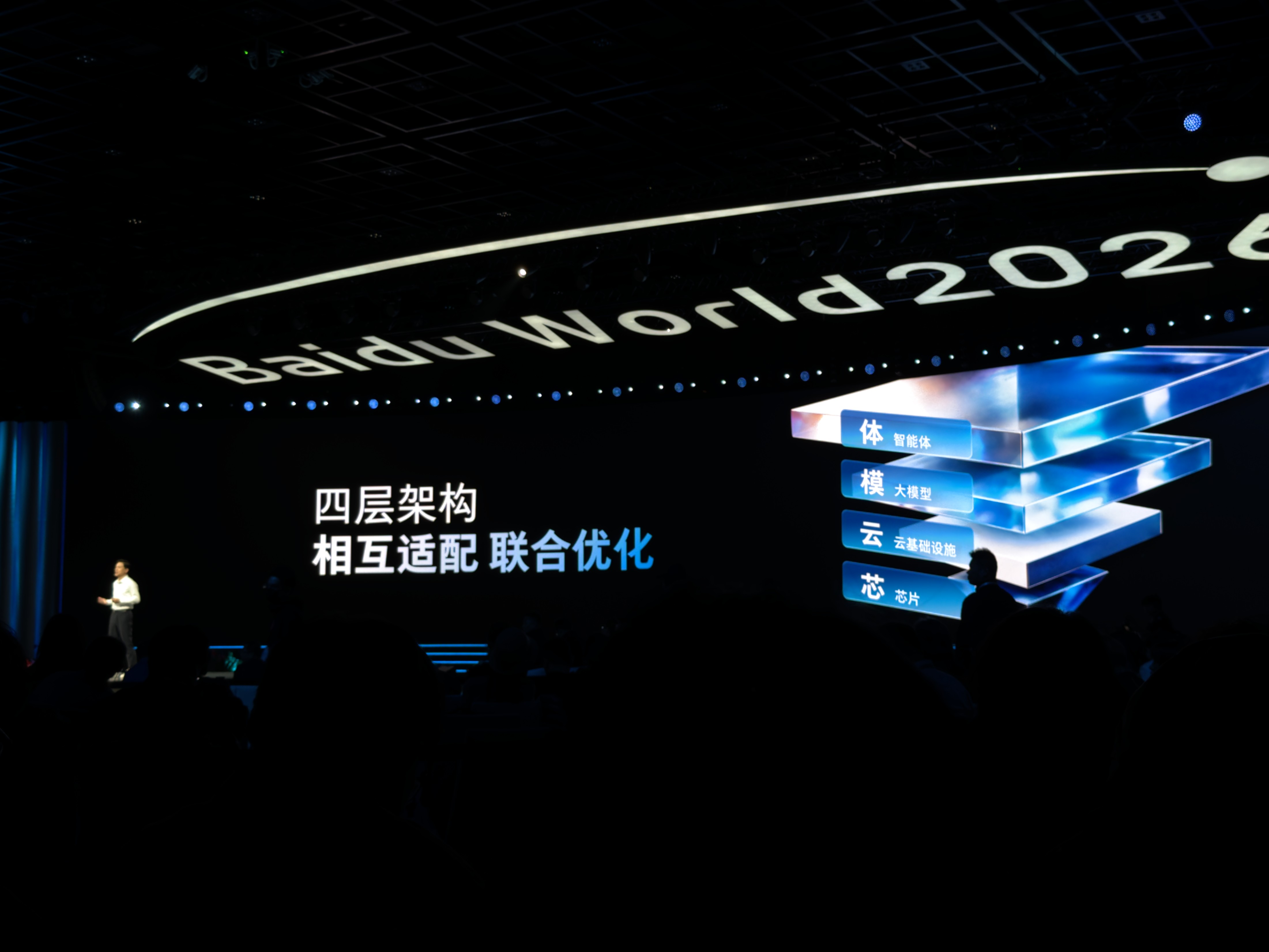
Robin Li, founder, chairman, and CEO of Baidu, stated that the decade from 2016 to 2026 was the time when artificial intelligence technology formed its own independent stack. Baidu’s “Core-Cloud-Model” four-layer architecture was gradually developed during this period.
There are now many active intelligent agents within Baidu; the number of these agents has increased from 5,000 to 37,000, a sixfold increase, while the number of effective work tasks has risen from 84,000 per week to over 1 million per week, a elevenfold increase. There are also more than 4,300 Work Spaces and over 20,000 organizational Skills.
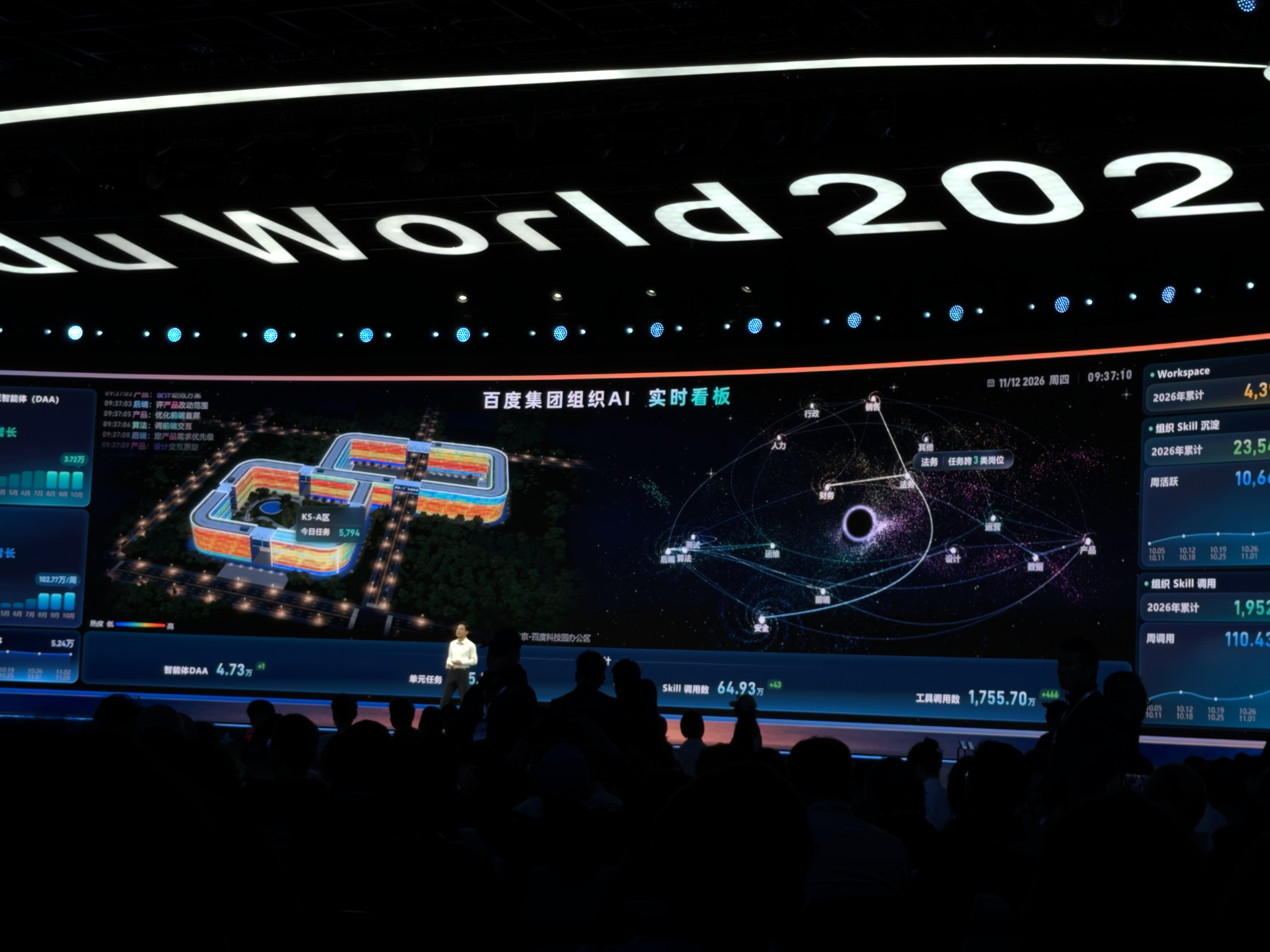
Robin Li believes that the next phase of AI is the intelligent organization, which will be the new “factory” of the AI era. Companies need to integrate intelligent agents and digital employees into their operations.
Based on this, he proposed three principles for organizational evolution: first, break down job boundaries to unleash organizational vitality; second, consolidate tacit knowledge to build organizational intelligence; third, design closed-loop processes to drive organizational evolution. He also mentioned that jobs will not disappear but will evolve, and in the future, they will roughly fall into two categories: those who create the future (builders) and those who connect people with the world (sellers). Builders are responsible for creating new things, while sellers are responsible for communication and connection between people.
Meanwhile, Yang Yuanqing, chairman and CEO of Lenovo, had a conversation with Robin Li on-site. Yang Yuanqing stated that 2024 marks the beginning of Lenovo’s fifth era, with AI transforming all of Lenovo’s businesses.
Regarding intelligent organizations, Yang Yuanqing believes that companies need to have a comprehensive plan, clearly defining what can and cannot be done. He also mentioned that when new technologies emerge, it’s important to encourage experimentation. In discussions with CIOs from the world’s top 500 companies, he found that they generally believe that initial investments in revolutionary technologies should not be overly focused on cost-effectiveness.
A person from the post-95s generation, responsible for basic models, introduced the latest Wenxin model with 280 billion parameters.
Sun Tianxiang, the head of Baidu’s Basic Model Unit (BMU), presented the latest progress on the Wenxin models.
The newly released ERNIE 5.5 Flash Preview has a total of 280 billion parameters and 14 billion activation parameters, supporting millions of contexts. Sun Tianxiang emphasized that this model has been optimized for programming, knowledge work, and design creation.
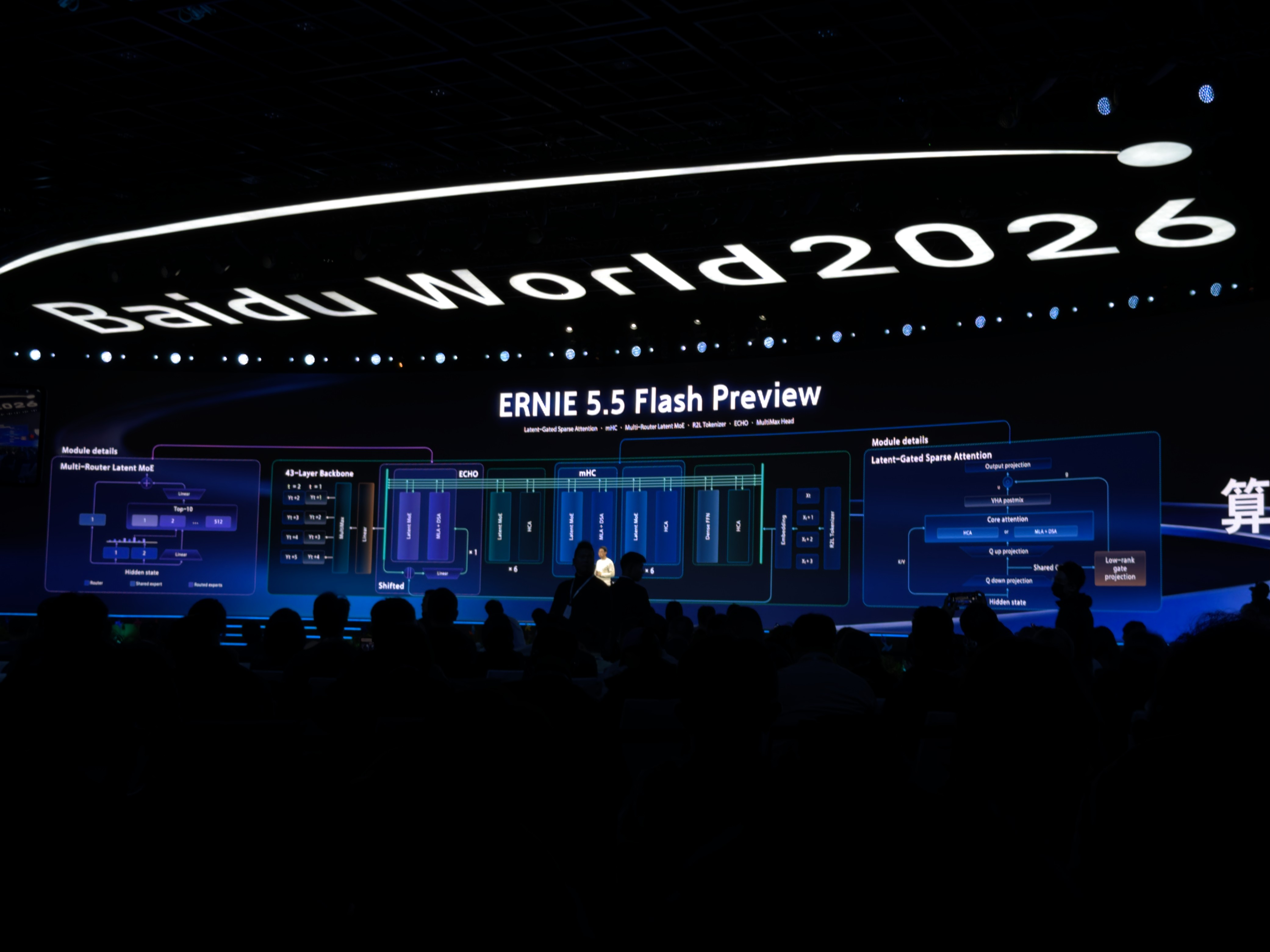
In terms of 3D modeling capabilities, ERNIE 5.5 Flash Preview was able to drive two agents to use the Blender Python API to create an airport and an airplane separately.

For the “Pelican Riding a Bicycle” case, ERNIE 5.5 Flash Preview used Python to create a 116-second 2D animated short film from scratch. A white pelican rides a bicycle, traveling from the Sahara rock paintings from 4000 BC all the way to the code editors of the modern era, passing through 20 different artistic styles.

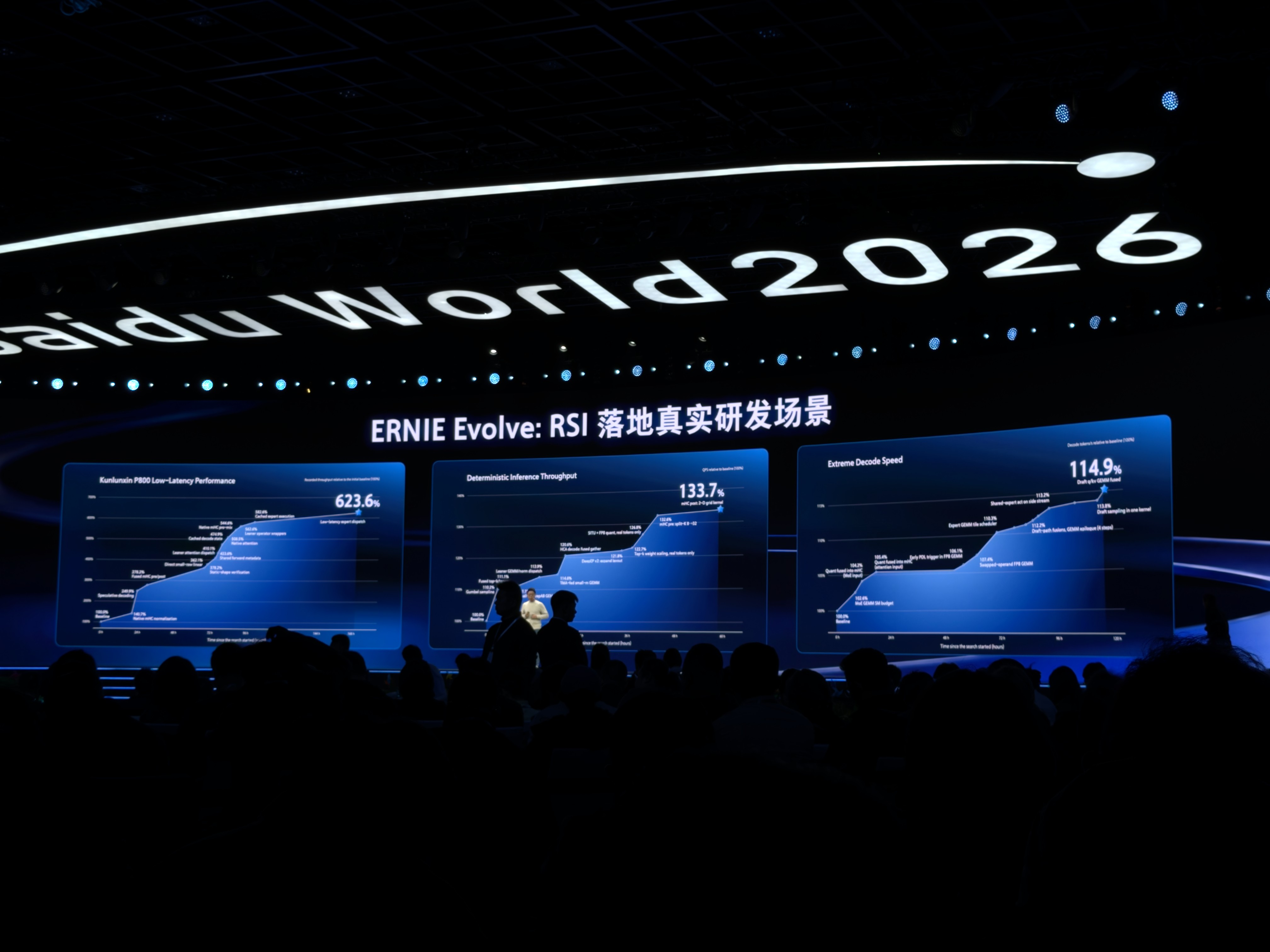
On November 10th, Baidu released the automatic research system RENIE Evolve, bringing RSI (Research System for Intelligent Engagement) into real-world research and development scenarios.
In terms of optimizing the throughput of deterministic reasoning, ERNIE Evolve conducted explorations in three areas over three days: deterministic sampling, deterministic switches, and parallel operator strategies, resulting in a 133.7% increase in throughput compared to the baseline; in optimizing extreme decoding speeds, ERNIE Evolve explored seven research directions, ultimately achieving a 114.9% improvement in reasoning performance compared to the baseline.
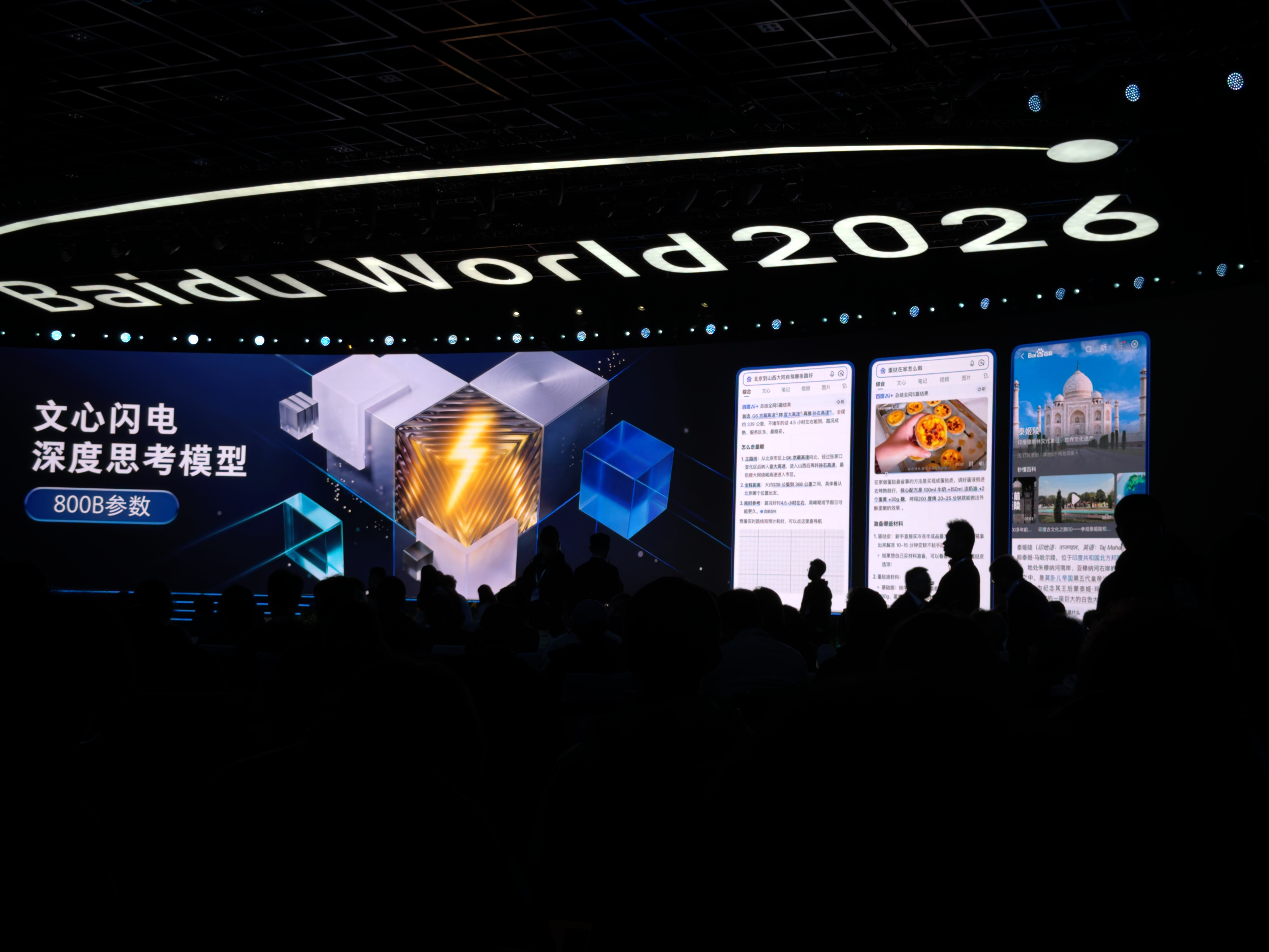
Secondly, two major Wenxin (Baidu’s artificial intelligence) application models were released: the Wenxin Lightning Deep Thinking Model and the Wenxin One-Mirror Microexpression Model, both with 80 billion parameters.
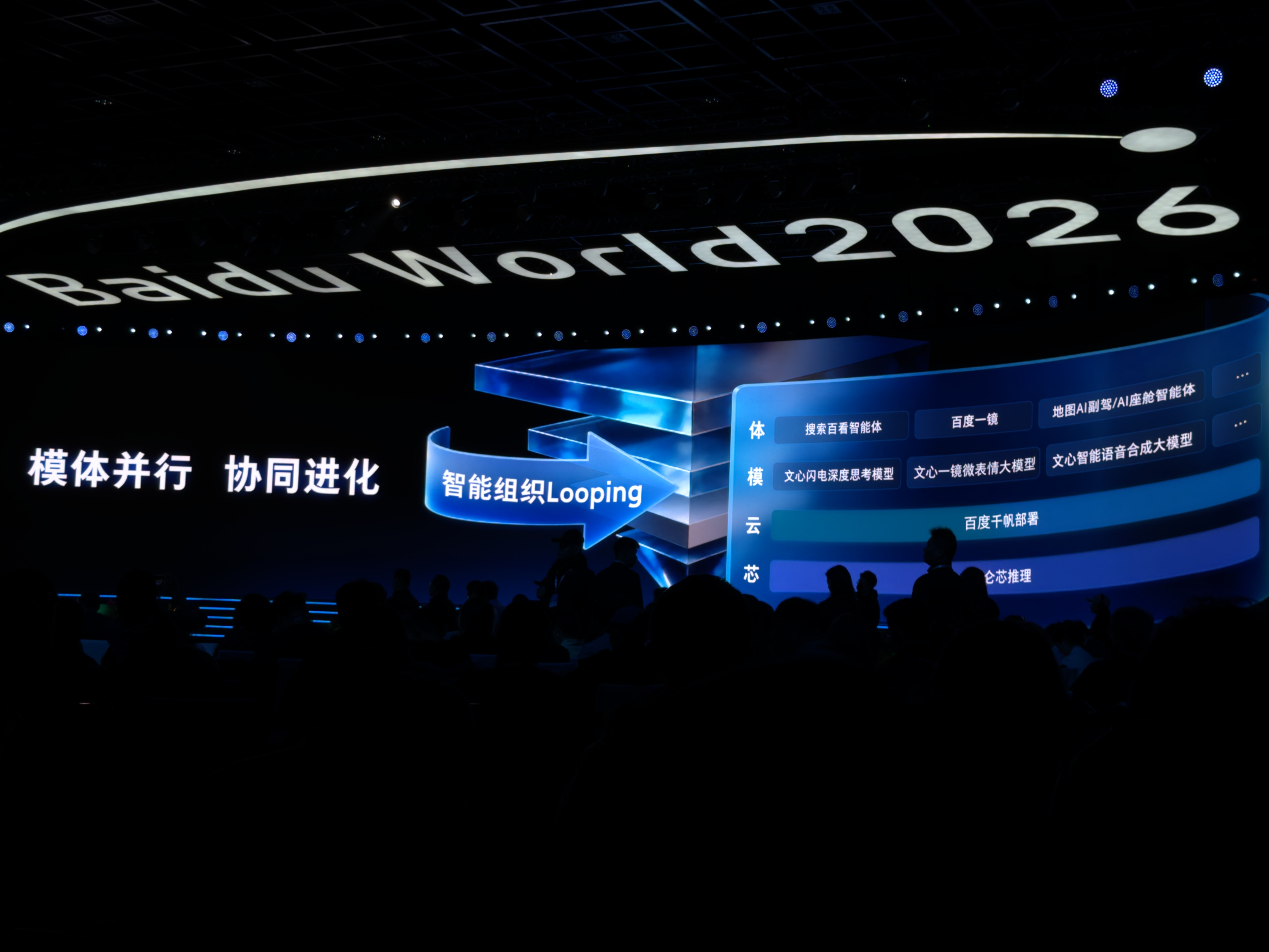
Li Yanhong stated that the large-scale AI model industry is developing along two paths: one is to push for breakthroughs in intelligence, raising the upper limits of what AI can achieve; the other is to establish a solid foundation in practical applications. Baidu will continue to invest in developing the next generation of cutting-edge foundational AI models and adhere to the concept of “parallel modeling and collaborative evolution,” optimizing the models for specific use cases.
Baidu officially released two Wenxin application models: the Wenxin Lightning Deep Thinking Model and the Wenxin One-Mirror Microexpression Model, which were simultaneously made available on the Baidu Smart Cloud Qianfan platform, with API services open to enterprise customers and partners.
The Wenxin Lightning Deep Thinking Model has 800 billion parameters and can understand complex requirements and utilize various tools; future versions will support text, visual, and voice inputs. This model was initially developed to serve Baidu’s search functions.
Behind this model, Baidu has developed two innovative technologies: the BSA (Sparse Attention Technology) based on feedback-based KV compression and the Looping model for different speeds of processing.
Using the BSA attention mechanism, this model achieves an ROI (Return on Investment) that is 50% higher than similar chips on the Kunlun chip platform, while reducing the cost of the model’s inference engine by 30%.
The second application model is the Wenxin One-Mirror Microexpression Model, which uses a unified modeling approach that integrates text, visual, and voice data to generate videos and drive high-quality audio.
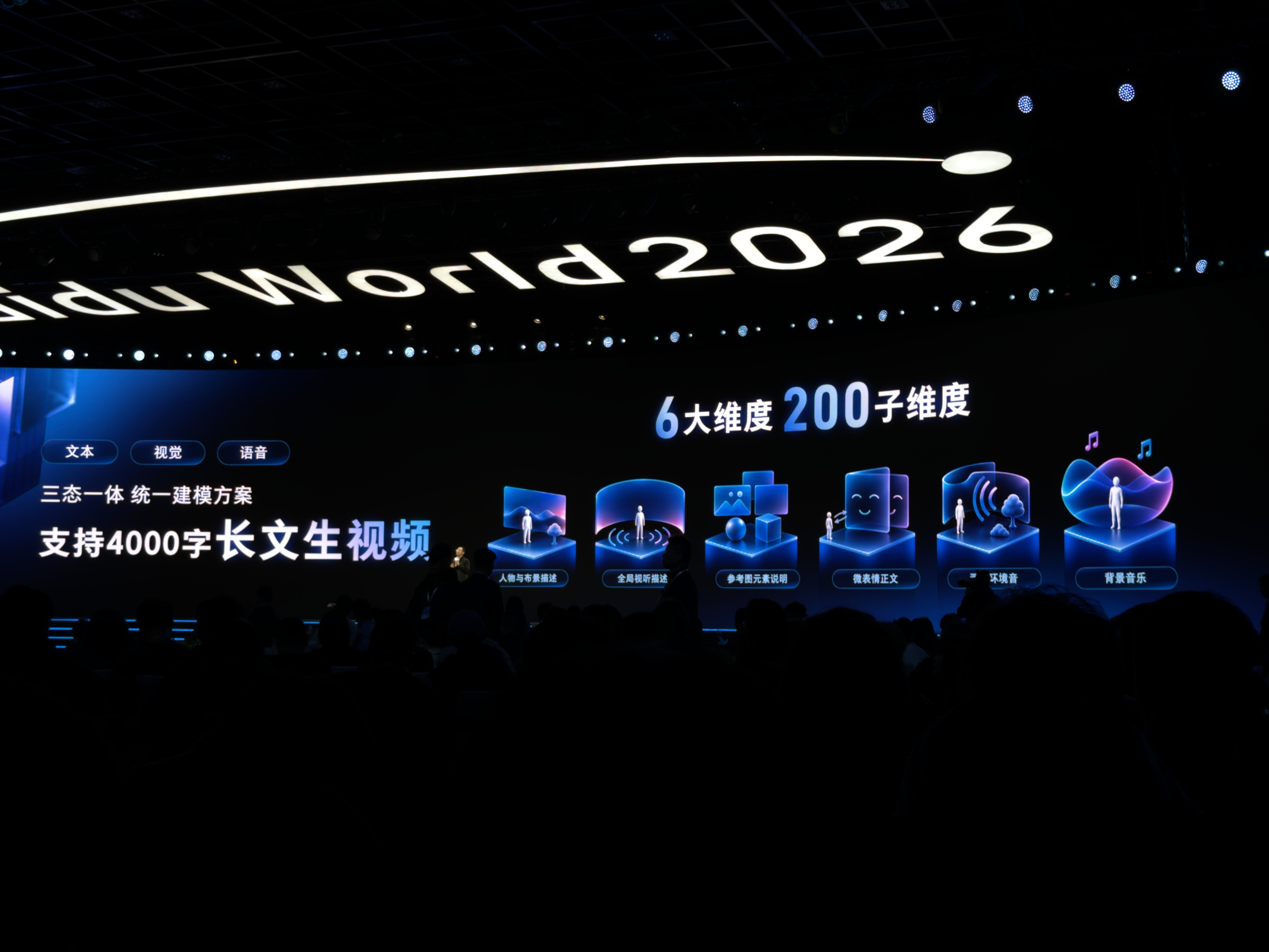
To make digital human voiceovers more natural, Baidu has developed chapter-level dubbing technology that generates the entire audio for a drama in one go.
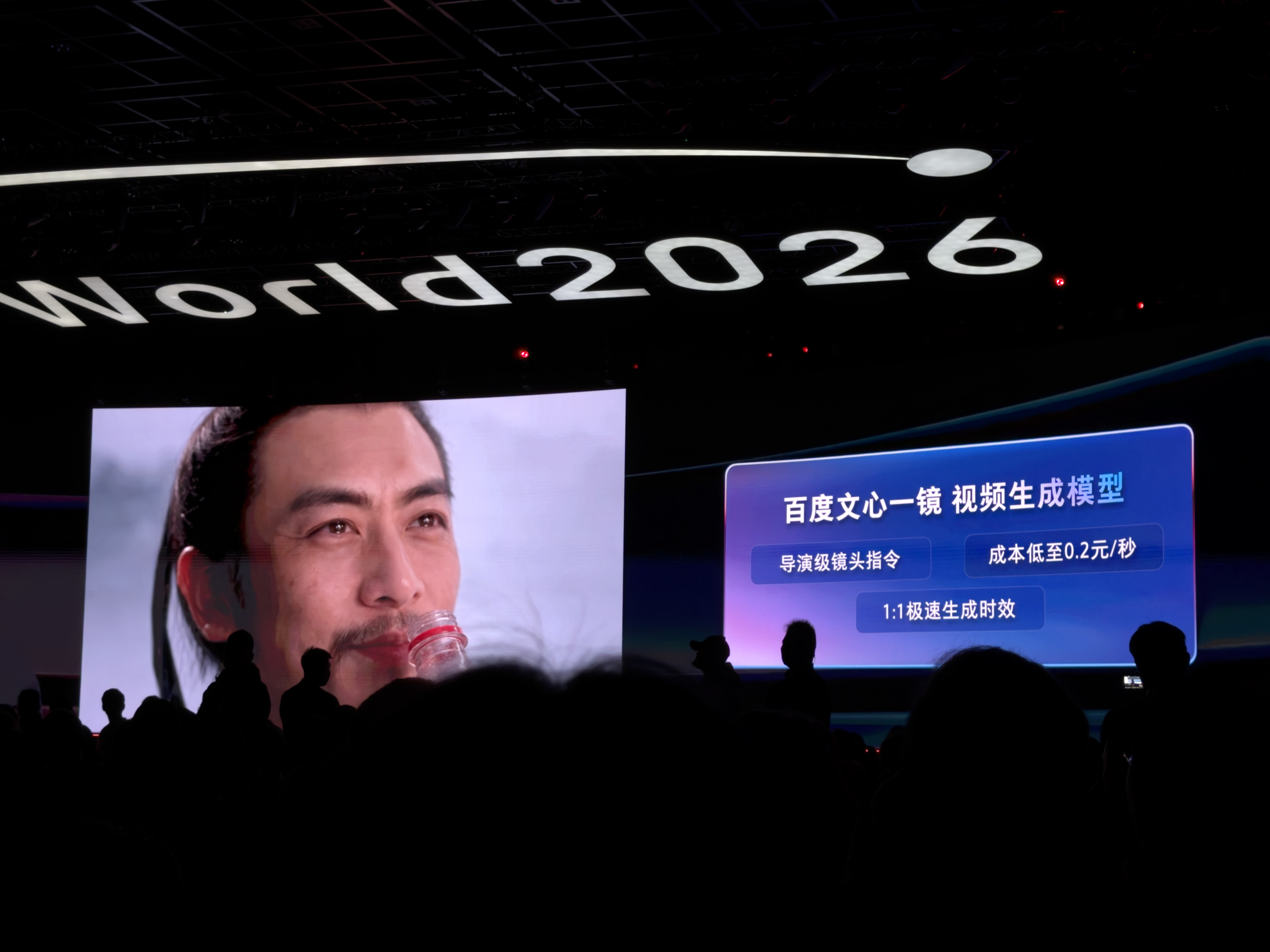
In terms of cost, this model is 50% cheaper than similar products in the industry and can generate videos in minutes. A 1-minute video can be produced in just one minute.
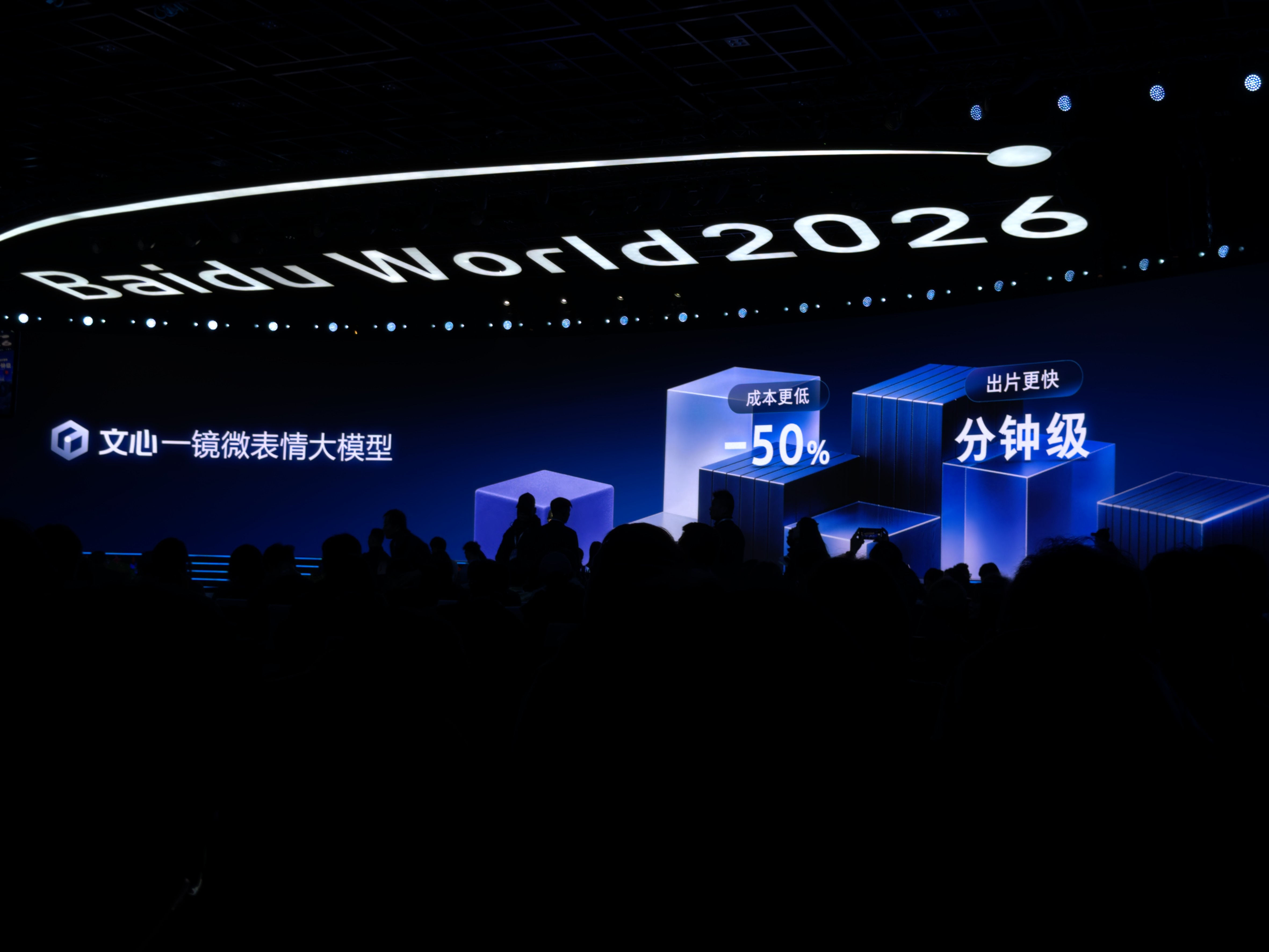
Thirdly, the general-purpose intelligent agent product portfolio has been comprehensively upgraded, reducing the cost of video generation to just 0.2 yuan per second.
Baidu’s products Baidu Dazi, Baidu Kuku, Baidu Yijing, and Baidu Famo have all been upgraded.
Baidu Dazi is a general-purpose office intelligent agent. According to Baidu, the number of users of Baidu Dazi has seen explosive growth in the past quarter. Over the past six months, Baidu Dazi has been updated more than 100 times, with 90% of the code and over 50% of the promotional materials being generated by this agent.
The next step for Baidu Dazi is to move from improving individual office efficiency to enhancing organizational productivity.
Baidu Dazi serves as an entry point to Baidu’s intelligent ecosystem, enabling users to use it to generate digital human videos with Baidu Yijing and create content with Baidu Kuku.
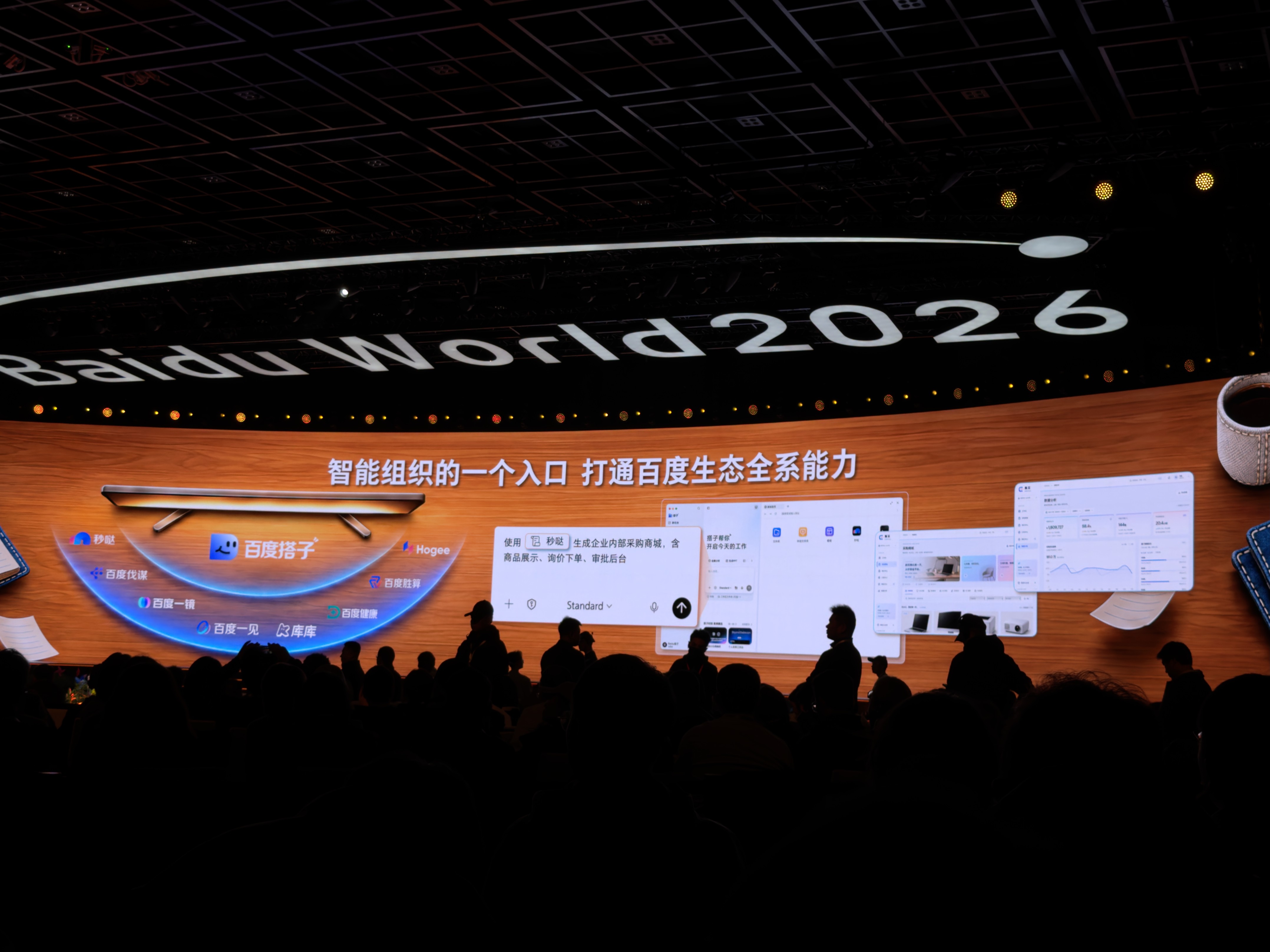
Baidu has further opened up the Baidu Dazi API, allowing it to be integrated with business systems such as DA (Data Analytics) and ERP (Enterprise Resource Planning).
In evaluations that covered nearly 100 cases across seven different work scenarios, the acceptance rate for complex, long-duration tasks involving multiple systems and over 15 steps increased from 67.6% to 88.2% with Baidu’s solutions.
The next product is Baidu’s Document and Creation Platform, KuKu, which can perform more complex tasks thanks to its collaborative evolution of data, architecture, and models. Leveraging Baidu Wenku and Baidu Netdisk, KuKu has access to 1.8 billion pieces of professional knowledge, 750 million documents in both Chinese and English, and 1.1 million experts.
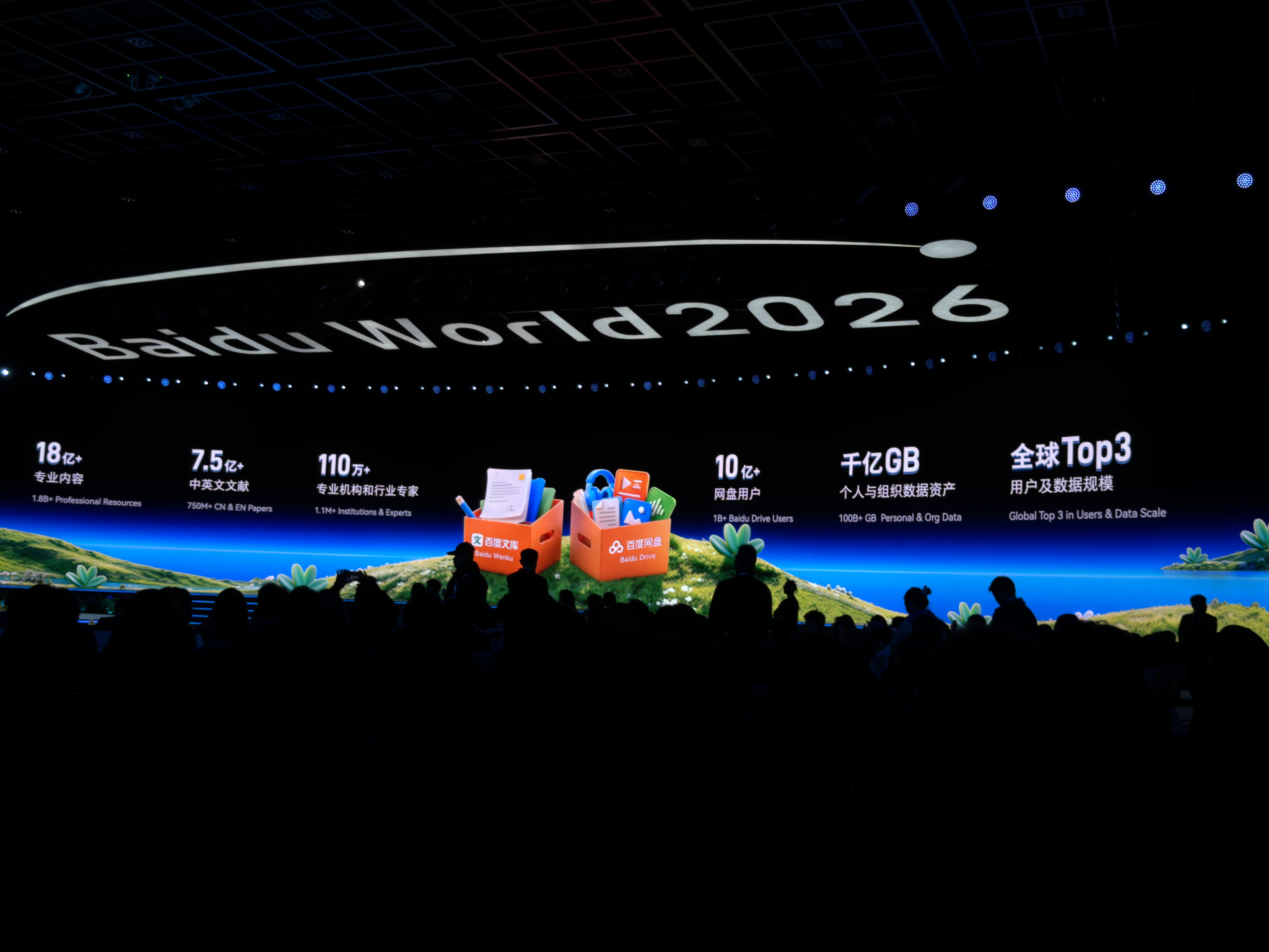
For example, KuKu can use business data from Netdisk to create reports that include referenced professional data and labeled data sources, along with rich charts.
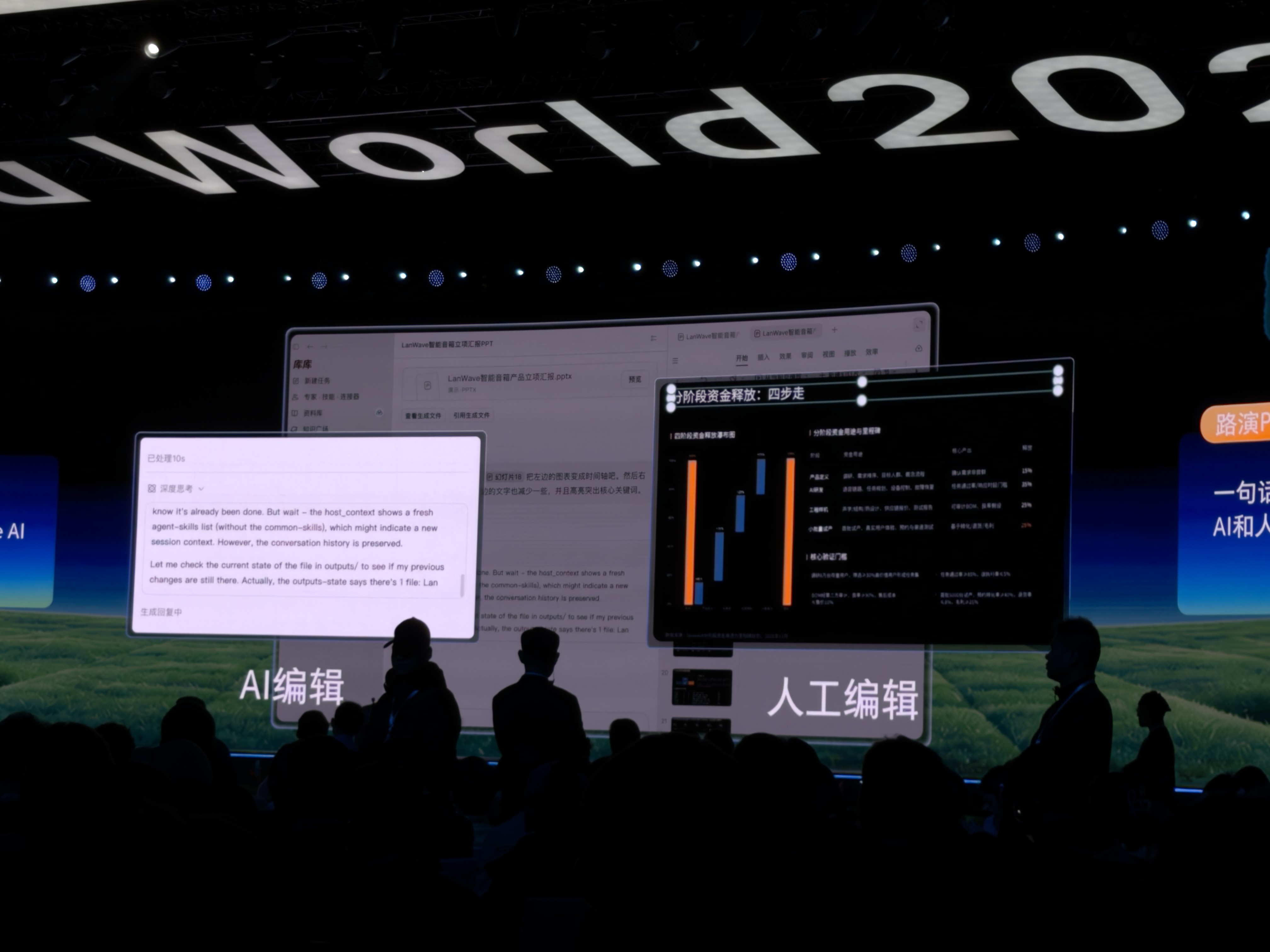
This tool can combine analysis results to create investment presentation PPTs, build professional product websites, and customize domain names. Its data is synchronized in real-time between mobile devices and computers, allowing users to control KuKu’s operations from their phones.
Baidu Yijing is a digital human platform. Based on Baidu’s advanced real-time interaction technology, the digital human can perform actions such as nodding and scratching its head in response to speech.
Today, digital human agents can assist businesses with their operations. The digital human actors in Baidu Yijing are equipped with the Wenxin Yijing digital human micro-expression model, capable of generating 8-9 different micro-expressions per second.
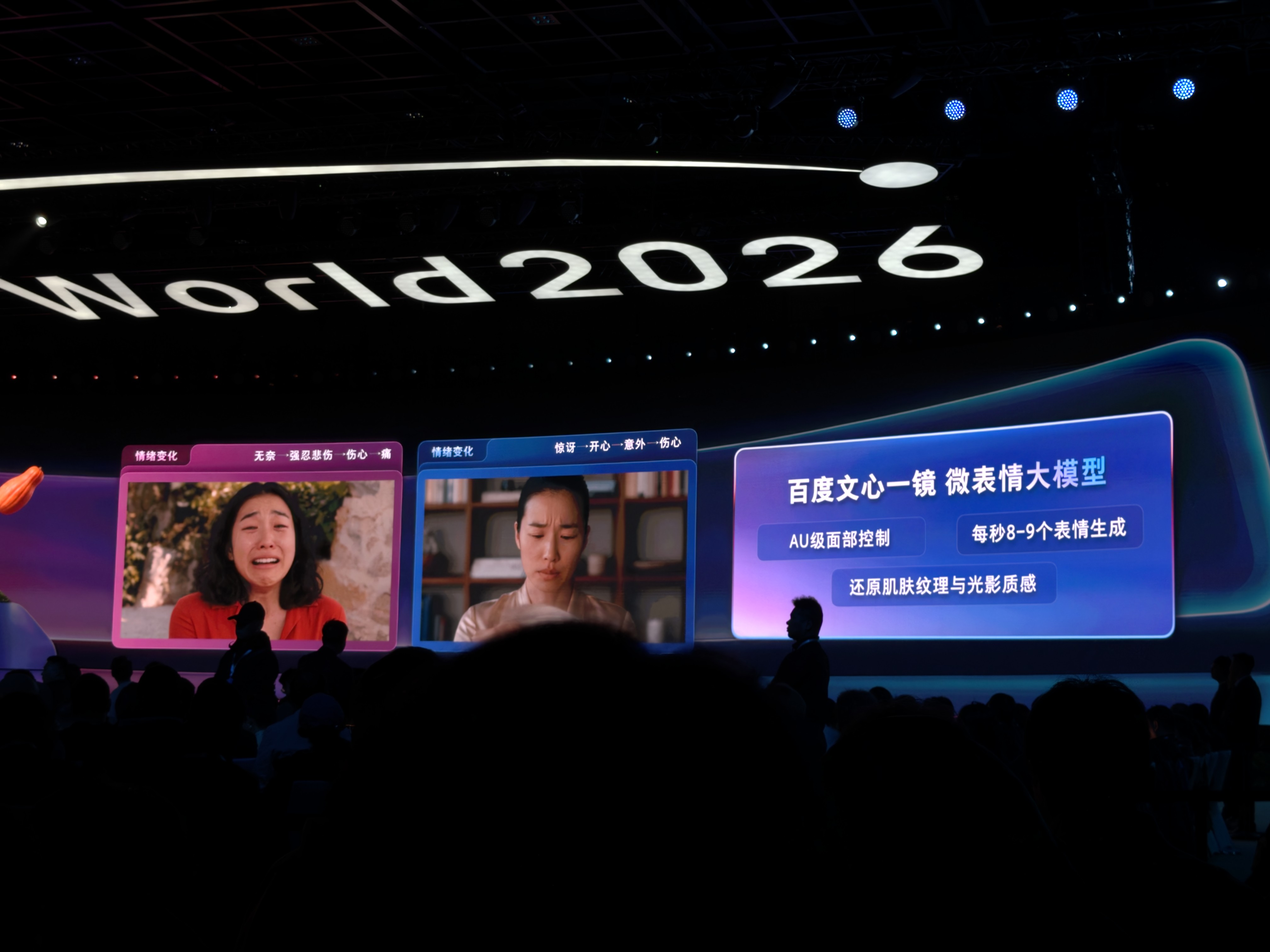
Baidu demonstrated a video featuring a digital human actor promoting Coca-Cola. This video was generated using Baidu Wenxin Yijing’s video generation model, with a cost of only 0.2 yuan per second.
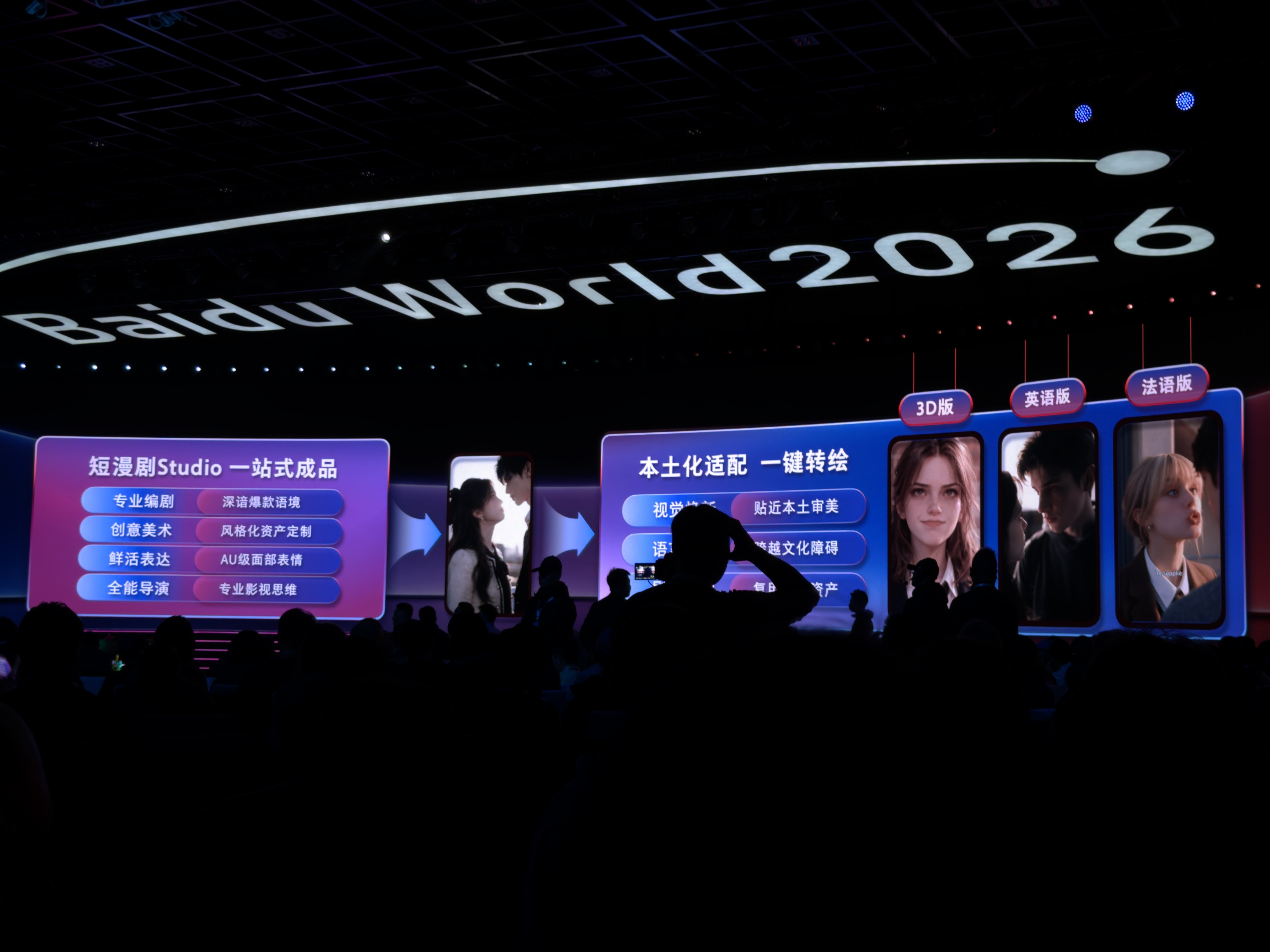
Baidu has also launched the Short Comic Studio, which provides a one-stop solution for creating comics from concept to final product, allowing users to intelligently design shots, camera movements, and performances based on the story and plot.
Baidu Famo is a core intelligent system designed for industrial use. Since its release, Baidu Famo has been adopted by over 60% of customers in 41 major domestic industries.
The tool has been upgraded to version 3.0. According to the product manager, Baidu Famo is responsible for delivering the ultimate business results for its customers, covering areas such as generation and operations, innovation and research and development, and business strategies.
A large renewable energy company, CGN, used Baidu Famo to reduce the project duration by two months and cut labor costs by 29%.
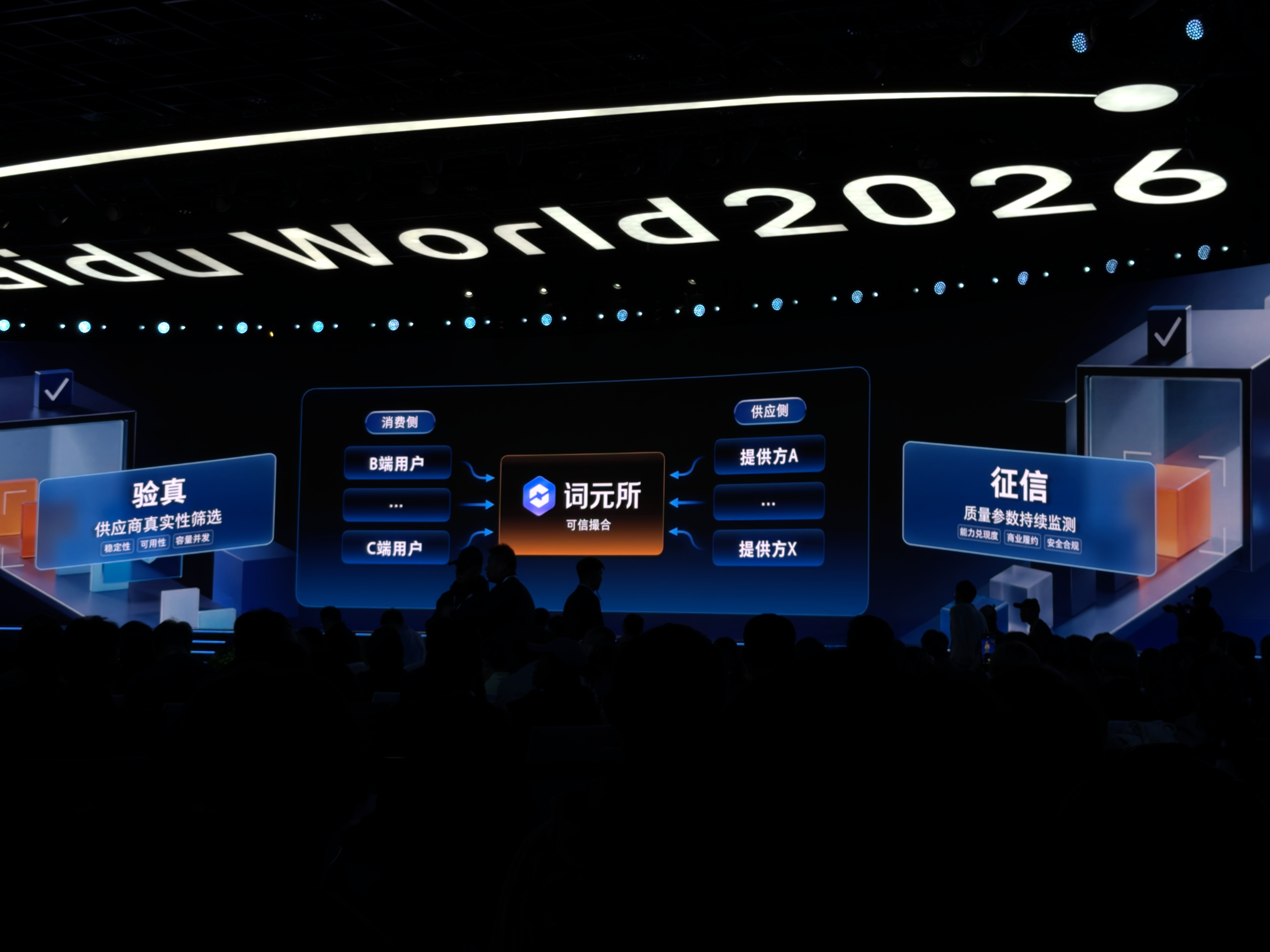
Baidu has also launched the Daming Model Exchange (Ciyuan Suo), which aims to gather high-quality models to help companies and individuals easily find reliable tokens.
Ciyuan Suo verifies models and continuously monitors their quality. This includes verifying the authenticity of suppliers, checking qualifications and origins, and testing model performance, usability, and capacity; credit assessment involves ongoing monitoring of model quality parameters, including service quality, commercial compliance, and safety.
Within one month of its launch, Ciyuan Suo had more than 100 suppliers, with daily calls exceeding 50 million and daily token usage reaching over 700 billion.
To date, over 30 Kunlun Core clusters have been delivered, and the Baidu Tianchi 1024-card super nodes have been released.
In terms of cloud infrastructure, compared to traditional cloud computing, intelligent clouds need to provide computing power, models, and a runtime environment, as well as connect to companies’ systems, tools, and data.
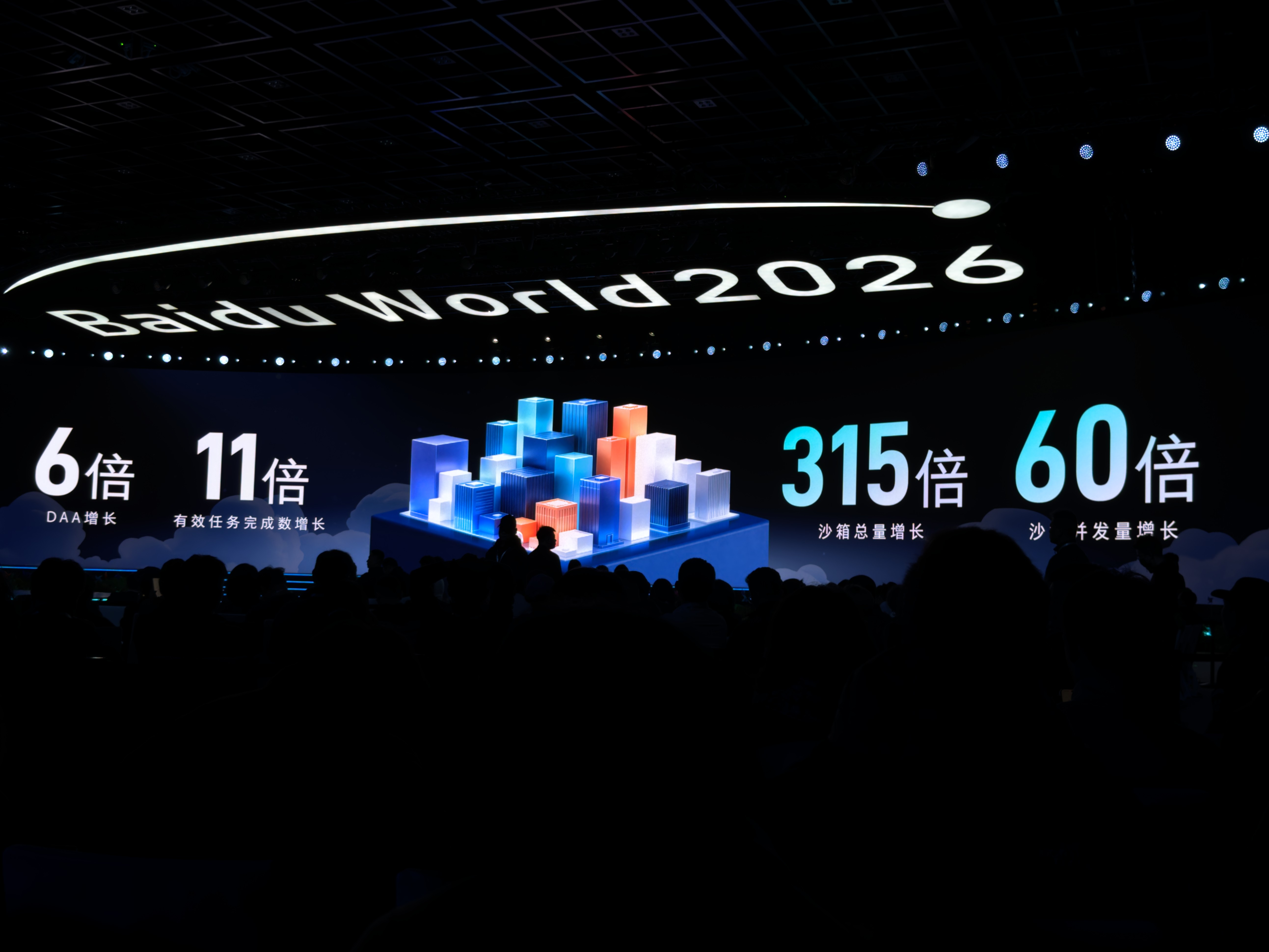
Shen Dou, Executive Vice President of Baidu Group and President of Baidu Smart Cloud, reported that in the past year, Baidu’s daily active users have increased by six times, and the number of effective tasks has increased by eleven times. Correspondingly, the total number of sandboxes in Baidu Smart Cloud has increased by 315 times, and the concurrent usage of sandboxes has increased by 60 times.
The intelligent systems used by companies can be categorized into general-purpose, specialized, and customized types. The first two types can be used directly by companies, which can also integrate their own data. For specific tasks in particular scenarios, customized intelligent systems are necessary to fully leverage a company’s strengths.
Baidu’s development platform allows companies to customize agents. By dynamically arranging sub-agents, real-time task decomposition and collaboration can be achieved, while retaining task context and accumulating experience. It also supports skill development and installation.
Lanhai Heishi conducts raw material purchases every week. They have customized agents for purchase execution, decision-making, and demand forecasting based on Baidu’s platform. In the past, this task required 10 people to work for 100 hours per week; now, it can be completed by just 2 people in less than an hour.
As more and more agents enter business environments, companies need an infrastructure that can support their safe, reliable, and scaled operation of these agents.
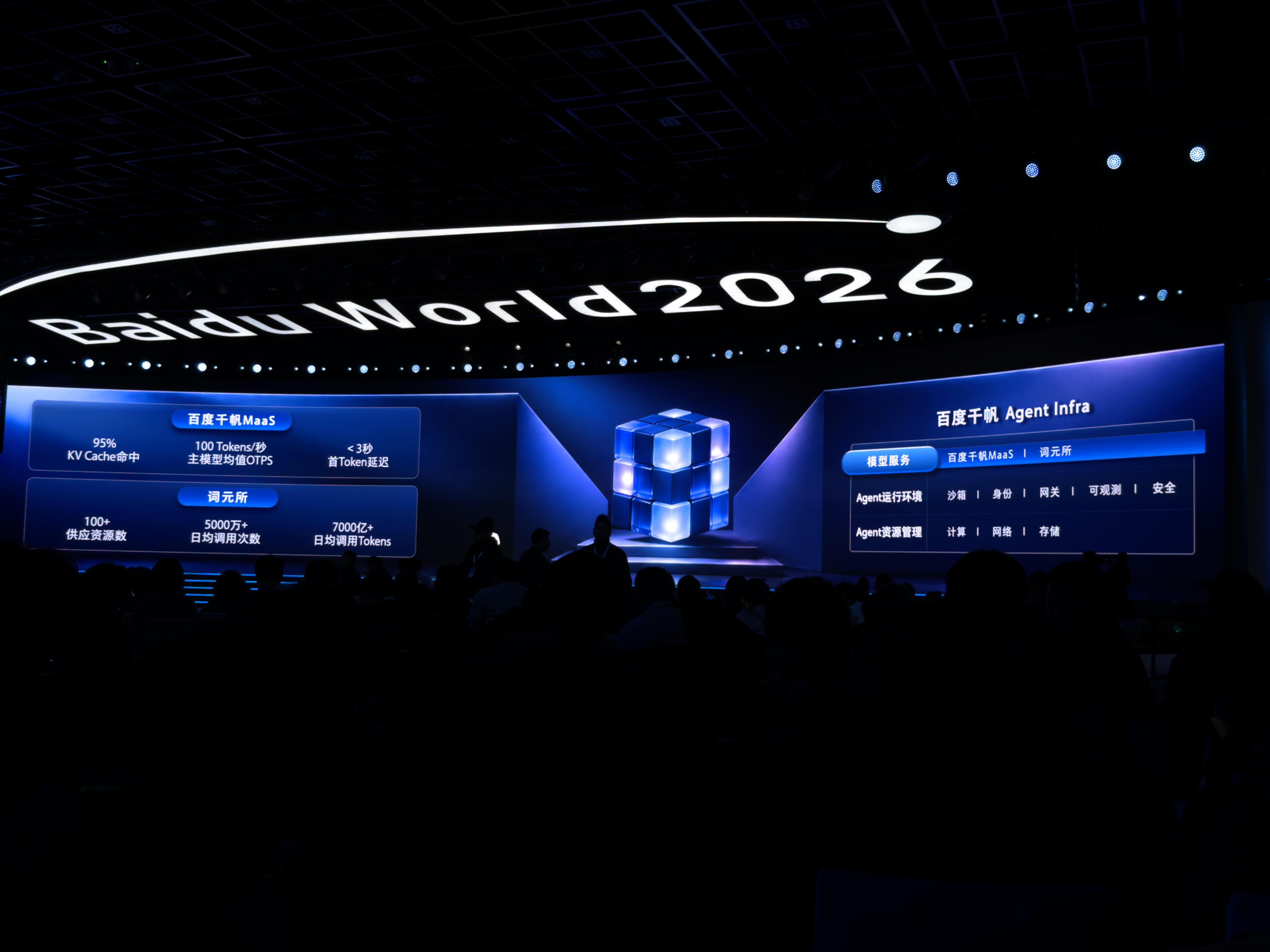
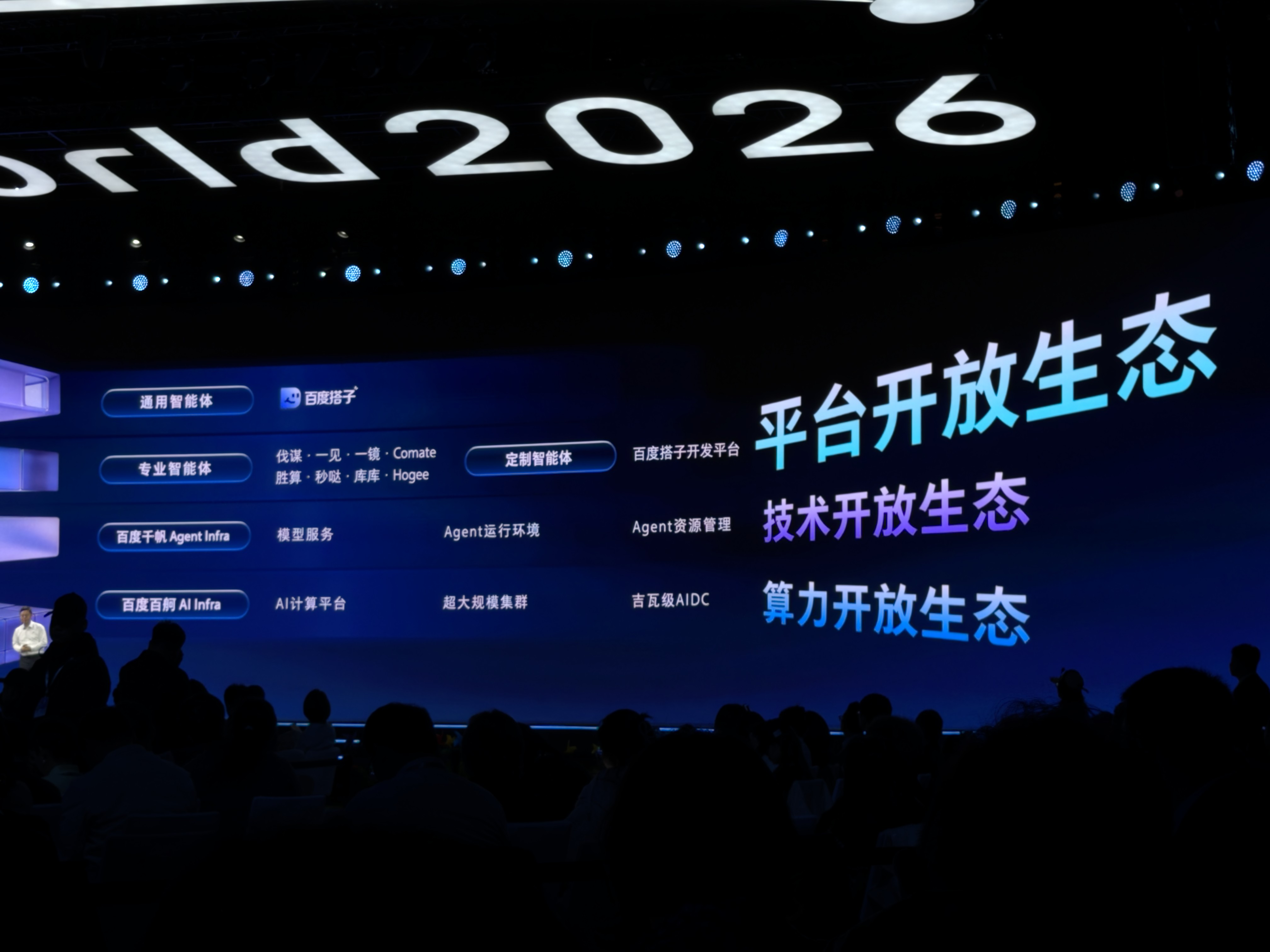
Baidu’s Intelligent Cloud’s Qianfan Agent Infra provides a stable and secure operating environment for agents, with the underlying Baidu Baige AI Infra offering computational support.
Qianfan Agent Infra offers two types of services: Qianfan MaaS and the aforementioned “Metryso”.
Considering the pulsed elasticity of agents, Agent Infra’s sandbox capability supports millions of concurrent sessions and hot startups within milliseconds.
Baidu Baige AI Infra has enhanced its reinforcement learning capabilities, enabling the deployment of over 2 million sandboxes in minutes. The model’s throughput reaches 52,000 tokens per second, with a training and deployment difference of less than one ten-thousandth.
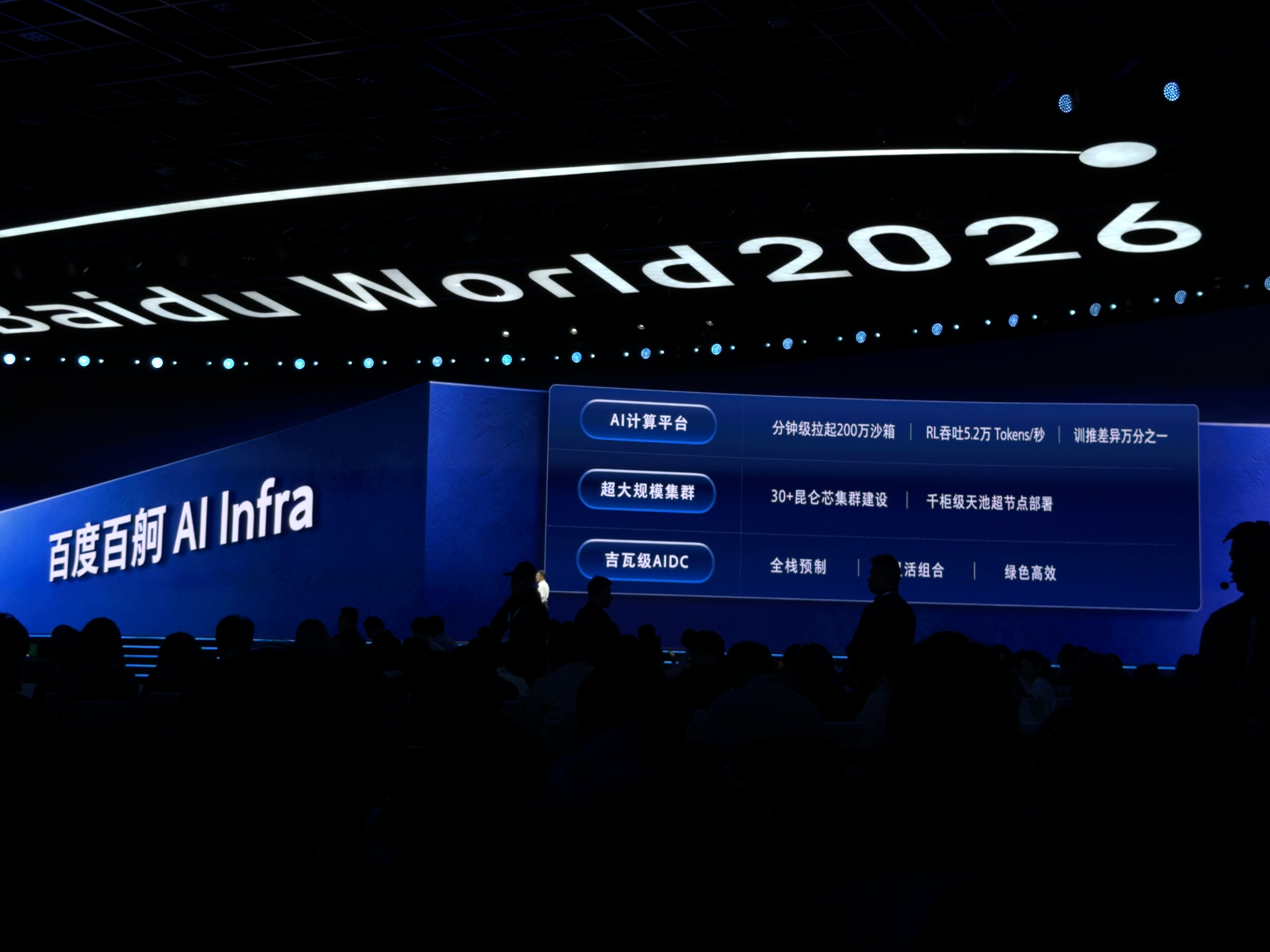
Baidu Baige’s capabilities rely on hardware support. Its new generation of Kunlun Chip M100 has been released, and the Tianchi super nodes based on this chip have been deployed across the country, delivering over 30 Kunlun chip clusters to customers.
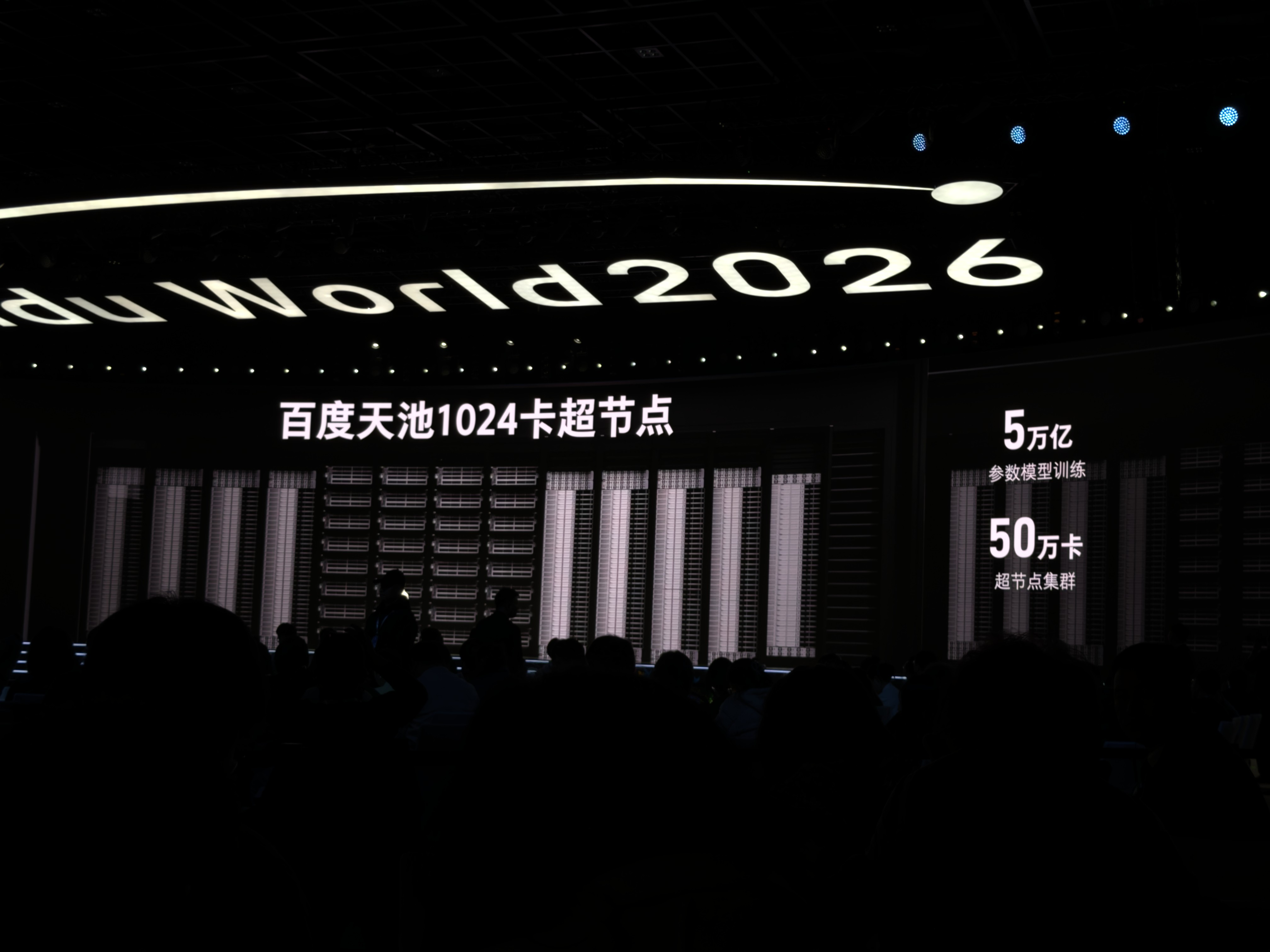
Today, Baidu announced the release of the Tianchi 1024-card super node, which will be launched in the market next year.
This super node utilizes optical engine technology for efficient collaboration among the 1024 cards, tripling the inference performance. It also uses G1.5 graphics memory acceleration cabinets to increase server bandwidth for caching, reducing the waiting time for the first token in multi-round dialogue scenarios by 90%.
A set of 1024-card super nodes can support the training of models with 5 trillion parameters. Baidu is also accelerating the construction of gigawatt-level AIDCs to provide faster computational services for companies.
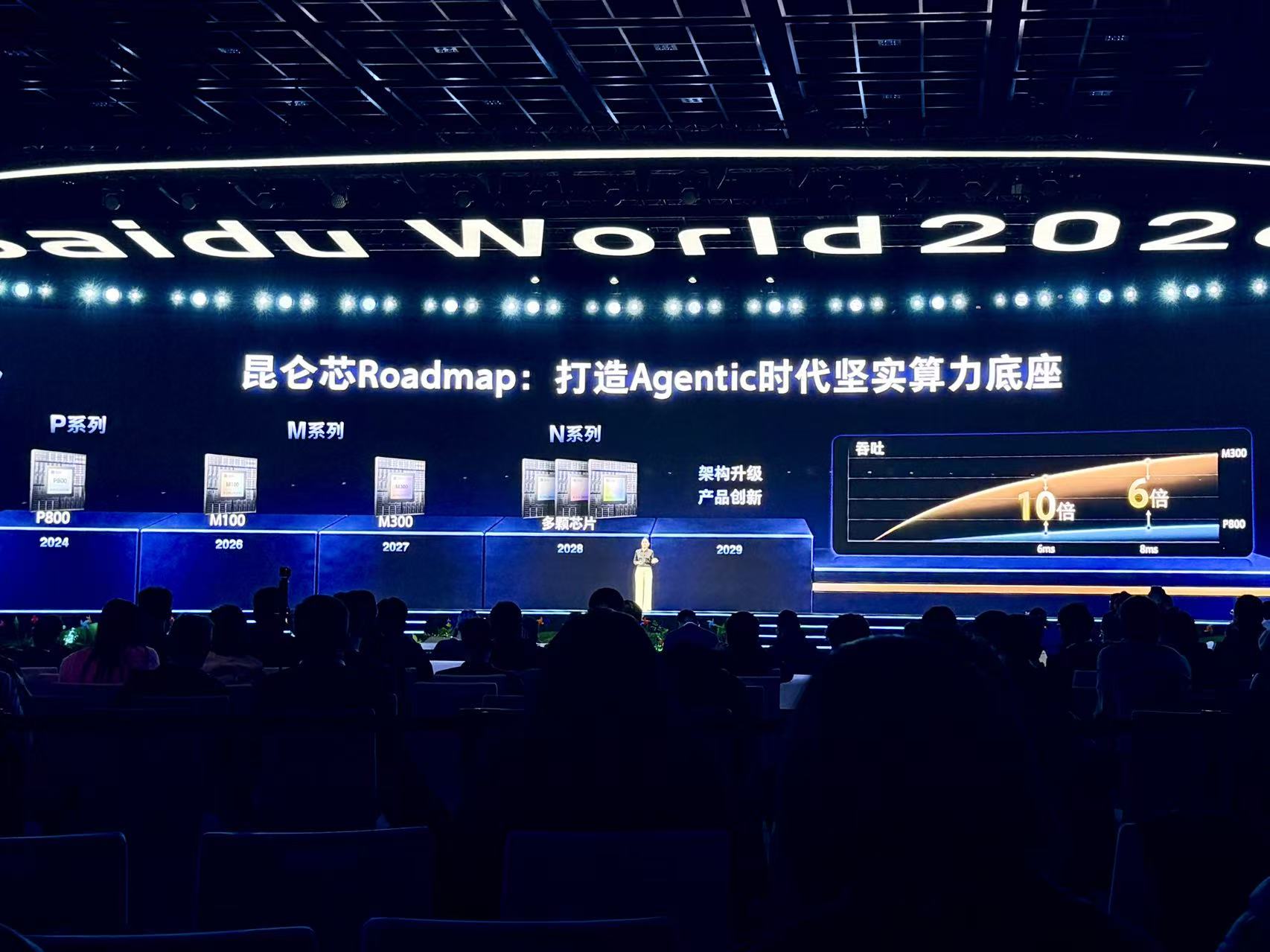
The Kunlun Chip roadmap has been updated, with the N-architecture chips expected to be released in 2028.
Robin Li believes that the current demand for AI computing power emphasizes both training and inference, and domestic AI chips have high adaptability and competitiveness in the inference domain.
The current demand for computing power is changing; storage capacity is becoming increasingly important, and the division of labor in scenarios is becoming more refined. The imbalance between algorithms and semiconductor cycles requires system-level architectural innovation. Qi Wei, Vice President of Kunlun Chip Research and Development, stated that in the future, any task can retrieve the required computing, storage, and processing resources from the entire network and connect them into a new AI computing superbrain with microsecond-level network latency.
Qi Wei mentioned that Kunlun Chip will continue to invest heavily in research and development, aiming to release products that combine performance with optimal cost-effectiveness every year. The roadmap shows that two chips based on the M-architecture will be launched this year and next year: M100, which focuses on cost-effectiveness, and M300, which will see comprehensive upgrades in computing, storage, and interconnectivity. Kunlun Chip has been tested using open-source large models, showing that the single-card throughput of M300 has increased by 6 times compared to the T800 at low millisecond latencies, and by 10 times at 6 ms latencies.
In 2028, multiple chips based on the N-architecture will be released to match different use cases.
In conclusion, the focus of AI competition is shifting towards helping companies implement intelligent agents effectively. TAG232@@
Baidu’s recent updates indicate its progression towards large-scale intelligent organization. The industry needs a low-cost, high-density computing foundation. The Tianchi 1024-card super node and the Kunlun Chip M/N-architecture chips released by Baidu provide the necessary hardware for the concurrent operation of numerous agents, the scheduling of long-duration tasks, and continuous knowledge base retrieval and inference.
The competition in the AI field is no longer just about large models; the mere advantages of a model alone no longer constitute a competitive advantage for companies. Whether an AI system can help a company successfully transform its organizational processes and enable controlled trial-and-error iterations is the key to creating a significant difference between companies.



