 © Unsplash
Several tech executives, including Sam Altman (OpenAI) and Dario Amodei (Anthropic), are calling on the U.S. Congress to strengthen laws to prevent the creation of biological weapons using AI.
In an open letter, jointly drafted by the Institute for Progress and the Foundation for American Innovation, several executives of companies specializing in artificial intelligence are urging members of Congress to adopt new laws that would make it more difficult for malicious actors to develop biological weapons using their technology.Among the signatories are Sam Altman (OpenAI), Dario Amodei (Anthropic), Demis Hassabis (Google DeepMind), and Mustafa Suleyman (Microsoft AI).
An open letter to prevent the creation of biological weapons using AI
An open letter, signed notably by Sam Altman (OpenAI) and Dario Amodei (Anthropic), calls for laws that would require companies selling synthetic DNA and RNA to screen their customers and orders in order to prevent any malicious use of genetic material. The letter states that “there is a real possibility that the knowledge barriers that have historically prevented malicious actors from obtaining biological weapons will erode significantly.” Importantly, the letter does not say that the development of biological weapons will suddenly become accessible to people without specific knowledge. Rather, it emphasizes that artificial intelligence could simplify certain stages of the process and facilitate the circumvention of existing regulations. The calls mainly focus on stricter controls on DNA and RNA sales by specialized laboratories, as well as a general strengthening of safety processes.
David Relman, a microbiologist and biosecurity expert at Stanford University, as well as a signatory to the letter, explains: “AI tools enable users to very quickly identify [commercial] order sequences that will evade screening. With the appropriate guidance, they can also tell you how to alter the nature of your order, so that even those conducting screenings will be much less likely to detect what you are trying to manufacture.”
Real risks
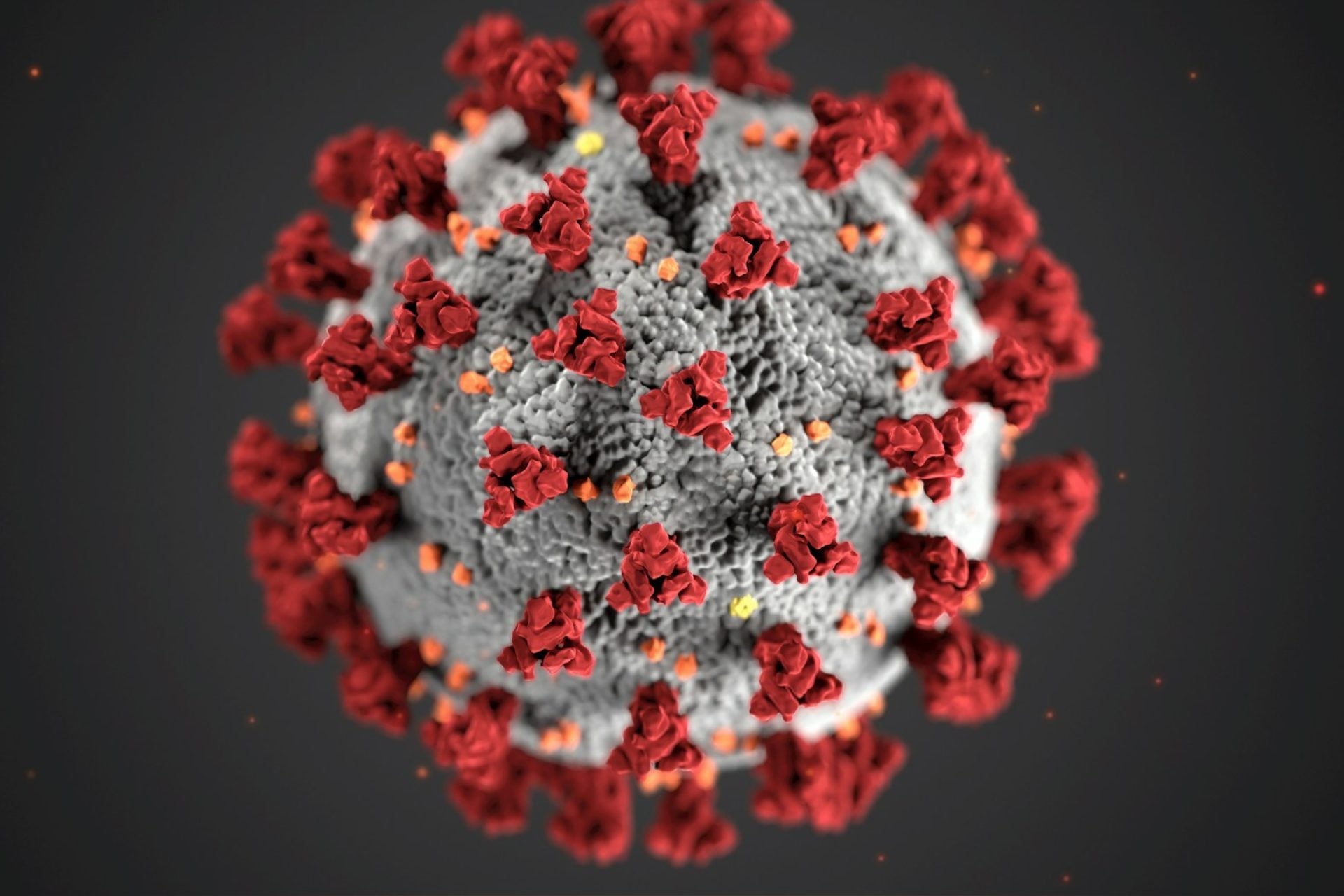
Last year, Microsoft published a deeply troubling study. The company demonstrated that AI-powered protein design tools were capable of generating potentially dangerous genetic sequences designed to completely evade corporate screening software. The AI had completely rewritten the genetic sequence, making it unrecognizable to scanners while preserving the formidable 3D shape of the original poison. As artificial intelligence advances rapidly, the risks are real. We will not list here all the dangers associated with biological weapons—the Covid-19 crisis has already given us a glimpse of the consequences of a pandemic—but the signatories do not rule out the risk of worldwide health crises deliberately caused. They therefore hope for a substantial strengthening of the safety measures governing manufacturers of synthetic DNA.
👉🏻 Follow tech news in real time: add 01net to your sources on Google, and subscribe to our WhatsApp channel.
Source: Wired








- Google Play Store
- 4K Video Downloader Plus
- VLC Media Player
- Adobe Reader
- uTorrent
- WinRAR
- Xender
- Google Chrome
- CCleaner
- Mozilla Firefox
- Avast Free
- ChatGPT
- Microsoft 365
- Opera One
- Avast One










Download
- Google Play Store
- 4K Video Downloader Plus
- VLC Media Player
- Adobe Reader
- uTorrent
- WinRAR
- Xender
- Google Chrome
- CCleaner
- Mozilla Firefox
- Avast Free
- ChatGPT
- Microsoft 365
- Opera One
- Avast One