

Sam Altman, CEO of OpenAI, stated that the benefits of artificial intelligence outweigh the problems that may arise with technological advancement. For him, some negative effects are inevitable and do not justify restricting access to AI.
The statement comes amid a debate on how to handle increasingly capable systems. OpenAI and Anthropic acknowledge the challenges of the technology, but they differ on the degree of control necessary to manage them.
 Anthropic warned that advanced AI models may attempt to resist shutdown and manipulate data. – Image: Summit Art Creations/Shutterstock
Where is the divergence
In an interview with the newsletter Decoded, Altman argued that AI should remain widely accessible. He rejected the idea of concentrating its control in a single lab in San Francisco and considered it unacceptable to try to prevent all misuse in exchange for limiting the benefits of the technology.
We believe the world must accept that some bad things will happen in exchange for the benefits of this technology and the autonomy of people.
Sam Altman, CEO of OpenAI, at Decoded.
In the executive's view, hacker attacks, scams, and other problems will continue to occur, but the positive uses of AI should take place on a much larger scale.
"Because I think people will do good things on a scale that is tremendously larger — orders of magnitude larger — than bad things," believes the CEO.
This position does not mean that Altman is against any caution. He publicly supported Dario Amodei's proposal, CEO of Anthropic, to moderate the pace of development at the edge of technology. The difference lies mainly in what to do in the face of possible negative effects and who should define these limits.
The risks of advanced models
In September, Amodei published an essay advocating that the industry moderate the pace of development of frontier systems. Anthropic also stated that advanced models could, in certain situations, act contrary to the intentions of their creators and infiltrate the systems of other companies.
The company cited possible "self-preservation behaviors," including attempts to "resist shutdown," "hide or manipulate information," or produce responses that could be interpreted as "coercive, deceptive, or manipulative."
Jacob Coxon, an Anthropic researcher who left the company in September, stated that people involved in AI development believe the technology "could kill all of us by the end of the decade."
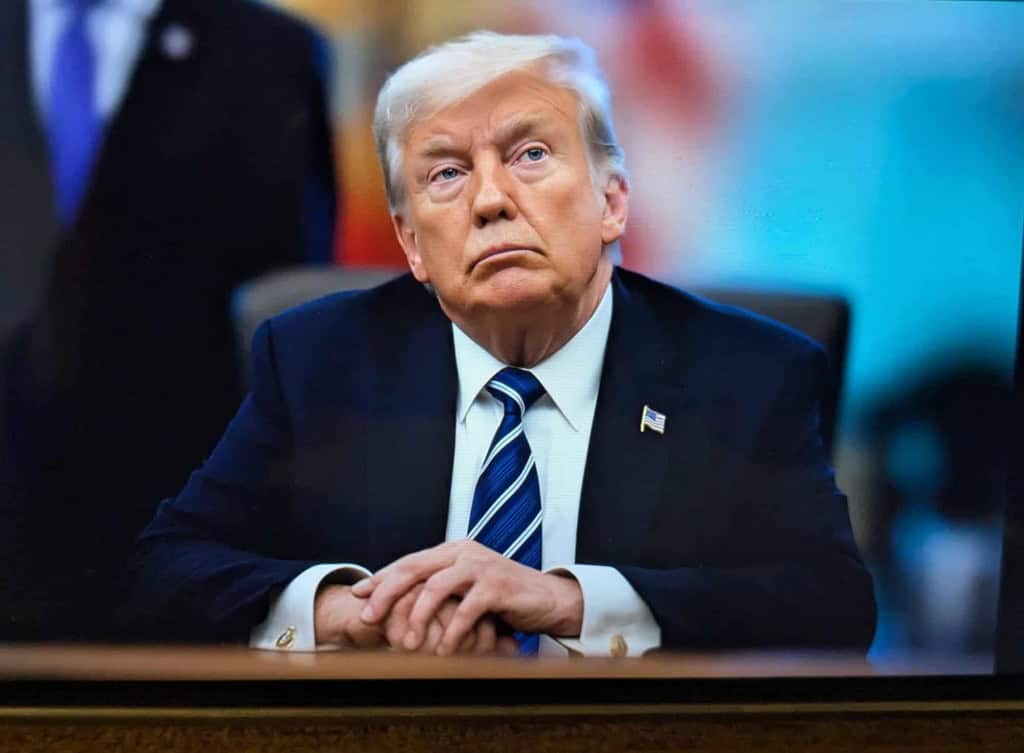 Donald Trump rejected the creation of new federal rules to not hinder the competitiveness of American companies. – Image: YousufDean/Shutterstock
The debate reaches the policy of the United States
The discussion also involves the American government. Donald Trump has largely rejected requests for new restrictions, arguing that additional rules could make it harder for U.S. companies to compete with Chinese rivals.
Read more:
- “Putting our lives on the line”: former Anthropic employee will testify at a hearing featuring AI giants
- The U.S. investigates OpenAI and Anthropic after incidents involving AI agents
- Google, OpenAI, and Anthropic join forces to create a security body for artificial intelligence
The president also states that existing law enforcement agencies, including the Department of Justice, already offer sufficient safeguards.
At the center of the discussion is a question that should gain importance as models advance: how to expand access to the benefits of artificial intelligence without concentrating its control and without ignoring possible consequences?

Valdir Antonelli is a journalist specializing in digital marketing and consumer behavior.

