 © Inrupt
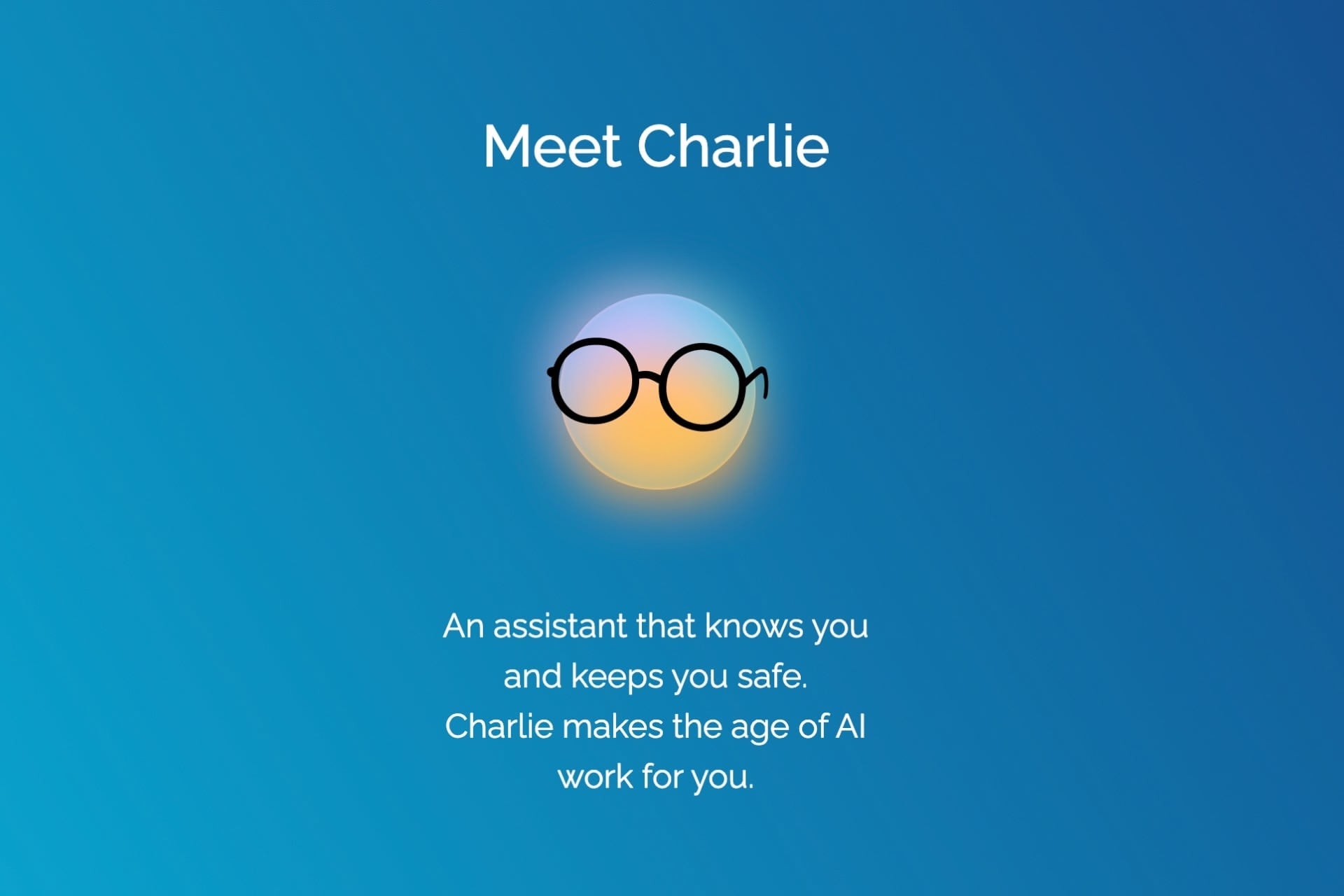
The man who invented the web never really came to terms with what we have done with it. His answer to the AI era comes down to an assistant named Charlie, designed to serve the user rather than the platform hosting it.
Since he gave the web to the world in 1989, Tim Berners-Lee has spent part of his time correcting its excesses, from algorithms engineered to be addictive to platforms that monetize every scrap of data. Not surprisingly, his current targets are AI models, trained on everyone’s data without ever asking permission.Its answer has a name: Charlie, an assistant that draws on your own data, stored at home, to give you answers.
How does Charlie change the rules?
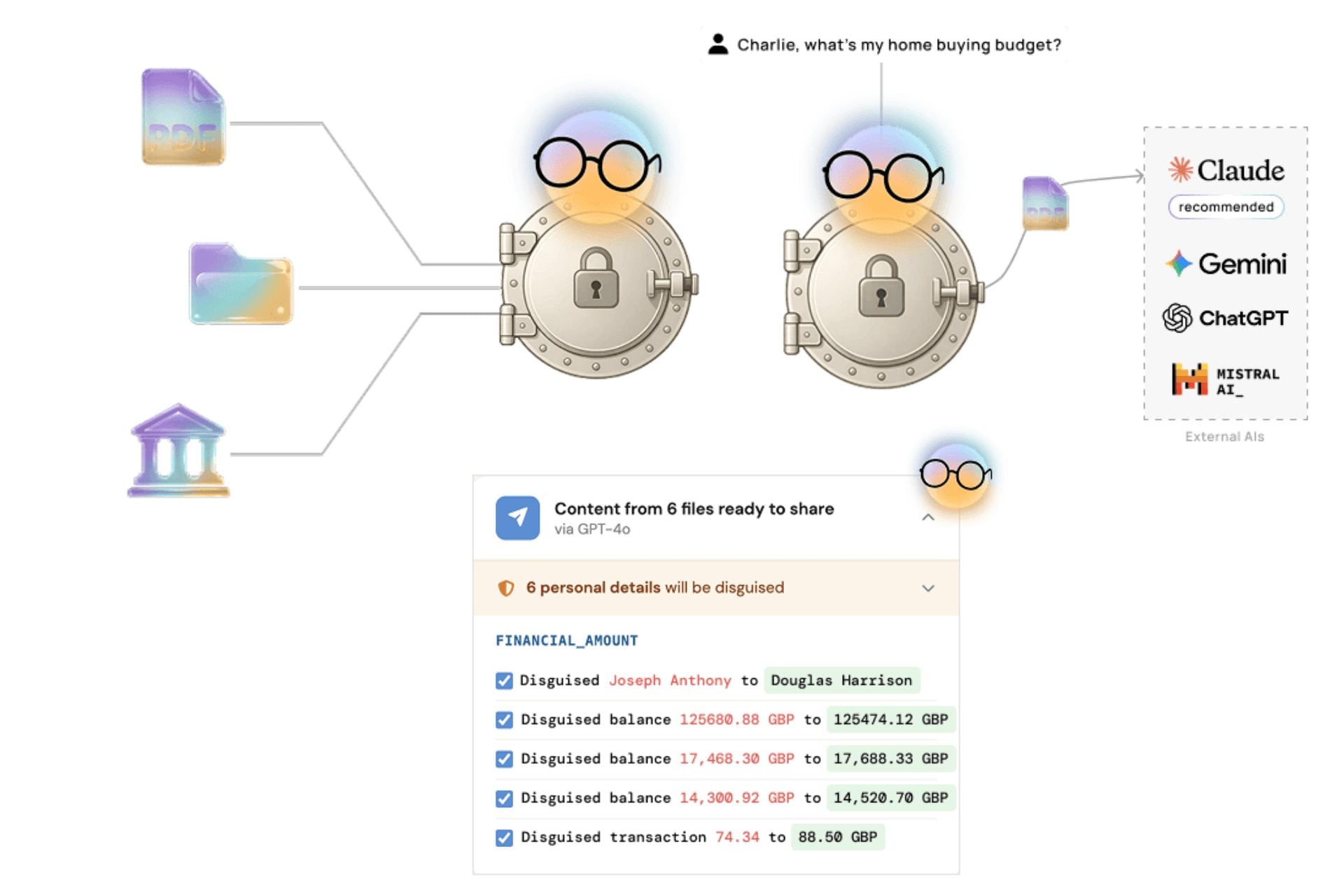
A conventional AI starts blind: trained on the open web, it knows nothing about you in particular. Charlie takes the problem in reverse. The assistant draws on your Solid Pod, a personal data vault that remains in your hands, to answer with a precision that no anonymous chatbot can offer. Ask it which running shoes to buy: it knows you are preparing for a half marathon, how many kilometers you cover each week, and whether you run on roads or trails.
 © Inrupt
Tim Berners-Lee sums up the idea with an image he likes: Charlie works for you as your doctor or lawyer would, bound to defend your interests rather than those of a tech giant. This is what sets it apart from Alexa or Siri, which are tied to their parent companies. “Claude understands nothing about you, Charlie does”, says the inventor of the Web, whose demonstration relies precisely on Anthropic’s model.
Do your data really stay at home?
Rather than sending your information to a company’s database, Charlie keeps it in your pod, a mechanism that is diametrically opposed (do you have one?) to the big AI services.When you ask a question, it examines what you are asking and selects only the information to pass on to the AI model, modifying sensitive data along the way so that the tool gets a useful picture without accessing the raw details. A consent button lets you grant or deny this access each time.
Read also: The Vatican calls for “disarming AI,” with Anthropic’s support
The Flemish government in Belgium is already testing citizen data vaults for its public services, and Inrupt, the company co-founded by Berners-Lee, has been promoting its secure wallets since 2018. The reasoning behind it is fairly simple: without data, AI models do not exist, and they have so far had virtually unlimited access to it. Yet Charlie is still only a demonstration, not a mass-market product: the assistant works, but with a fictional user, and it has yet to be scaled up.
The idea is highly appealing: an AI as astute as someone close who knows you well, without the privacy cost. Yet there is still a major obstacle, because those who dominate AI have built their fortunes on unrestricted access to your data, and nothing suggests they will let Charlie overturn the table. Anthropic has, in fact, already banned users arbitrarily.
👉🏻 Follow the latest tech news in real time: add 01net to your sources on Google, and subscribe to our WhatsApp channel.
Source: Inrupt








- Google Play Store
- 4K Video Downloader Plus
- VLC Media Player
- Adobe Reader
- uTorrent
- WinRAR
- Xender
- Google Chrome
- CCleaner
- Mozilla Firefox
- Avast Free
- ChatGPT
- Microsoft 365
- Opera One
- Avast One











Download
- Google Play Store
- 4K Video Downloader Plus
- VLC Media Player
- Adobe Reader
- uTorrent
- WinRAR
- Xender
- Google Chrome
- CCleaner
- Mozilla Firefox
- Avast Free
- ChatGPT
- Microsoft 365
- Opera One
- Avast One




