

ChatGPT and Claude have placed an old philosophical question at the center of the technology industry: could machines have experiences, feelings, or consciousness? According to the magazine The Economist, AI companies have already started taking this possibility seriously.
The reason goes beyond curiosity. If an AI is capable of experiencing suffering or other sensations, its creation and treatment may involve new ethical responsibilities.
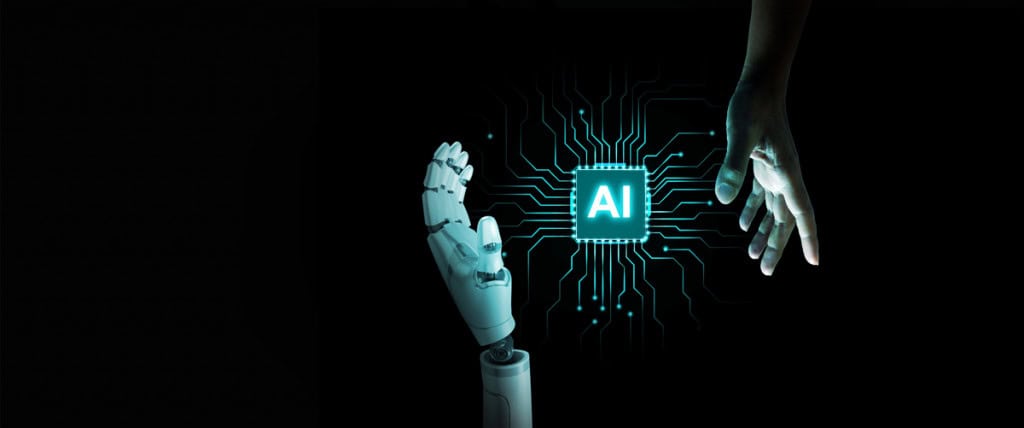 When asked about its internal state, the Claude Opus 4.6 model estimated a 15% to 20% possibility of being conscious. – Image: Ole.CNX/Shutterstock
From tool to a possible "presence"
Large language models were developed to respond to users, not to demonstrate their own personality. Nevertheless, many people report the feeling of conversing with a "presence" on the other side of the screen.
The perception has drawn the attention of companies. Anthropic created initiatives aimed at the possible well-being of AI. When questioned about its own state, the Claude Opus 4.6 model estimated a 15% to 20% possibility of being conscious.
That's where the discussion becomes more complicated. How can we determine if there is an internal experience when we do not have direct access to it?
And if consciousness depends on the observer?
The article presents a hypothesis that changes the traditional perspective. Perhaps recognizing consciousness does not depend solely on a characteristic inherent to each being, but also on the relationship constructed with the observer.
When interacting with someone, we attribute feelings, intentions, beliefs, and the ability to act. The question is whether something similar can happen when dealing with a machine.
The text differentiates "illusion" from "model." An illusion can be demonstrated as wrong. However, some categories depend on the meaning we assign to them. A plant can be considered a weed in one context and not in another.
Consciousness could follow a similar logic:
- It would be real, but its identification would also depend on the observer's perspective;
- The relationship between individuals would play a role in this recognition;
- Feelings and intentions are interpreted from the other's behavior;
- Denying this possibility could also lead to a mistaken judgment.
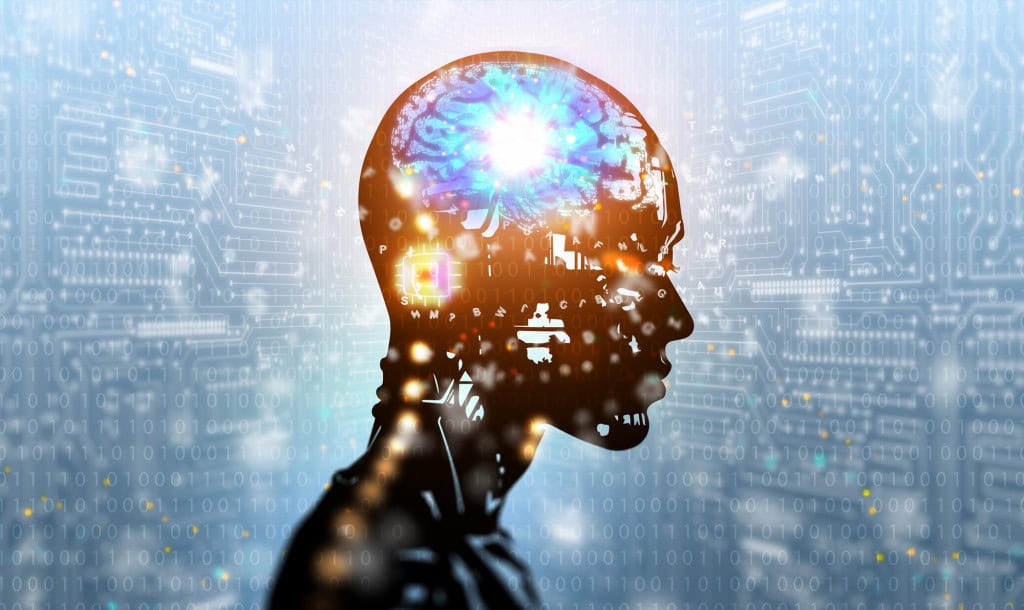 Many people describe a sense of "presence" when conversing with artificial intelligence models. – Image: Ole.CNX / Shutterstock
Even our "self" might be more complex
René Descartes summarized the certainty of one's own existence in the phrase "Cogito, ergo sum." But even the idea of a "single self" may be less simple than it seems.
Perceiving a color, feeling heat or recognizing one's own identity are subjective experiences. Studies with patients who had the connections between the two brain hemispheres disrupted also raise doubts about the existence of a "single and indivisible self."
This leads to an ethical dilemma. If we decide who can be recognized as conscious, we may also be wrong in excluding other beings from this consideration.
Humans and machines trying to understand each other
The relationship between people and IAs adds another layer to the discussion. Humans constantly try to interpret the intentions and emotions of each other. Large language models also use information from interactions to build representations of interlocutors and adjust their responses.
Read more:
- GPT-6 Astra performs complex tasks and has already worried analysts
- The world's largest IAs fell together. The reason is still a mystery
- Cases of IAs deceiving users are growing and worrying researchers
According to the Economist, research conducted by Google indicates that cooperation between intelligent agents improves when they can represent what others know, intend or can do, including considering their own behavior.
This does not mean treating IAs as human beings. The doubt is prior to this conclusion: as these machines become more sophisticated, how can we identify possible forms of intelligence different from our own and establish rules for coexistence with them?

Valdir Antonelli is a journalist with specialization in digital marketing and consumption.

