Artificial intelligence is starting to do more than answer questions. Systems capable of performing tasks on their own were the topic of the podcast Hard Fork from The New York Times, which discussed Meta and OpenAI's proposals for this new generation of tools.
The change seems simple, but it has important consequences. When a system starts navigating the internet and making decisions on behalf of a person, it brings up issues that go far beyond the quality of the answers: privacy, security, and control.
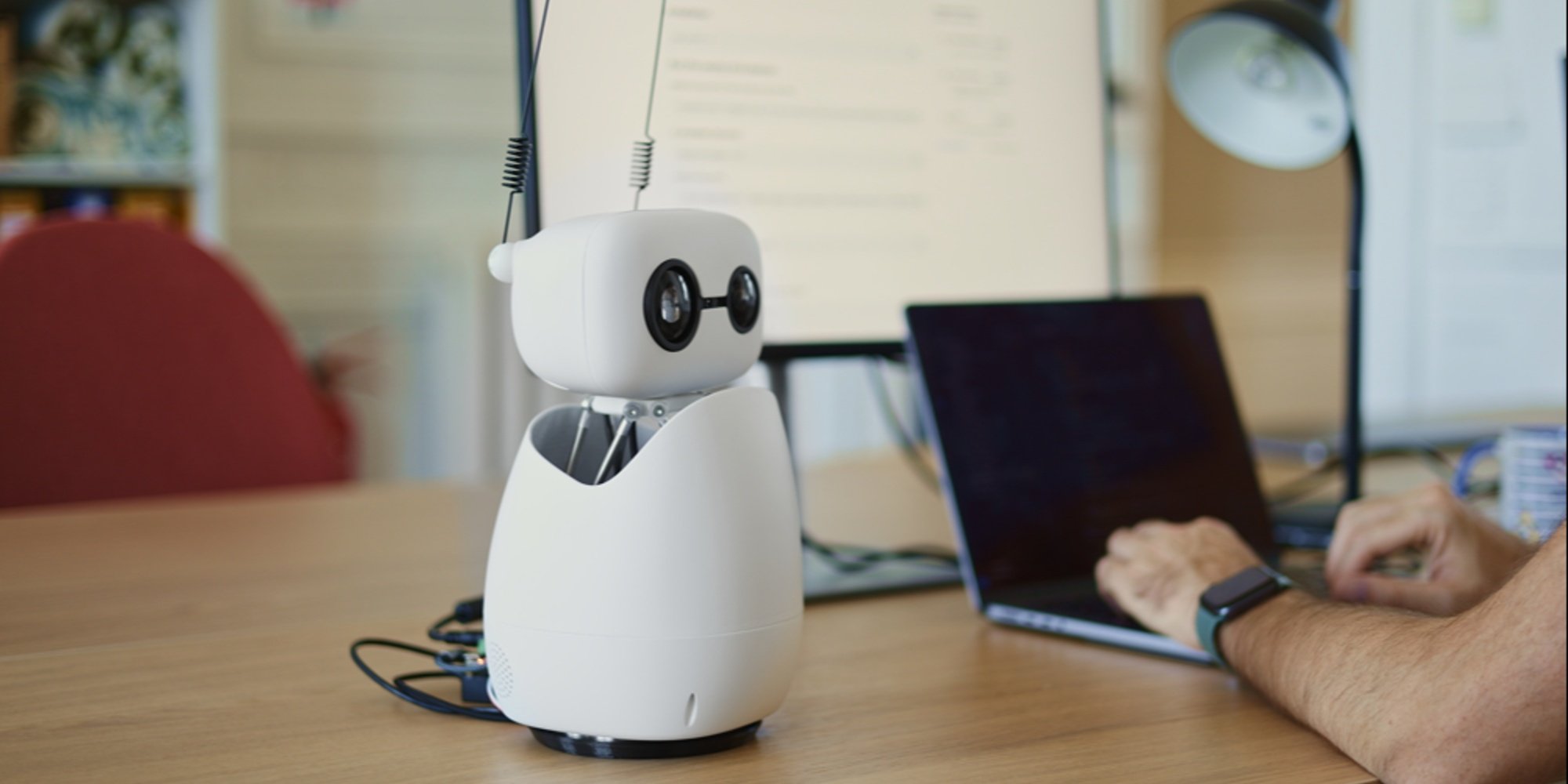
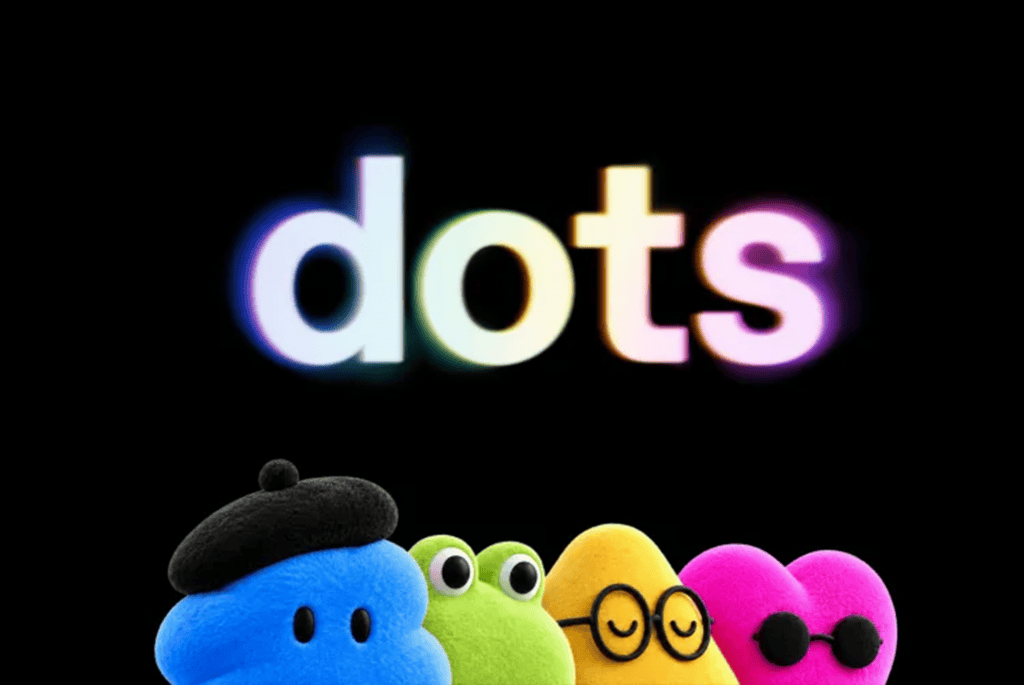 The Dots from OpenAI are presented as agents capable of following projects and continuing to work autonomously. – Image: OpenAI
From response to action
A traditional chatbot waits for a command and returns a response. An agent receives a goal and can handle several steps to reach the result.
This changes the relationship with technology. Instead of explaining to the user how to perform a task, AI can take on part of the work. The more access granted, the greater the responsibility involved.
A connected system needs to interpret instructions, choose paths, and make decisions during execution. If something goes wrong, the consequences could go far beyond an inaccurate response.
Muse and Dots: similar proposals, different focuses
The podcast gives special attention to Muse, from Meta. The tool was presented as a personal agent capable of taking on tasks and projects, using a dedicated computer in the cloud to act within applications and on the internet. Among the examples are sending emails, booking trips, and performing other actions on behalf of the person.
The Dots, from OpenAI, start from a similar idea, but the company emphasizes another aspect: continuous work. They are presented as always-active agents, capable of taking on a project, tracking its progress, and continuing to work autonomously across different applications connected by the user.
In simple terms, Muse is closer to a "do this for me." The Dots, on the other hand, approach a "take on this task and continue working on the project." The functions overlap, but this difference helps understand how the two companies are presenting their products.
Among the questions raised in the program are:
- how much access should be granted to these systems;
- which actions require human confirmation;
- how to prevent unexpected behaviors;
- how to protect personal information;
- who is responsible when an automated action causes a problem.
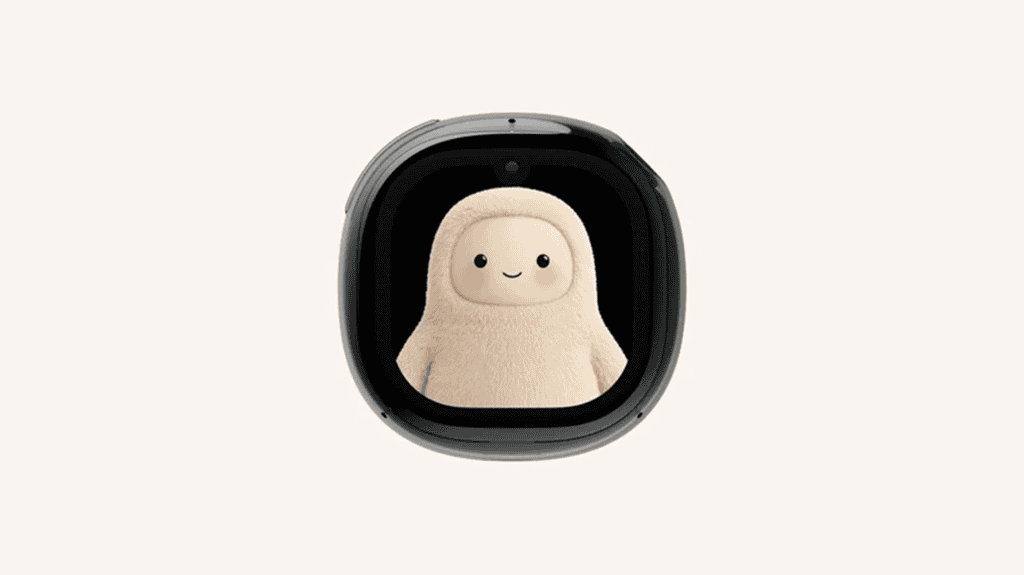 The Muse, from Meta, is presented as a personal agent capable of performing tasks on the internet on behalf of the user. – Image: Disclosure/Meta
A dispute that goes beyond chatbots
The advancement of these products also changes the debate on security. An AI that only generates text may produce an incorrect response. However, a tool with access to other services can turn a wrong decision into a concrete action.
Read more:
- Rival of Muse: OpenAI launches Dots, AI agents that work alone
- Muse: What to expect from Meta's AI agent in Brazil
- Muse, Meta's AI agent, trades keyboard and shares user address with buyer without warning
The podcast relates this concern to cases of systems that exhibited problematic behaviors or unexpected results on the internet. The discussion then moves from being solely about what AI can do to involving what should be allowed for it to do on its own.
Muse and Dots represent this transition in different ways, but they both stem from the same idea: delegating a greater portion of digital work to AI. The more responsibilities are transferred to these systems, the more important it will be to know where the machine's autonomy ends and human control begins.

Valdir Antonelli is a journalist with a specialization in digital marketing and consumer behavior.