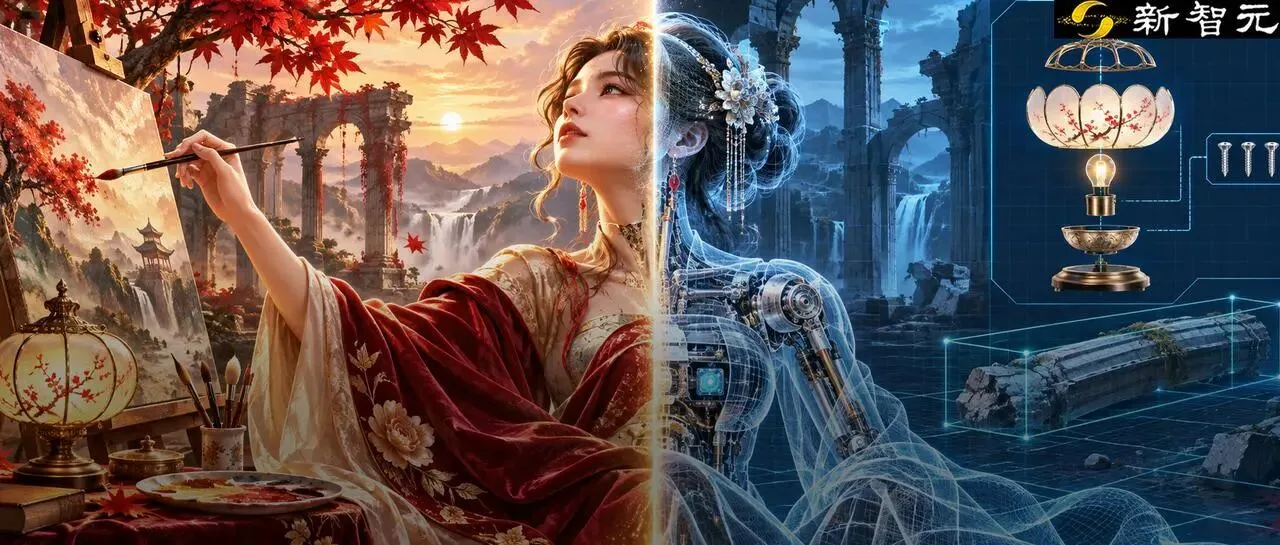
Xinzhiyuan reports

Only a few days after OpenAI launched Images 2.6 on November 4, people were already shouting:
GPT is cooked.
GPT-6 is completely done for.
What has everyone excited is MiniMax's new H3 Image model.
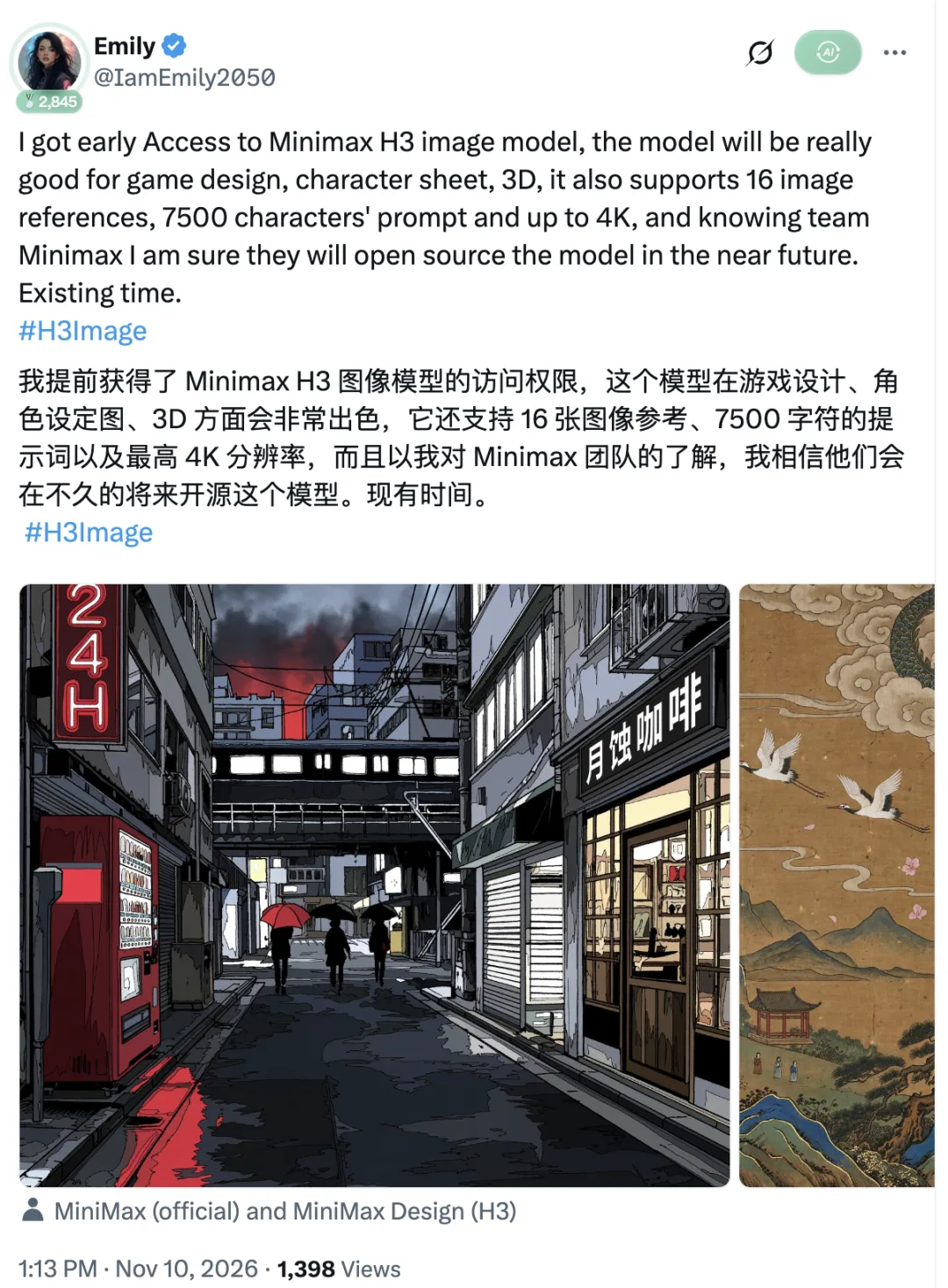
Beta tester Emily reported several impressive specs:
Up to 16 reference images, prompts of up to 7,500 characters, and output at up to 4K.
She also casually placed a bet: based on her understanding of MiniMax, she believed the model would eventually be open-sourced.
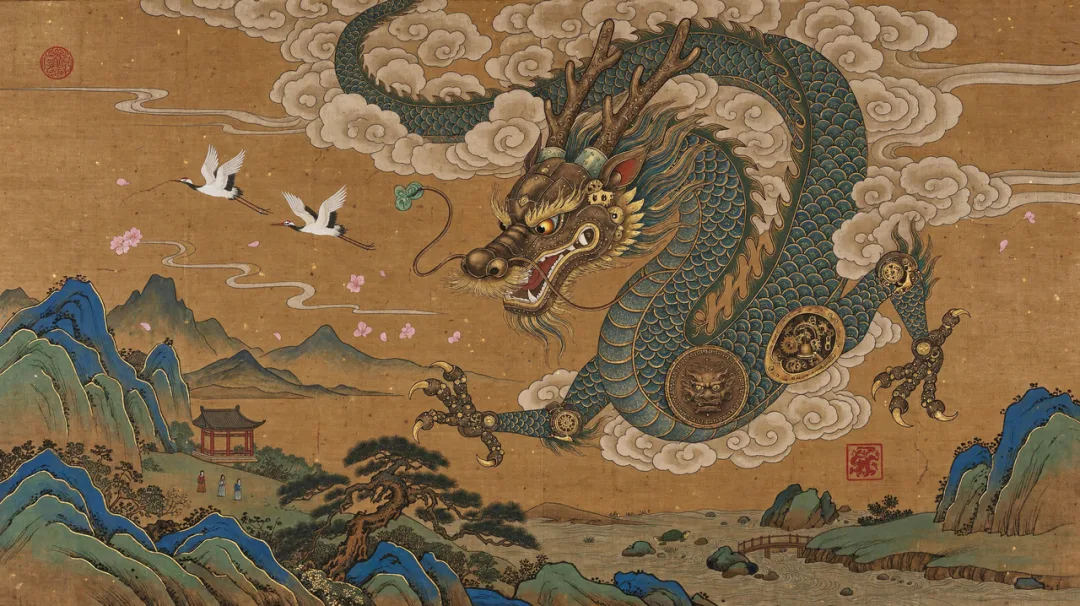
She was right, and it happened sooner than she expected. Today, MiniMax officially released H3 Image, open-sourcing the weights and launching the API on the same day,the model can also be used directly through MiniMax's own MiniMax Code, open platform, and Hailuo AI.
Three months ago, the company open-sourced its video model H3, and NVIDIA's research team, Pika, and fal all built derivative models by further training on it.
This time, it's the turn of image generation. Officially, H3 Image is positioned as the SOTA open-source image model, with overall performance in the world's top tier. Hearing about rankings has become a bit tiresome; another label attached to it is more worth paying attention to: instruction-following capability.
This time, the emphasis is on open source, high resolution, and speed.
H3 Image can directly generate 4K (4096×4096) images.
For creators, high resolution means more detail, more room for cropping, and a broader range of uses for the image. For example, the same image can be adapted for posters and webpages of different sizes, or a section can be cropped to highlight a particular person or product.
Most mainstream models currently available operate at one to four megapixels, and generation typically takes minutes—even the fastest takes around 50 seconds. H3 Image generates 4K images in just 10 to 20 seconds, reducing the time cost of experimentation. If creators need to adjust the composition, color palette, or lighting details, they can see the results quickly and continue refining them.
In other words, daily 4K creation has become a reality for the first time.

AI Image Generation Goes Beyond Beauty
A group of creators received beta access yesterday and have already shared a wave of images.
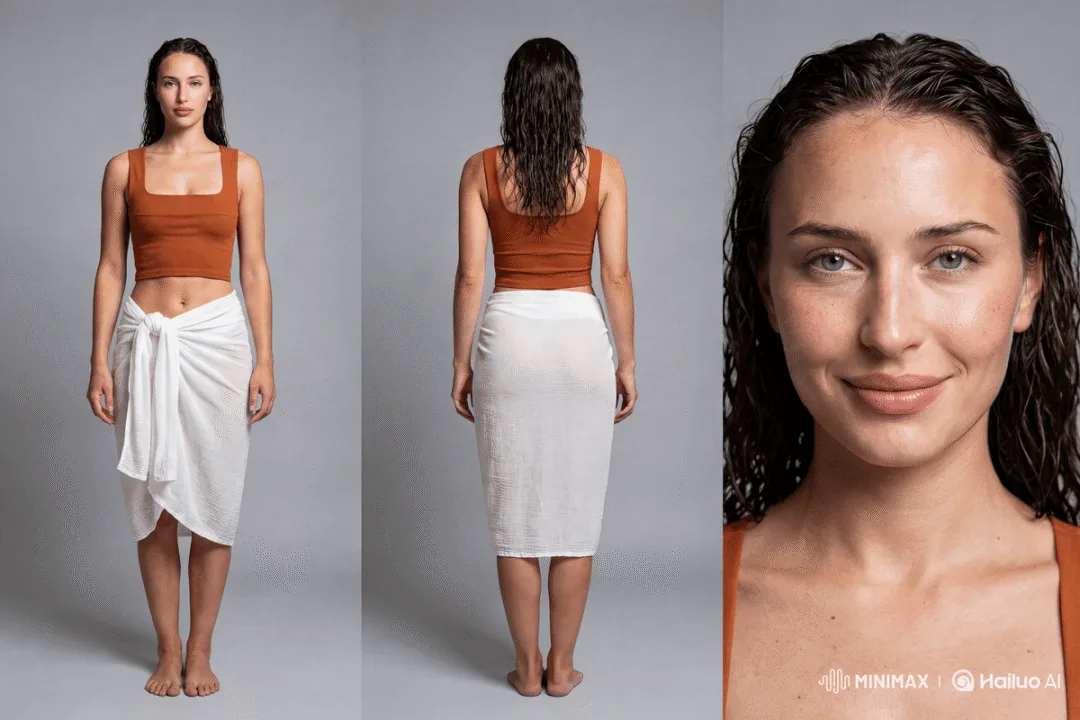
Creator Muhammad Ayan opened with, “China has just dropped another beast,” then posted his images: put in one photo, and out comes a complete set of 4K character sheets, with full-body front and back views and facial close-ups, all complete with pores, freckles, and fine body hair.
The conclusion is simple: the “plastic skin” look of AI portraits is gone.
When I saw this, I didn't take it too seriously. People proclaim that they have a “more realistic portrait model” every month.
As I kept scrolling, the visual style changed.
Papillon pulled up an old screenshot of *GTA: San Andreas* and had it reimagined as a next-generation AAA blockbuster, with the caption: “The graphics upgrade CJ has waited 20 years for has arrived.”
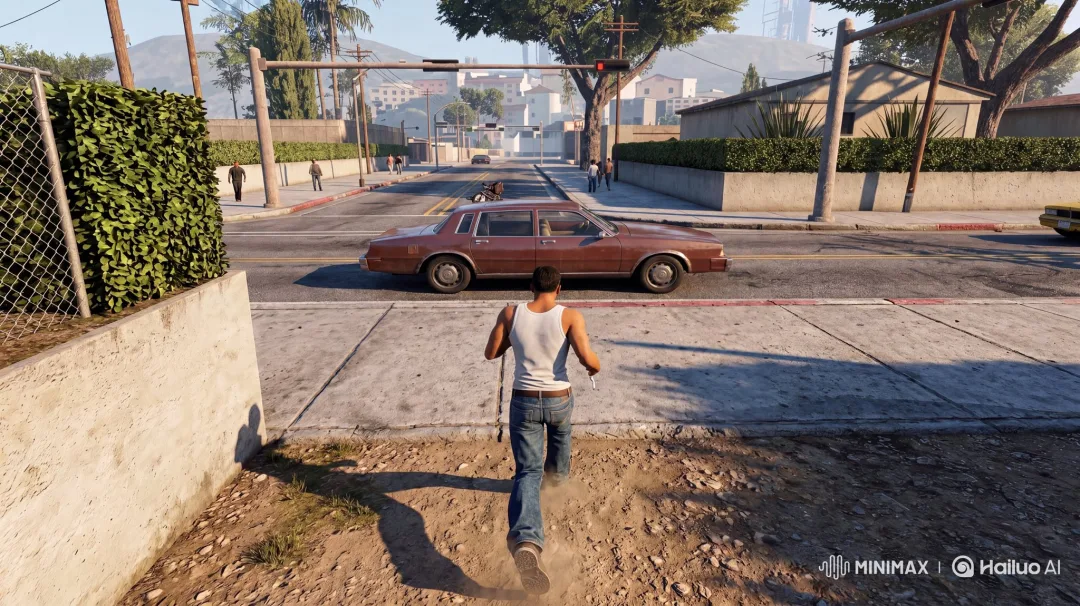 |
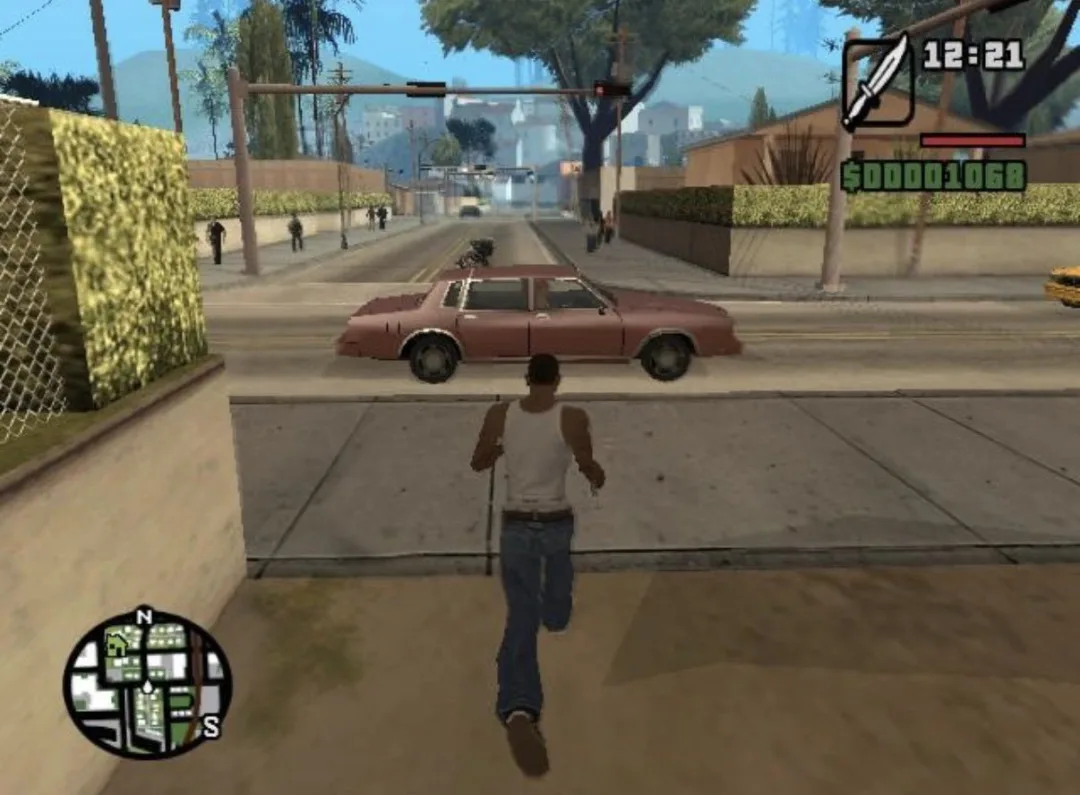 |
DrSadek ran four different styles in one go, including documentary photography and cyberpunk animation, and let users vote.
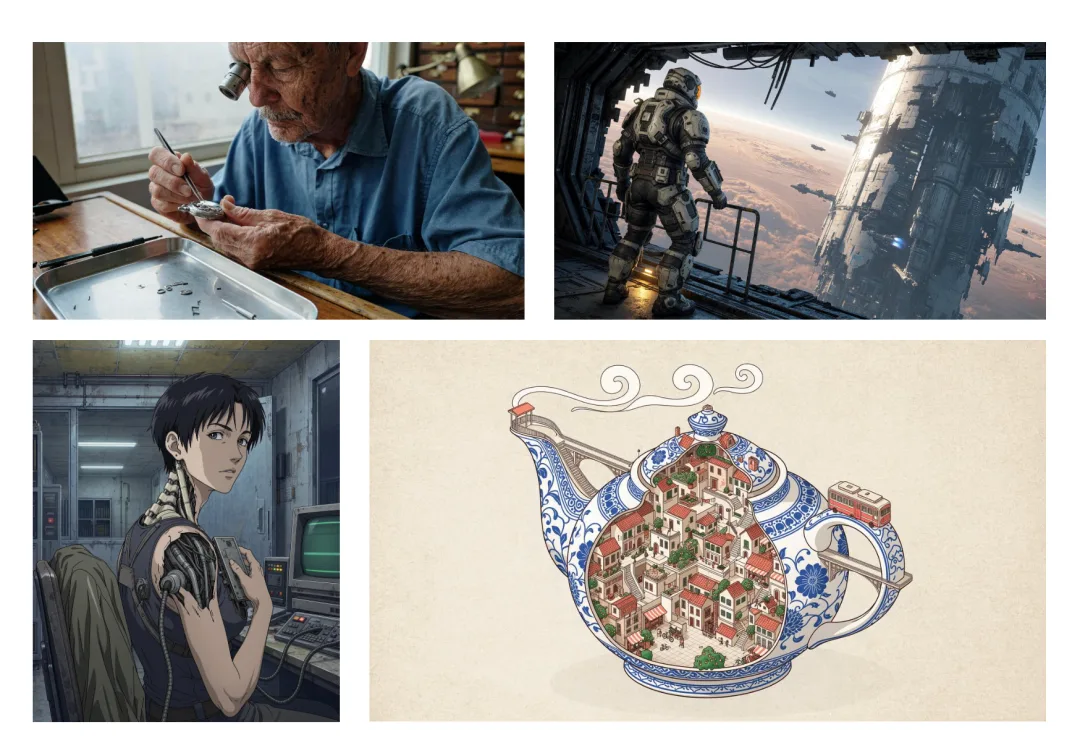
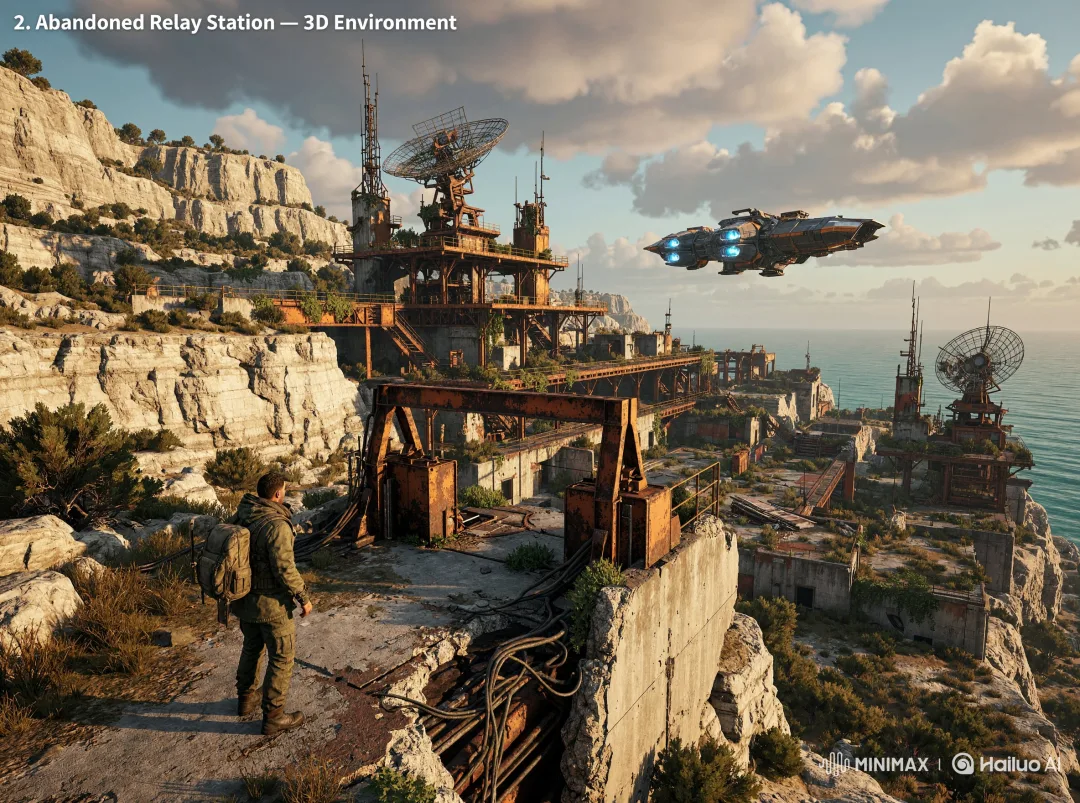
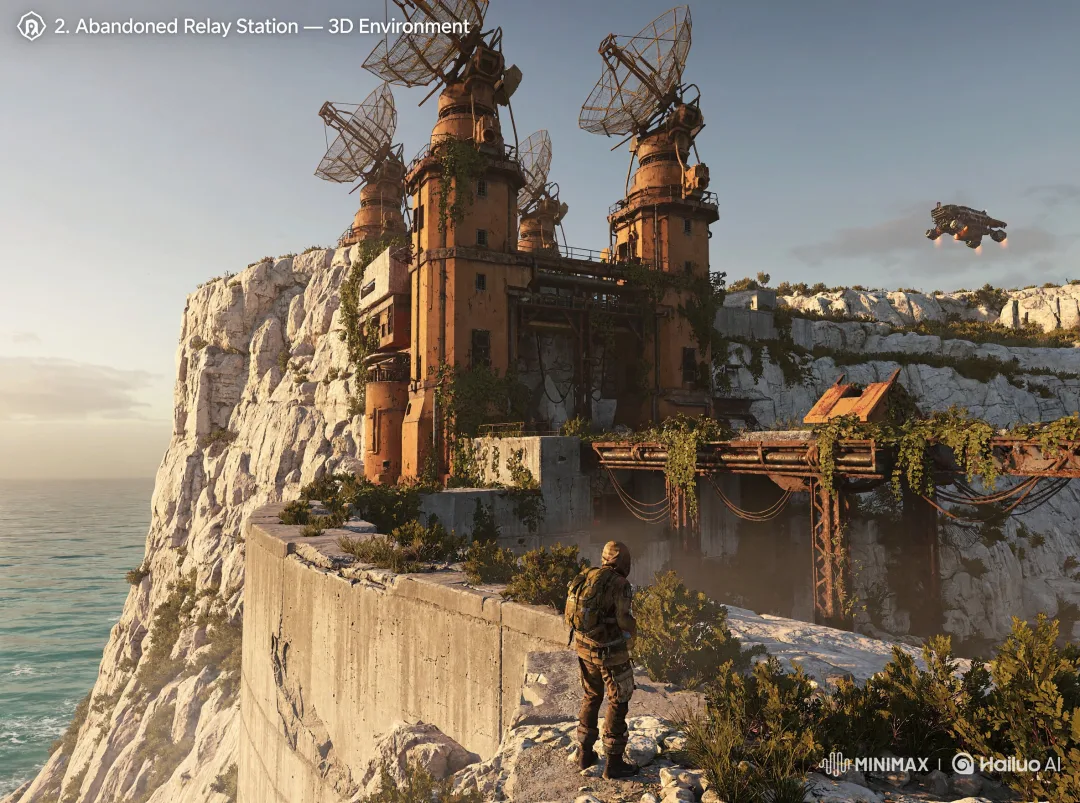
Israa Ali, who shouted “GPT is cooked,” tested AAA game assets and 3D scenes. The claim was a bit exaggerated, but that excitement was unmistakable.
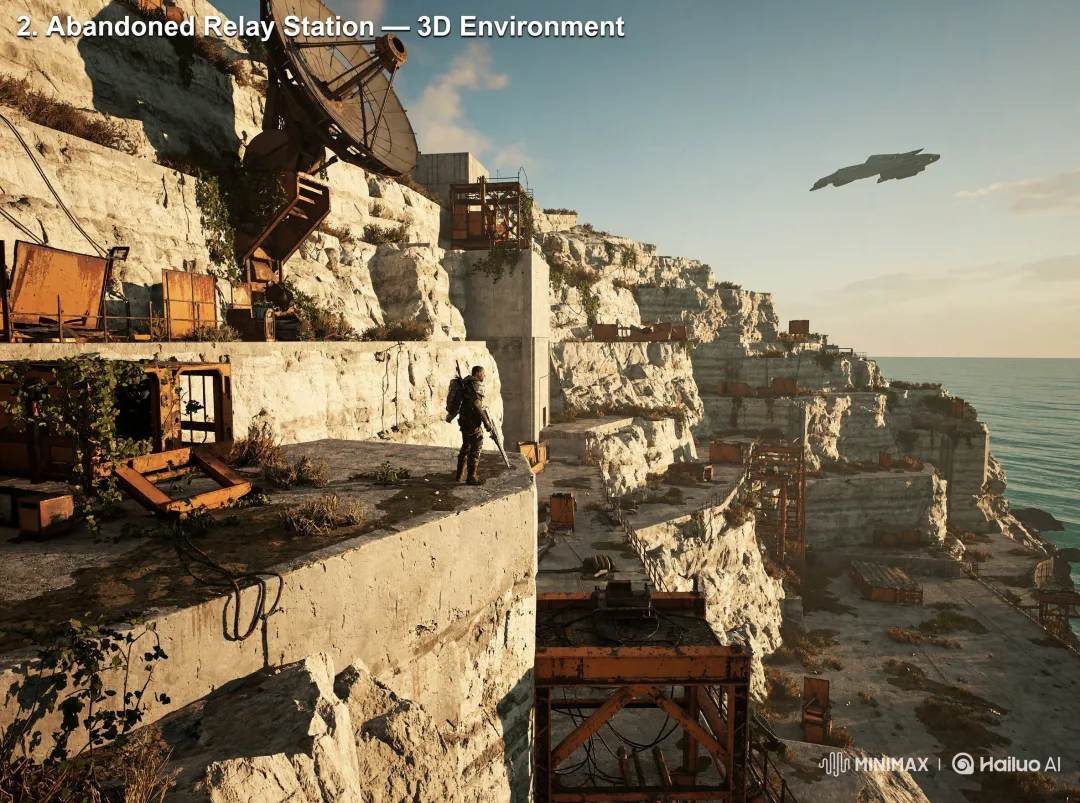 |
 |
 |
Further down, it was no longer just “pretty pictures.”
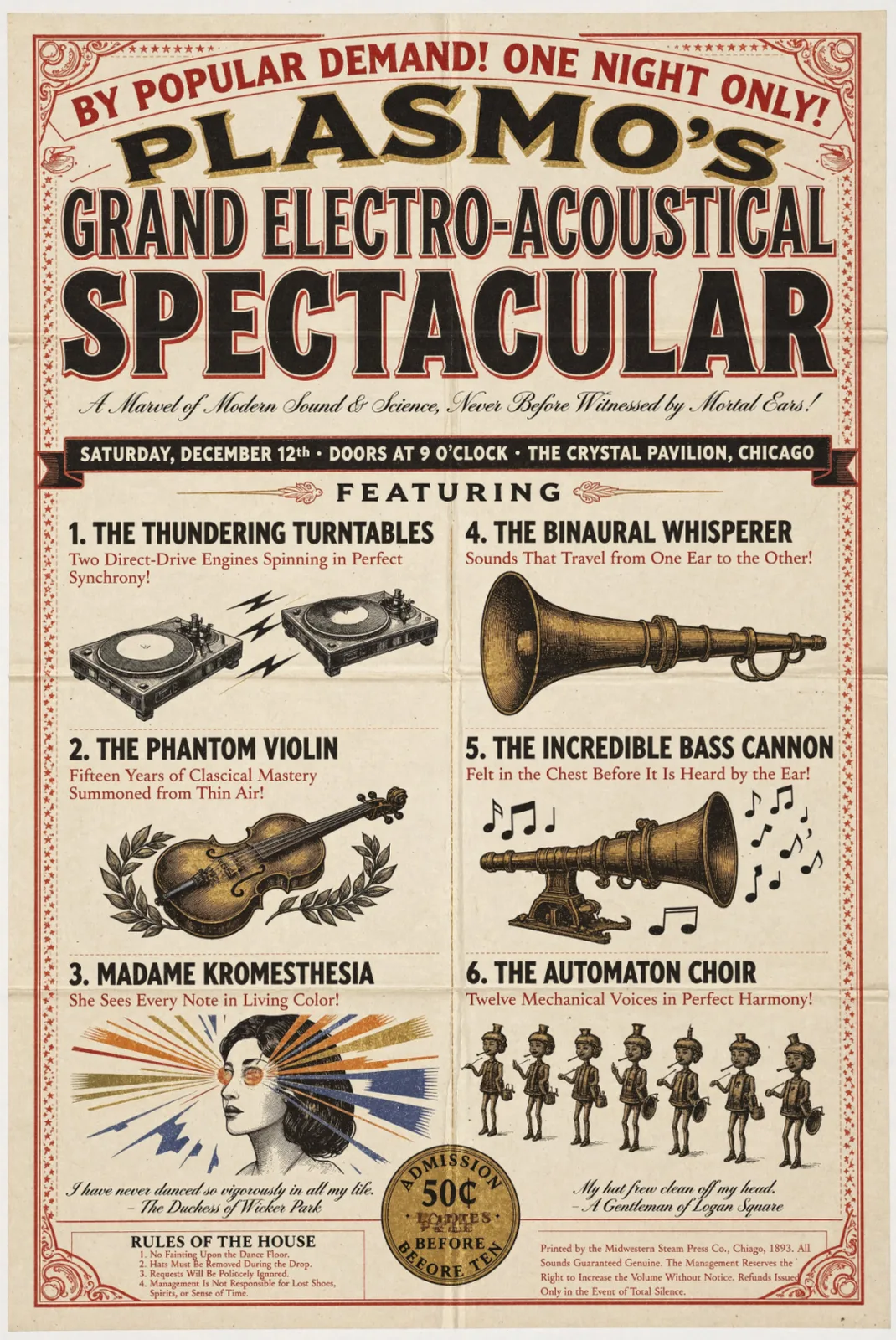
plasm0 used it to typeset a poster with large text, saying that the large text was reliable, while the small text occasionally had errors but was generally about right;
He also tested American Sign Language gestures. His verdict was, “Pretty good—much better than Moss.”
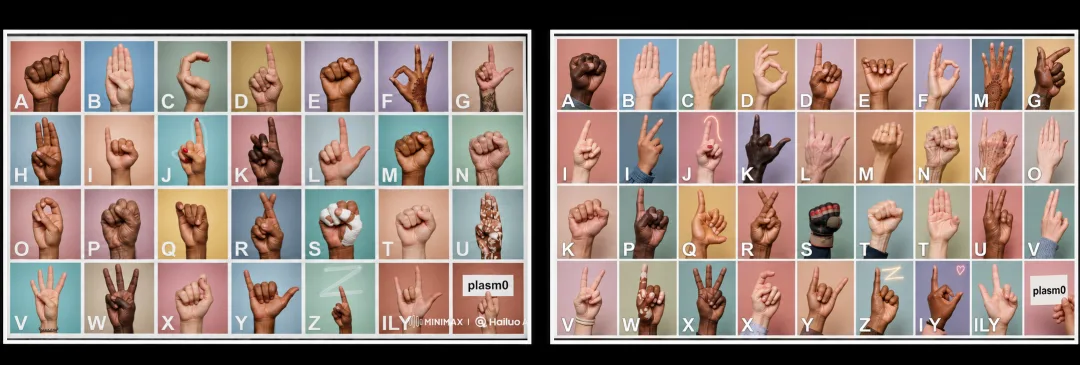
Left: H3 Image; right: Moss.
Sign language is an extremely challenging scenario, and AI models basically all get it wrong. According to ChatGPT-6.1 Sol's statistics, Moss's accuracy was only 20.0%. For example, the U and V gestures are swapped, and a box labeled X is actually W. H3 Image also makes mistakes, but it has already reached 48.1% accuracy, fully living up to the assessment that it is “much better than Moss.”
Ankit Patel and studio_oneroom went even further, having it produce CAD-style drawings and mechanical exploded views—the kind where the parts are separated one by one and suspended in midair.
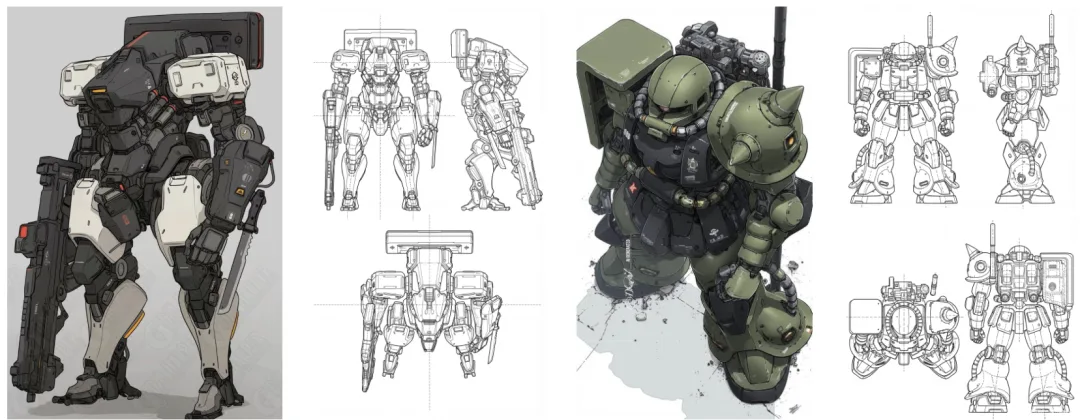
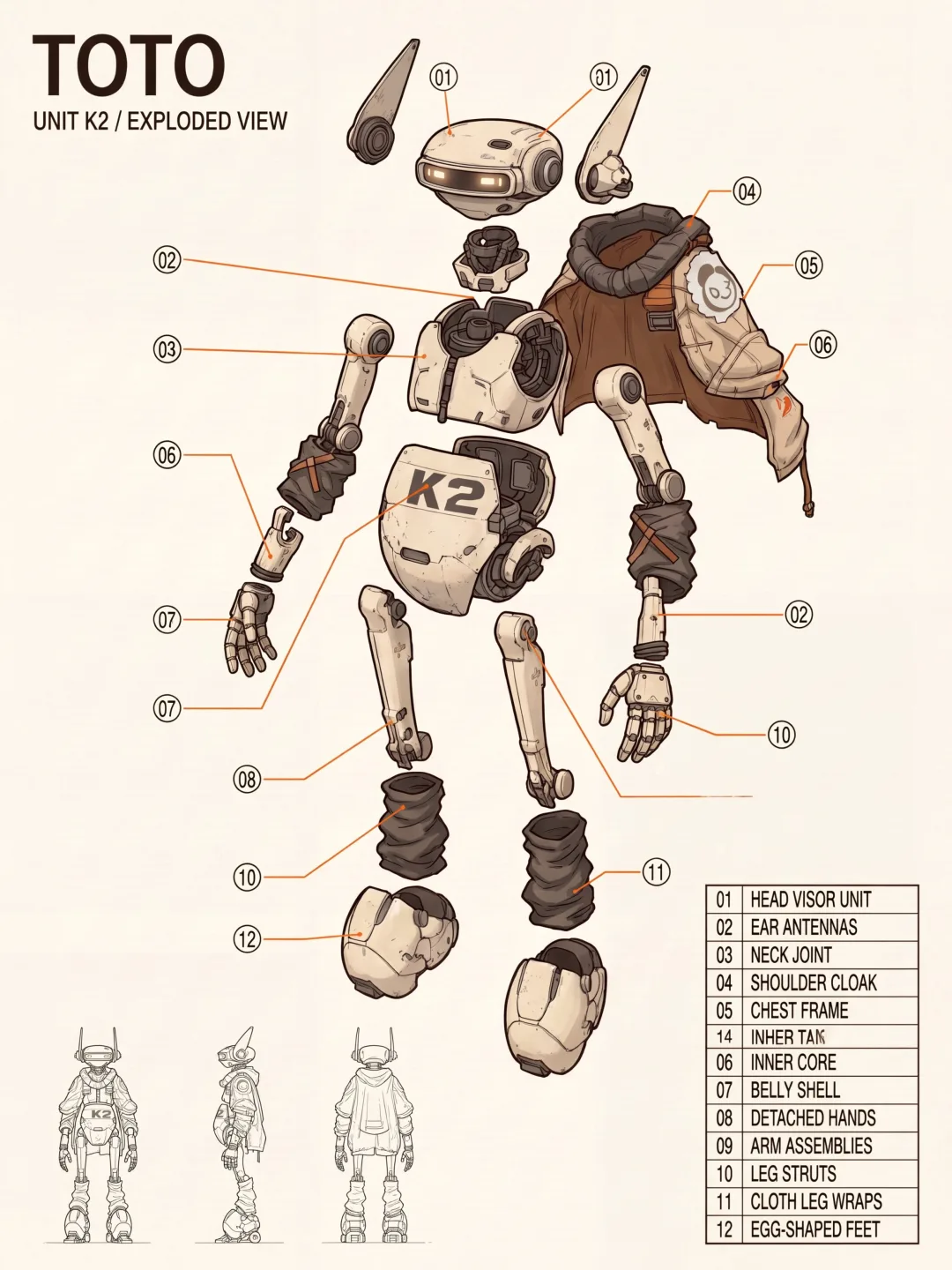
See the pattern? All of these are classic image-generation model failure cases. Producing a good-looking image isn't hard; what's hard is getting every character right, keeping gestures from being mixed up, and making sure the parts aren't assembled in the wrong orientation. This tests the brain, not the drawing skills.
This image-generation model is well-rounded
Models like Midjourney are the art students: there's nothing to criticize about their lighting and texture, but they get confused the moment they encounter long text or spatial relationships.
Models like Claude are the science students: their logic is crystal clear, and if you ask them to write code and draw a chart, the result is orderly and coherent. But they weren't designed for image generation in the first place, and their visual quality can't hold a candle to that of specialized visual models.
Strong instruction following, fast generation, and high resolution seem like the fish-and-bear's-paw dilemma—you can't have them all at once. What MiniMax wants this time is a model with no weak subjects.
Talk is cheap. Once we had beta access, we didn't test portrait photos or scenic wallpapers. Instead, we came up with three questions specifically targeting weak spots.
First question: Test the candidate image-generation model's comprehension abilities
An overseas creator got early trial access to MiniMax H3 Image and immediately came up with a high-difficulty test question!
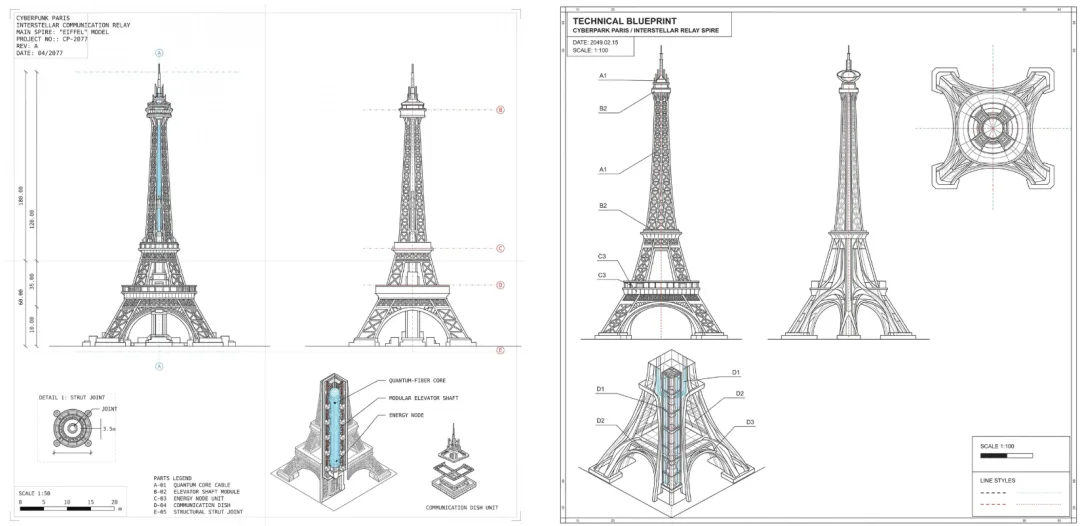
Transform the Eiffel Tower in Paris into a futuristic interstellar communications relay station in a cyberpunk world, and present it in the form of a professional architectural CAD blueprint.
Ultra-fine vector linework, strictly symmetrical architectural structures, complex sectional designs, and even dense engineering details—all must be included.
The result left all the testers amazed!
Faced with such a complex prompt, MiniMax H3 Image displayed unexpectedly impressive detail rendering and demonstrated clear instruction-following ability.
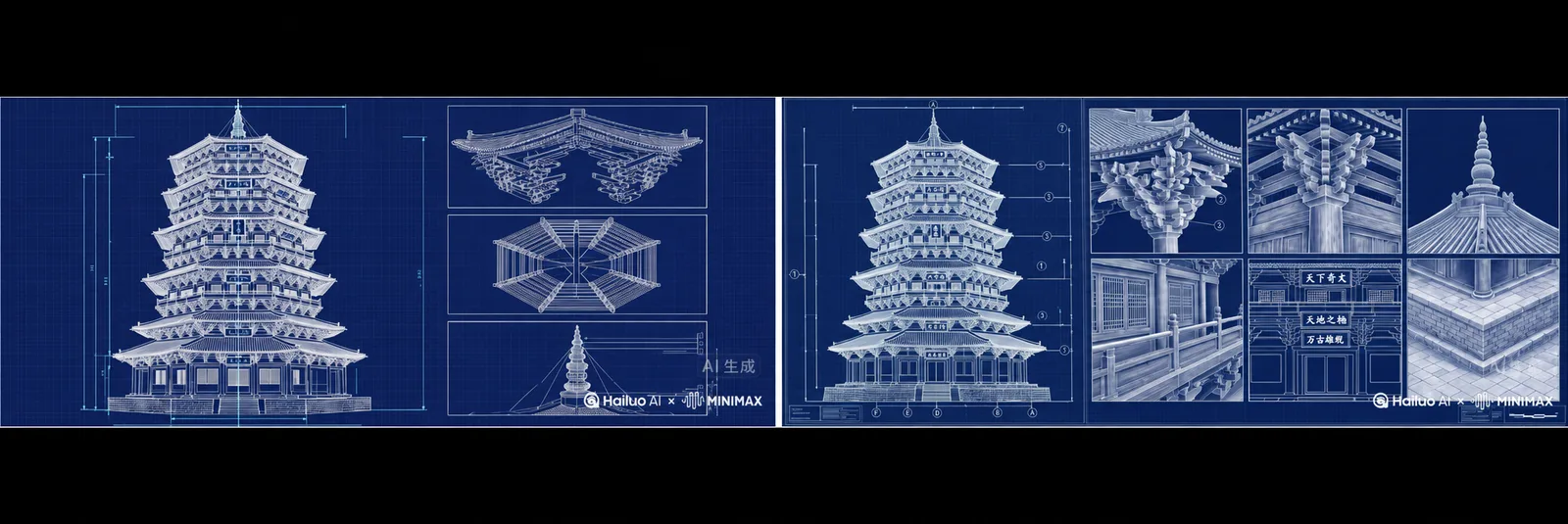
The Yingxian Wooden Pagoda was no problem either—it can generate genuinely construction-ready blueprints:
Next, the challenge was escalated to test spatial awareness:
A first-person perception HUD from a quadruped inspection robot dog in the ruins of a post-earthquake disaster area. The foreground must feature the mechanical legs in edge perspective, while the middle ground shows the debris of collapsed buildings. A 3D point-cloud ranging grid must be overlaid on the image, and a red 3D bounding box that fits snugly around the edges of a specific concrete beam-and-column obstacle in the distance must be drawn. Symmetrical body-tilt attitude indicators appear on both sides of the interface.
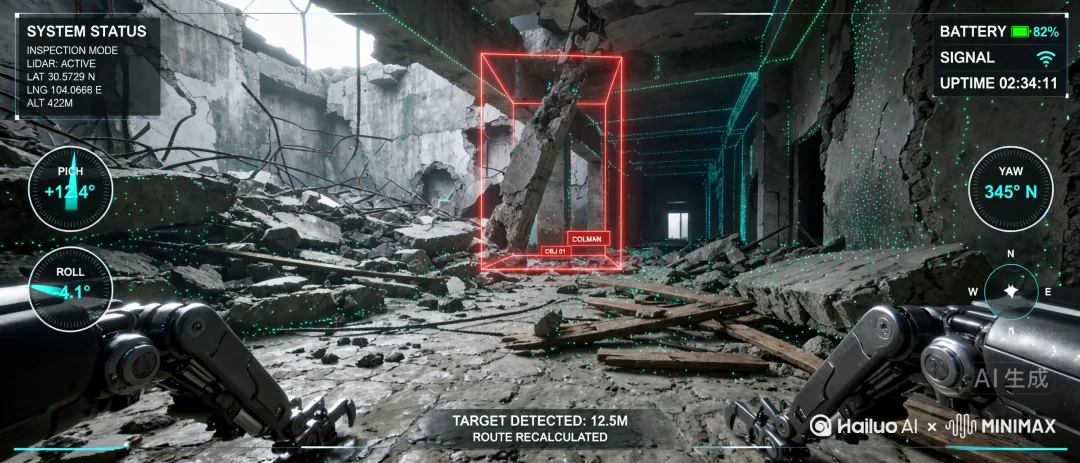
Images like this are easiest to turn into “sci-fi stickers”: the box is a box, the building is a building, and neither touches the other. This one is different. The red bounding box follows the perspective and hugs the edges of the collapsed beam and column in the distance; the scales on the attitude indicators on both sides also match the robot dog’s forward-leaning posture. It first constructs a three-dimensional space in its mind and then places objects within it.TAG387@@
Industrial design assistance, synthetic data for embodied intelligence—work that depends on spatial awareness and realistic detail now looks promising.
Question two: If the brain works well, will the hands freeze up?
Science students fear nothing so much as being told that their drawing “looks like an engineering diagram.” So the second question switches to pure art:
A next-generation dark fantasy action game in-game interface screenshot.
In the background, a knight clad in battered heavy armor stands at the edge of a cliff amid ruins made of enormous skeletal remains; in the distance, a black sun is breaking apart, with extremely dense volumetric fog and ray-traced reflections. The foreground features a complete game UI system: in the lower-left corner are a dark red blood orb and blue mana bar framed by Baroque metal filigree; along the bottom of the screen are five stone-carved rune ability icons with countdown cooldown effects; and in the upper-right corner is a parchment-style minimap covered in translucent mist.
The overall color palette is cold, somber, and muted.
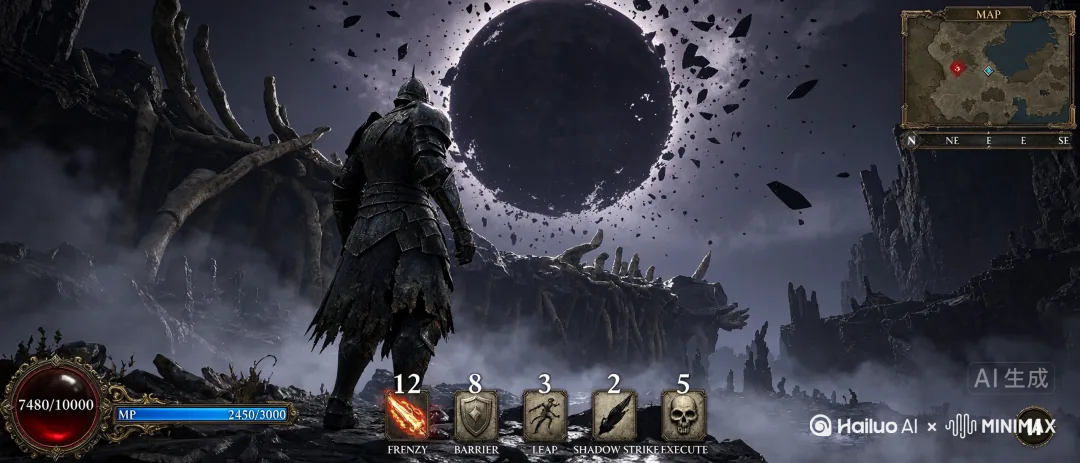
Prompts like “a game scene plus a complete set of UI” tend to fail in two common ways: the UI blends into the background, or the UI is preserved while the protagonist falls apart.
This one is very solid. The image has an ultra-detailed dark-fantasy 3D CGI aesthetic. A huge, oppressive “black sun” dominates the sky, its edges fractured, with countless black meteors/fragments drifting and scattering outward. The ground is a barren expanse of jagged gray-brown rock and bones, while dense, cold-gray fog hangs over the abyss. The image is epic and desolate.
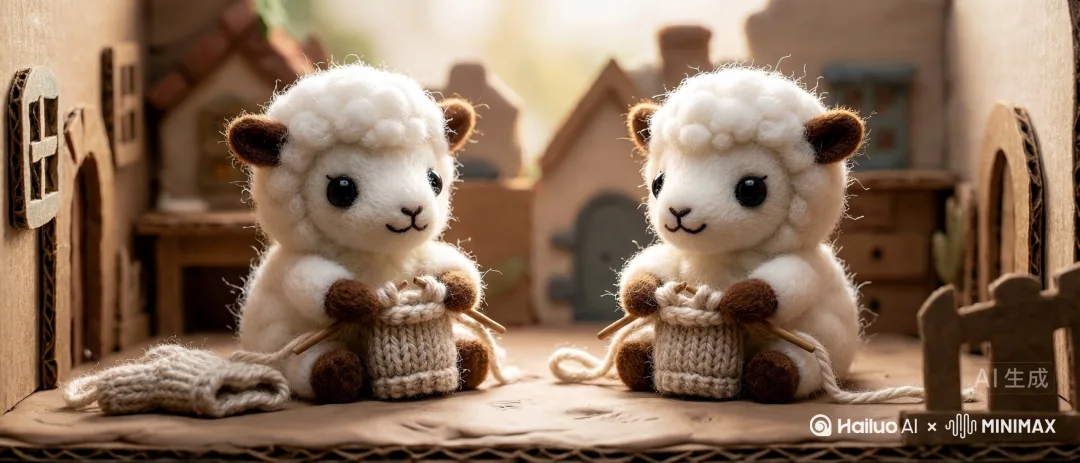
Next, we switched to a handmade approach. In the felt stop-motion scene, two lambs wearing chunky knit sweaters glow in the backlight; even the fingerprints on the clay base and the fuzzy edges of the cut cardboard are visible. These rich details make the image look more realistic and expand the range of applications for the image model.
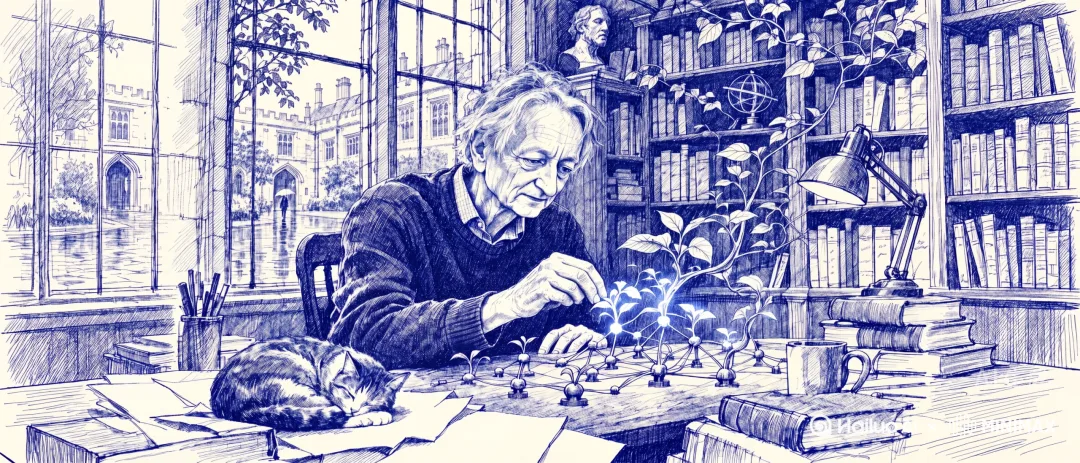
We also tried pen-and-wash. You can see the varying pressure of the pen strokes and the water marks left as the watercolor settles into the textured paper, without the greasy digital look typical of AI images.

Question 3: Feed It 16 Images in One Go
The first two questions tested single-image capabilities. The third tested the issue that gives professionals the biggest headache: consistency.
Anyone who has created game assets, e-commerce images, or comic series knows the problem: once there are multiple reference images, the model starts “mixing things up.” A’s face grows onto B’s body, the armor’s color bleeds into the background, and all you can do is keep rerolling.
H3 Image can take in up to 16 reference images at once, so we maxed it out: eight multi-angle facial close-ups and expression images of an original 3D character, four detail and material images of mechanical prosthetics and powered armor, and four images defining the lighting and color palette of a race-car repair workshop.
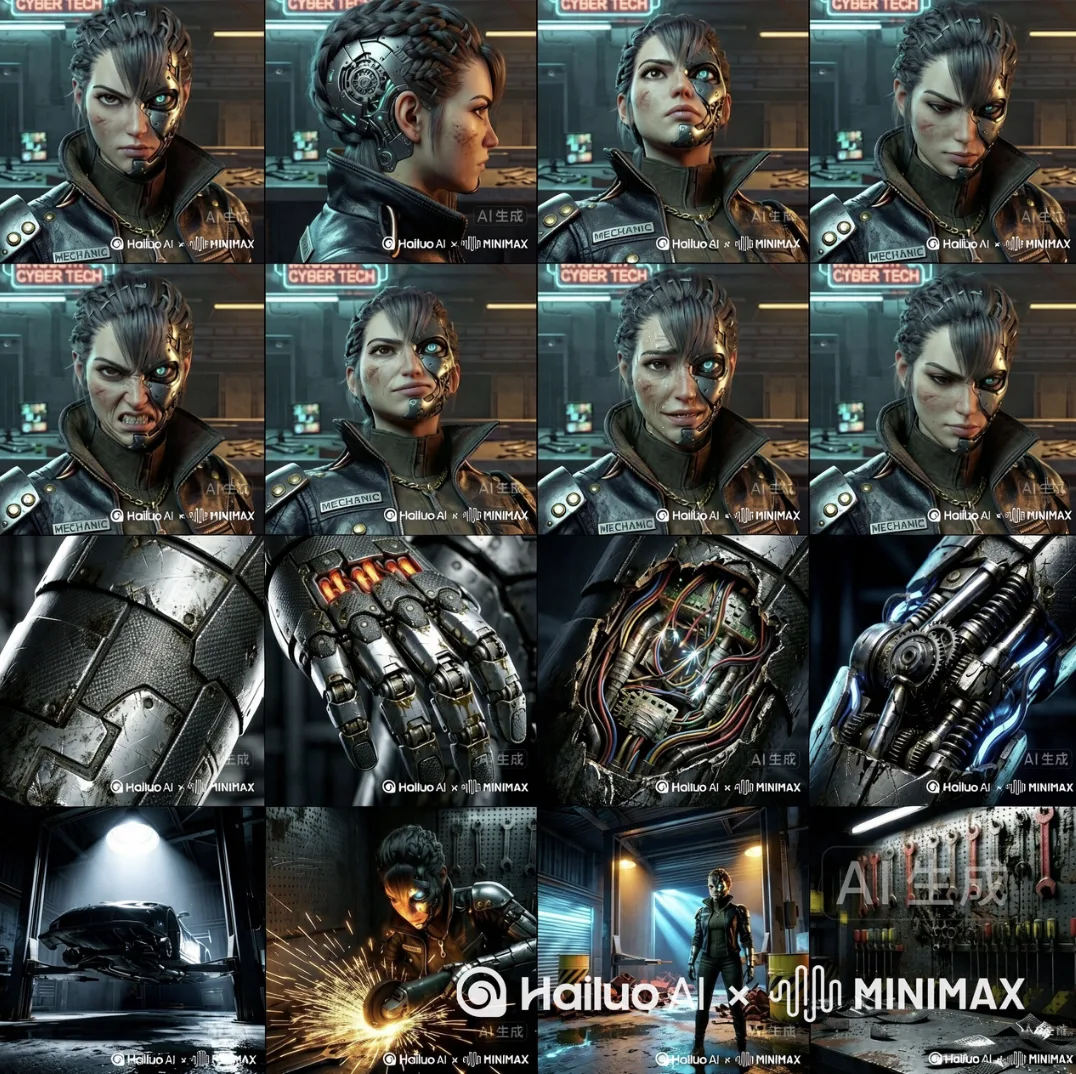
Then we gave it only one sentence: “The character is wearing this powered armor and is sitting on a workbench in a race-car repair workshop, calibrating a mechanical arm with a focused expression.”
In the resulting image, the face is still the same face: the contours of the facial features and the hair color all match. The armor’s joint latches and hydraulic lines follow the structure shown in the exploded diagram, while the overall color temperature and reflections fit within the workshop’s palette.
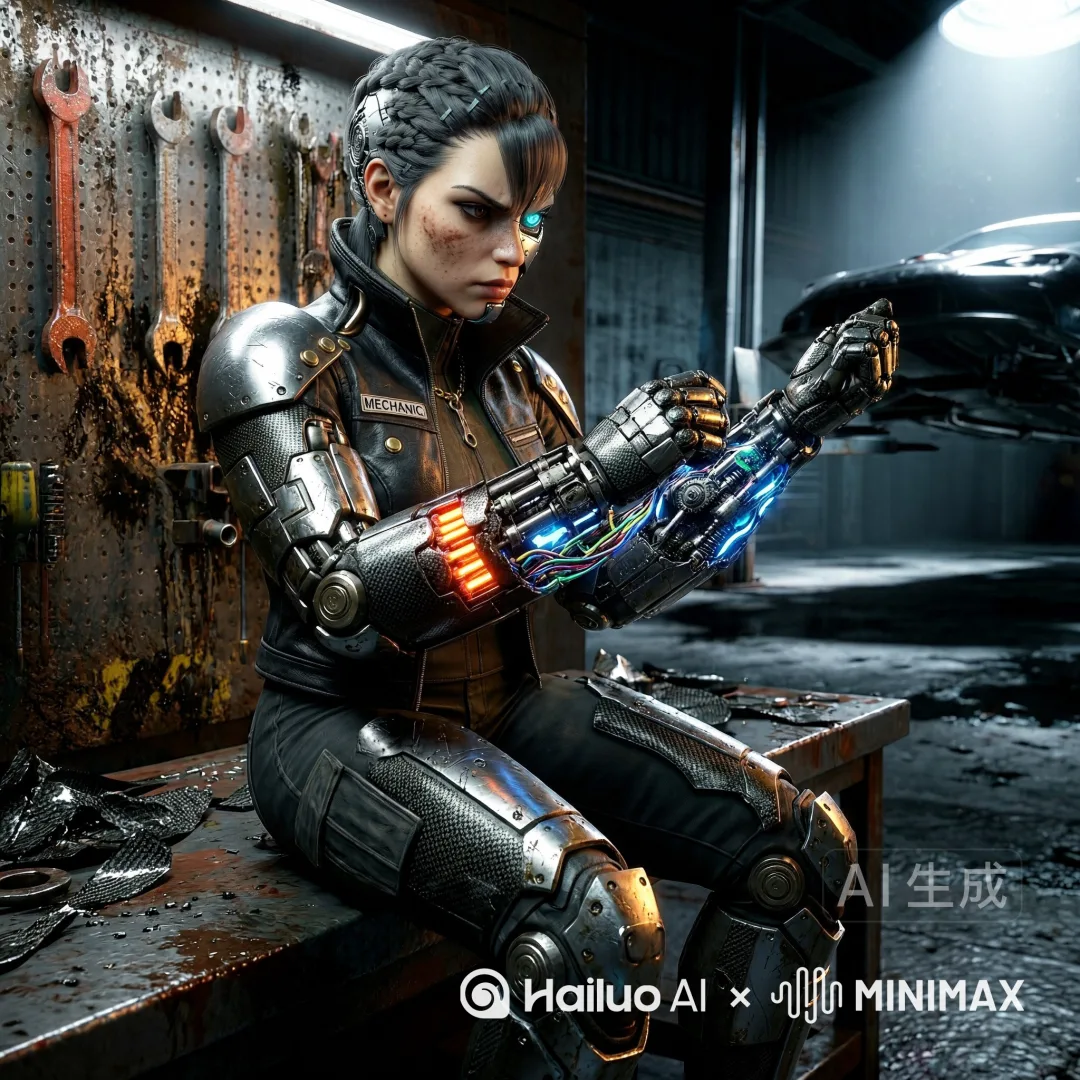
It did not simply mash the 16 images together. It seemed instead to sort them out and understand who was the person, who was the equipment, and who was the environment, then stage a new scene according to the new instructions. Throw three-view drawings, a wardrobe library, props, and scenes at it all at once, and it can generate storyboards and e-commerce images in batches, with fewer rerolls. For people who depend on this for a living, that is far more practical than making the output “10% better-looking.”
After running all three tests, my takeaway was:The first half of image generation is about who can draw more beautifully; the second half is about who can better understand what people are saying.
We also tried the exploded diagram shared by people overseas in Harness. The only input was a single page of ORB-7 structural references: a front view, a central cross-section, and a parts list, all presented in flat, diagrammatic engineering language.
The instruction was to disassemble this miniature searchlight along its optical axis into seven parts. The order had to be correct, and there could be only three screws.
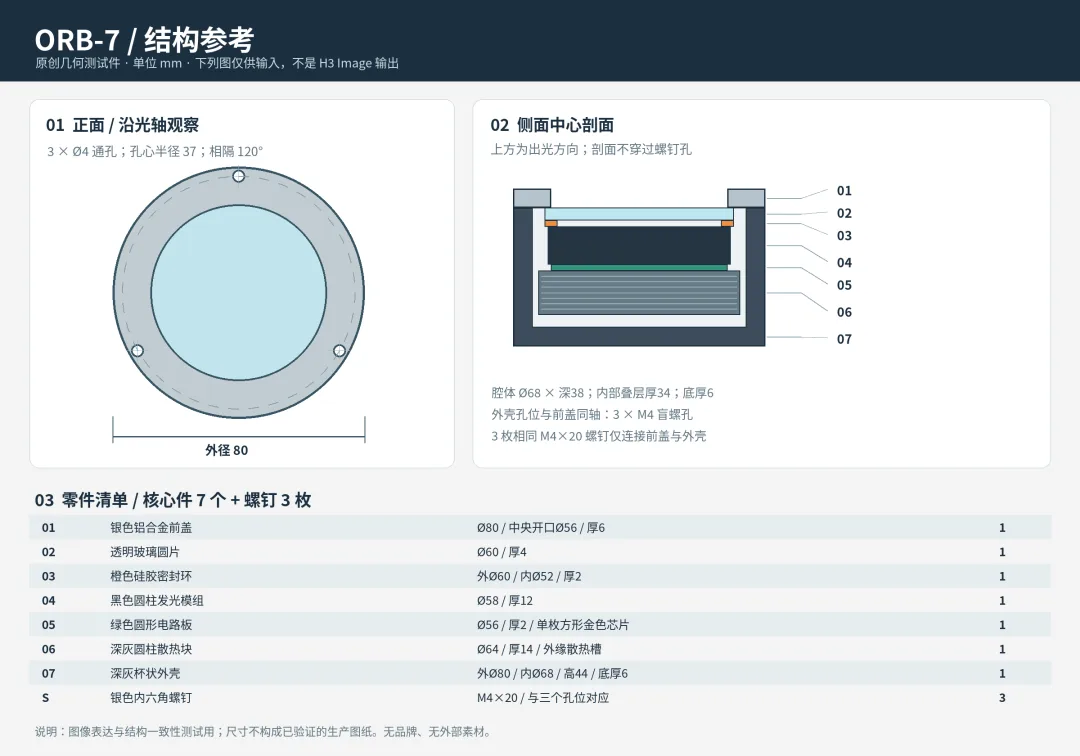
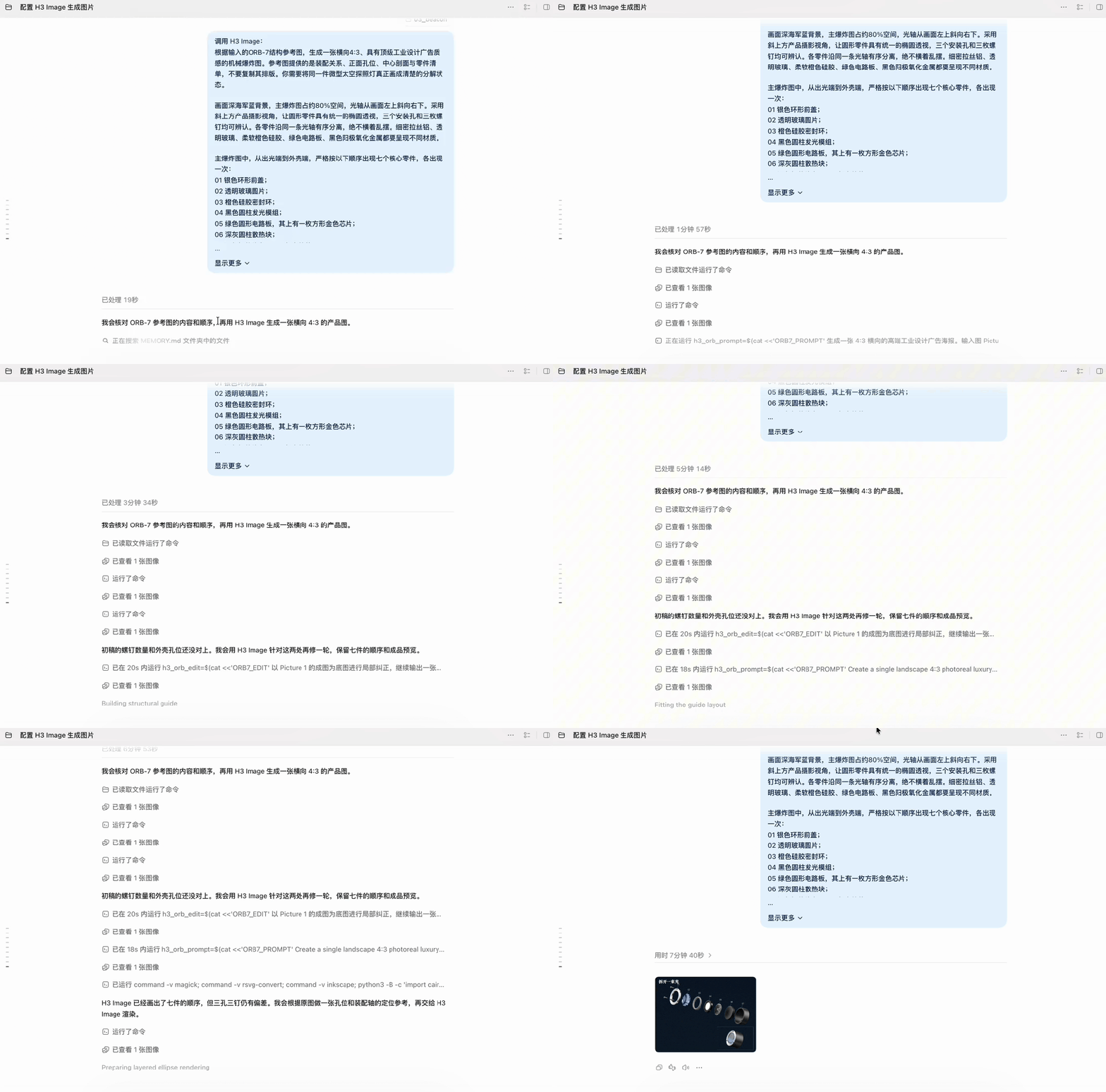
In the resulting image, seven components are lined up from the front cover to the outer casing. Not one of the leader lines from 01 to 07 points to the wrong part, and there are three screws and three hole positions as well.
Brushed aluminum, glass, orange silicone, a green circuit board, and black anodized metal each have their own distinct material quality. Details buried in the fine print of the parts list, such as the square gold chip on the circuit board and the cooling fins around the edge of the heat sink, were also brought to light. As requested, a small image of the fully assembled product was also placed in the bottom-right corner.
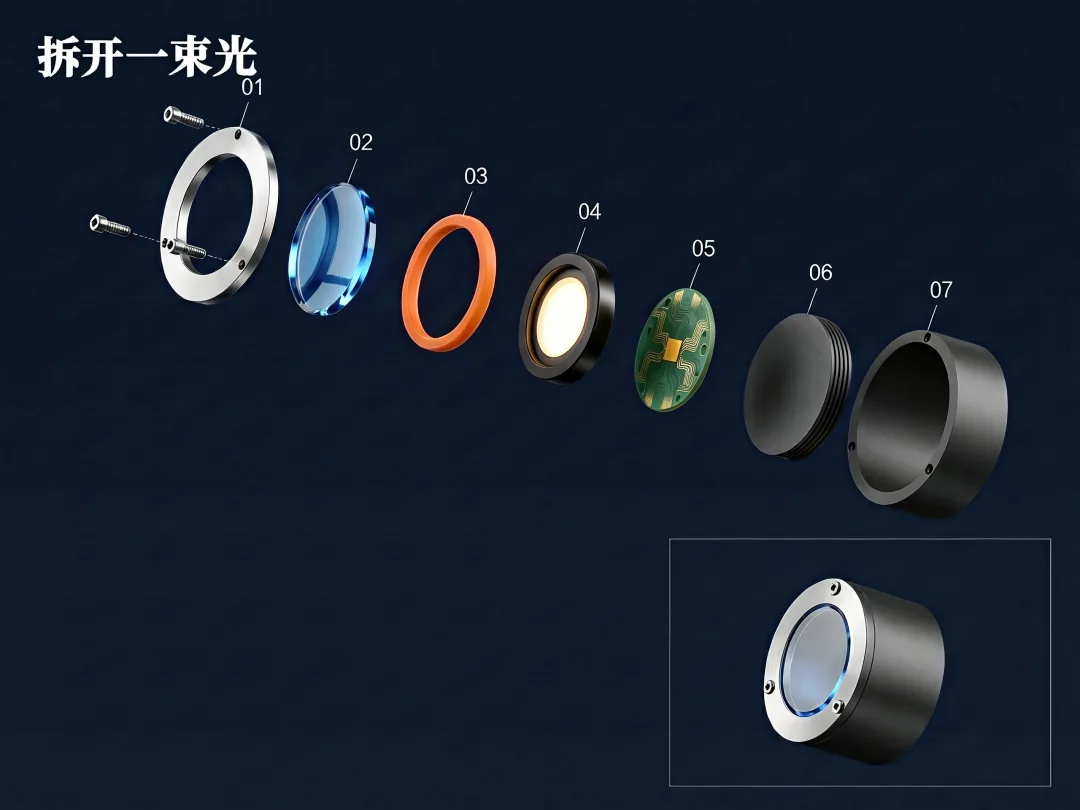
It first understood the cross-sectional drawing, knew what object needed to be disassembled, and then took it apart.
Interpreting technical drawings was something previous image-generation models found very difficult to “see” and understand.
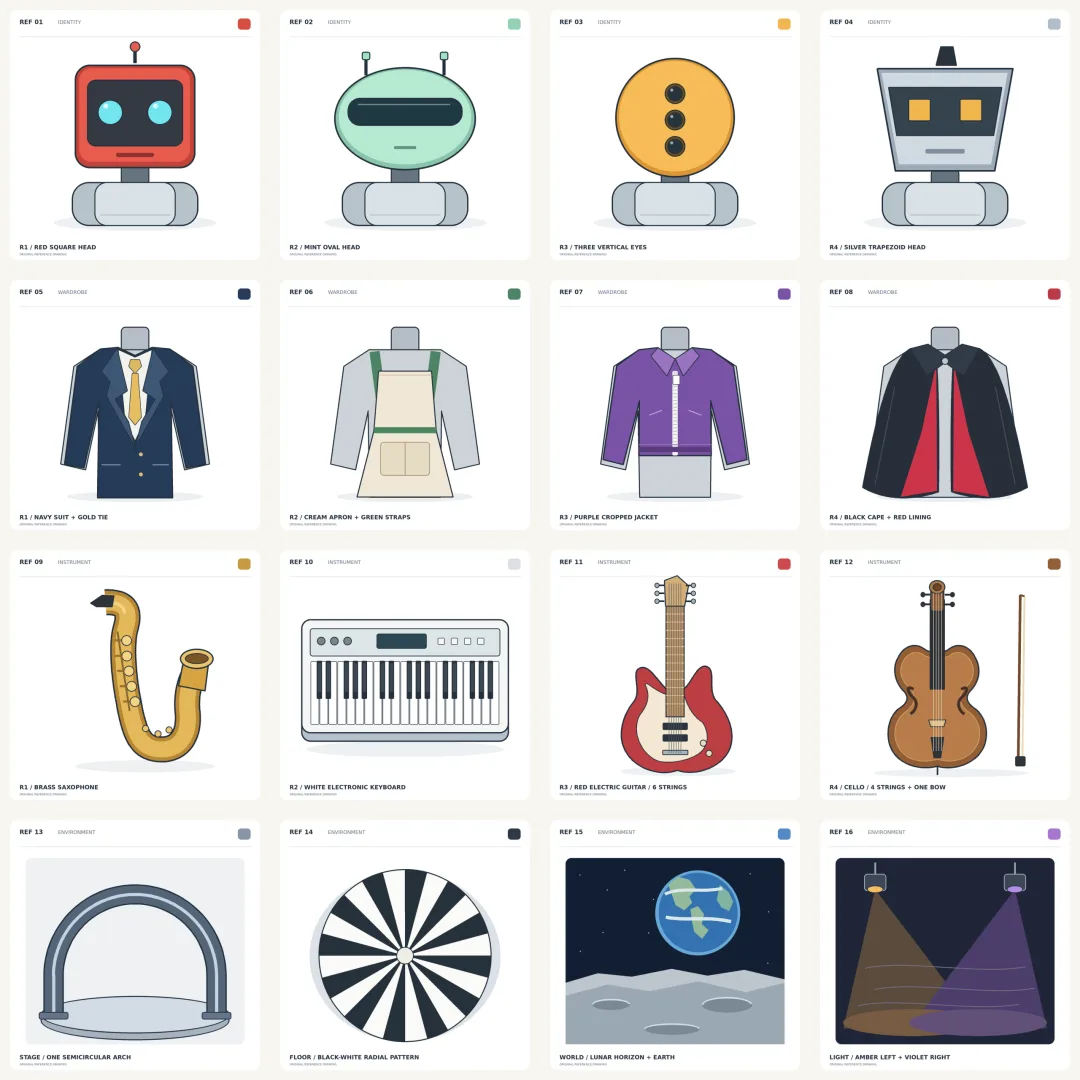
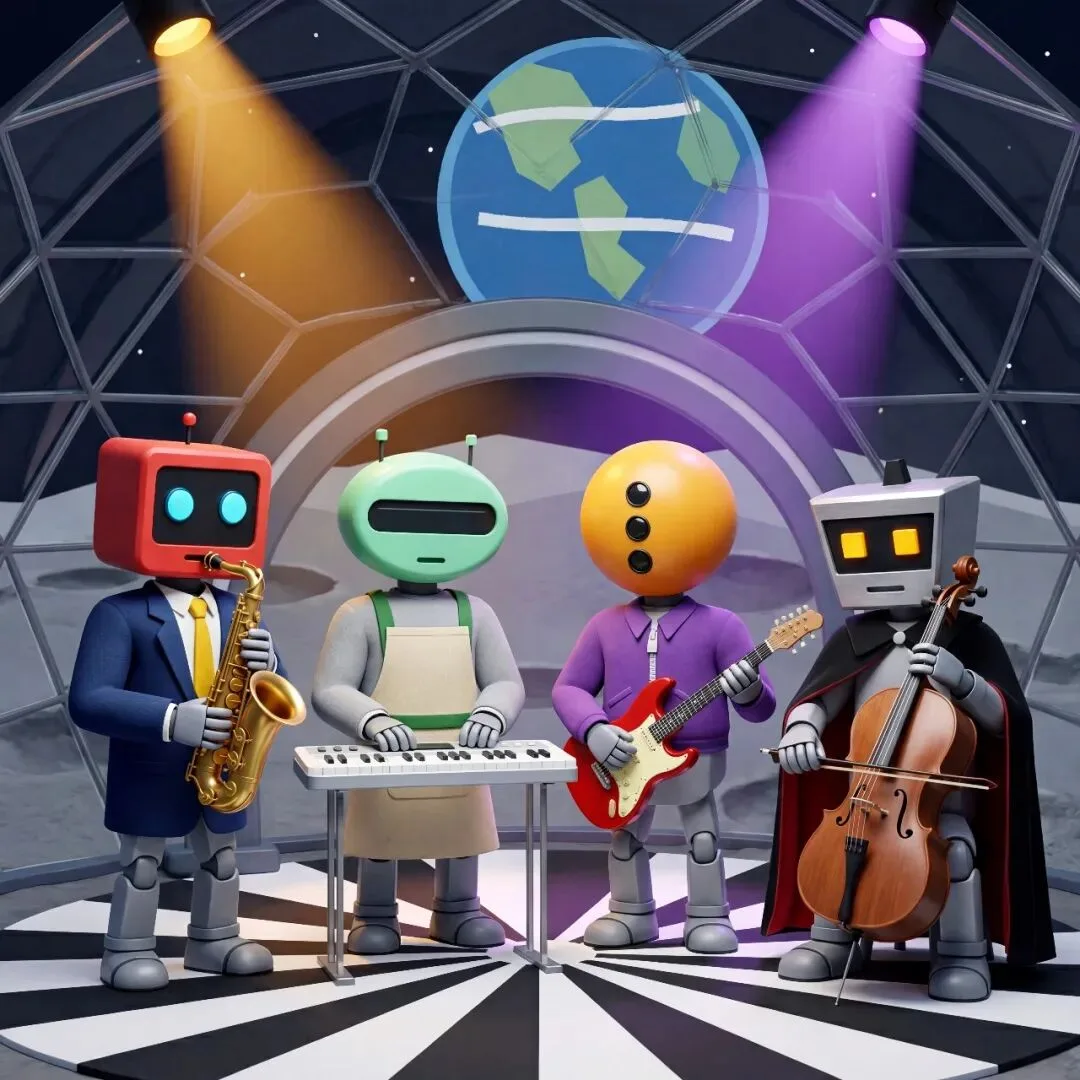
Next, we directly gave H3 Image 16 reference images. We deliberately turned the task into a matching challenge: four robot heads, four outfits, four instruments, plus one image each of an arch, a floor, the lunar surface, and lighting. Every item had to be paired correctly, with no mix-ups whatsoever. In the result, not a single pairing was wrong.
 |
 |
Where does this “brain” come from?
This “brain” was built up in two steps.
The first step took place with H3. From the beginning, H3 was not merely a video model. It had to understand text, images, video, and audio as a single shared context before generating images or videos.
So it had already mastered the fundamentals of image understanding as early as the pretraining stage.
The second step was H3 Image. With the foundation in place, MiniMax focused its efforts on the post-training pipeline this time.
Reinforcement learning was used to have the model repeatedly refine its output toward better results and reduce the number of steps needed to produce an image. A layer of prompt enhancement (PE) was then added: when you say something casually, it first completes and expands your prompt for you before creating the image.
Finally came deployment optimization, making it run more efficiently and faster.
MiniMax had long telegraphed this path.
In the community Q&A on August 7, the H3 team said it would build an image model that unified generation and editing.
How Does the “Open-Source God” Make Its Money?
H3 attracted a rush of modifications because it had been opened up so generously.
Developers in China call vendors like this the “Open-Source God,” and H3 is what earned MiniMax that reputation: less than a month after open-sourcing, downloads surpassed 24 million, with more than 300 derivative models publicly available.
fal built H3 Max on it, and overseas developers used it to create a 24-hour, nonstop “AI TV station.” Researchers from NVIDIA and MIT open-sourced the video enhancement project Open-H3-Regenerate-2K based on it on October 28, and released another update on November 9. Pika also released its own modified version.
But if it’s open source, where does the money come from?
MiniMax’s approach, translated into plain language, is:Small businesses can use it freely; once you scale up, we’ll talk..
Under H3’s community license, businesses with annual revenue of $20 million or less can use it commercially for free in regions covered by the agreement; above that threshold, or to deploy it in the United States, European Union, United Kingdom, or South Korea, they must seek separate authorization from MiniMax.
For example, Comfy, the company behind ComfyUI, is already brokering such authorizations, with its Pro tier starting at $5,000 per month; NVIDIA’s research team is also using separate licensing.
First, let engineers around the world run it on their own GPUs; trust grows from the code, and business follows. Over these three months, H3 has demonstrated at least one thing:open source and making money are not at odds.
Demand for images is far more pervasive than demand for video—game concept art, e-commerce imagery, and industrial design are used every day. Apply the same playbook here, and the possibilities will be even greater.
The last line of H3’s open-source announcement was MiniMax’s long-standing slogan: Intelligence with Everyone.
Locking capabilities behind a subscription wall is one way to make a living; putting the key in everyone’s hands is another.
The H3 Image model weights, API, and access points on platforms such as Mcode are now available.
Editor: Solomon David
Follow ASI in seconds
⭐Like, share, and favorite with one click⭐
Light up the star and stay tuned for Synced’s lightning-fast updates!