
Chinese AI developer Moonshot AI, which develops the Kimi artificial intelligence models, has negotiated the rental of computing capacity in European data centers equipped with advanced Nvidia chips. The talks involve Blackwell systems, whose direct export to China is restricted by the United States.
According to sources heard by CNBC, the company intends to access the components remotely through cloud computing services, a modality that still has gaps in U.S. legislation.
 Cloud providers that buy Nvidia chips pass on computing capacity through lease agreements. Commercial proposals called for upfront payments that were 30% to 50% higher for clients from China. – Image: Saulo Ferreira Angelo/Shutterstock
Negotiations involve thousands of Blackwell chips
Four people familiar with the matter told CNBC that Moonshot negotiated possible contracts this year with companies known as neoclouds. These companies rent computing capacity from cloud computing facilities equipped with Nvidia GPUs, allowing clients to use the chips without having to install them in their own data centers.
In the talks, the Chinese company showed interest in renting capacity from clusters with 8,000 or more Blackwell GPUs installed in Europe. The goal would be to expand access to computing power to operate its artificial intelligence models.Two sources heard by CNBC specifically mentioned using the equipment for inference, the stage at which models process information and respond to users’ requests. One also reported interest in capacity intended for model training.
The pursuit of these resources was described by one source as “very aggressive.” The move comes after the White House said in July that Moonshot had remotely accessed Blackwell chips through a facility in Thailand. According to people familiar with the matter, discussions about renting capacity at European data centers began after that statement.
Moonshot’s interest also highlights a challenge for U.S. export-control policy. U.S. rules restrict shipping Nvidia’s most advanced chips directly to China, but current law does not give regulators broad powers to control remote access to those components when they are installed in cloud computing services hosted in other countries.
Demand for Kimi strains the company’s infrastructure
Founded in 2023 and headquartered in Beijing, Moonshot AI is among the leading Chinese developers of artificial intelligence models. In July, it launched Kimi K3, a model that, according to the company itself, narrowed the gap with Anthropic and OpenAI systems.
The tool gained traction as a lower-cost alternative to U.S. solutions.The increase in demand put pressure on the company’s infrastructure, which temporarily suspended new subscriptions to prioritize existing users.
In a LinkedIn post, the company said it was “adding capacity as quickly as possible and we will reopen the slots for new subscriptions in batches.”
Demand for computing power is also evident in the commercial terms being discussed. In this market, customers generally prepay a portion of the total contract value to secure access to the infrastructure.
One of the sources heard by CNBC said it had been proposed that Moonshot pay between 30% and 50% more upfront than a non-Chinese customer. Agreements with Chinese companies may result in larger upfront payments because cloud operators and financiers seek to protect themselves against a potential future ban on remote access.
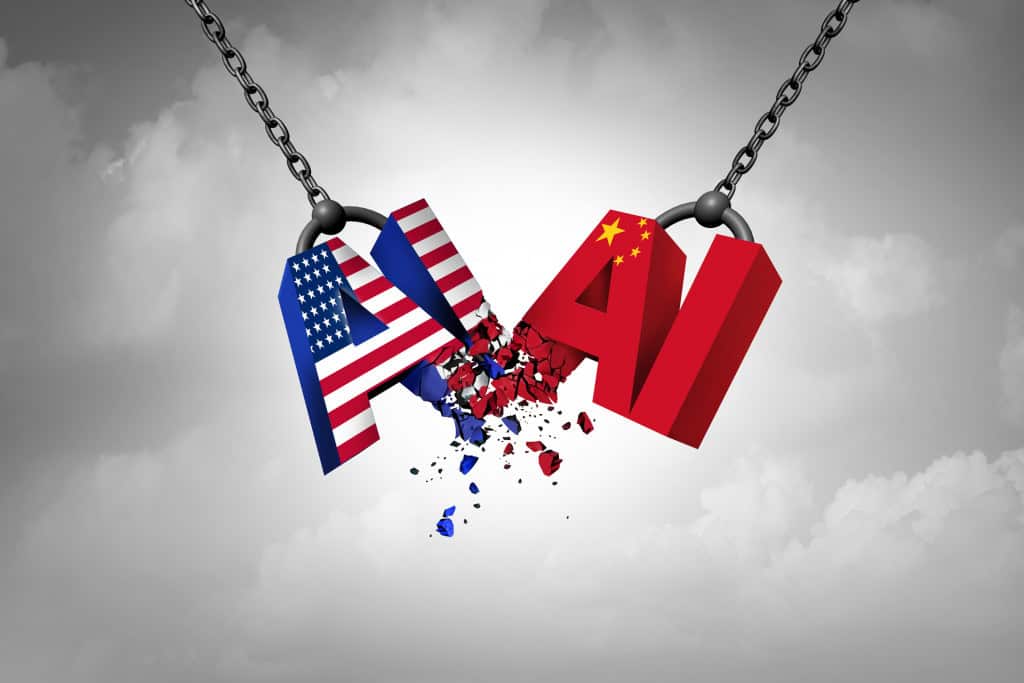 The US Congress is considering the RASA bill to bar foreign companies, primarily Chinese ones, from remotely accessing cloud chips. – Image: wildpixel/iStock
The US discusses expanding controls on remote access
The possibility of Chinese companies using American chips through overseas arrangements is also at the center of regulatory discussions in Washington. Lawmakers have proposed the Remote Access Security Act (RASA), a bill that aims to expand export controls to include remote access through cloud services to strategic equipment and software. The proposal was approved by the House of Representatives in January but has not yet passed the Senate.
Other developments help gauge the pressure on the sector:
- The Financial Times reported that Nvidia told cloud providers that at least 51% of the services should be allocated to non-Chinese customers.
- The manufacturer argued that the American artificial intelligence infrastructure needs to maintain a competitive presence in the global market.
- In August, Washington authorized some sales of H200 chips, an earlier generation, but the transactions were subject to restrictions by the Chinese government, which is interested in strengthening domestic semiconductor manufacturers.

Valdir Antonelli is a journalist specializing in digital marketing and consumer matters.


