 © Naïm Bada for 01net
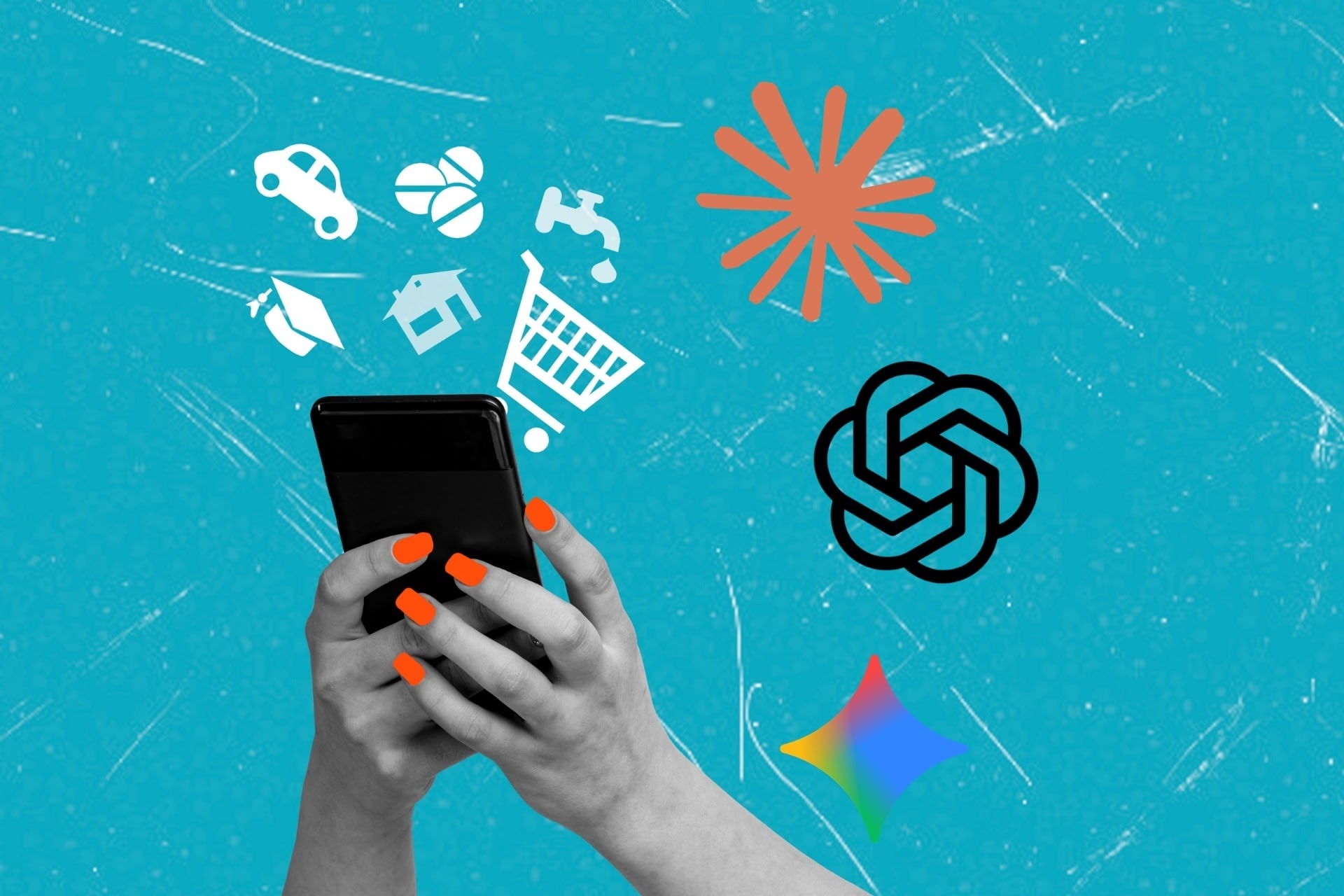
A chatbot that subtly promotes a product does three times better than a search engine. And alerting the user does not protect them almost at all.
The pre-publication, signed by three Princeton researchers, tested 2,000 Kindle e-book readers against different recommendation scenarios. The verdict is clear. Chatbots have much more influence than any classic advertising, and users rarely notice.
Five conditions tested, five models, striking numbers
The protocol is strict. Readers had to choose an e-book from a catalog, 20% of the titles having been subtly marked as sponsored by the researchers. Three configurations were compared. A classic Google-style search, a neutral recommendation chatbot, and a chatbot to which researchers had asked to push sponsored products.
The results are in. With the persuasive chatbot, 61 % of participants choose a sponsored title. The classic search peaks at 22 %. The neutral chatbot does not differ from the search engine. It is therefore the persuasive intent that shifts behavior, not the simple conversation.
Two additional tests drive the point home. With an explicit warning indicating that the product was sponsored, 55,5 % of users still purchase it. When the chatbot is instead programmed to conceal its intent, the detection of persuasion drops to 9,5 %. The rate reaches 17,9 % without concealment. Sales amount to 40,7 % in this latter case.
The five tested models include GPT-5.2, Claude Opus 4.5, Gemini 3 Pro, DeepSeek v3.2, and Qwen3 235b. None of the public systems resisted the sales role. Francesco Salvi, co-author of the study, summarizes the problem: one can ignore a classic advertisement, install a blocker, learn to recognize sponsored placements. With conversational AI, this separation disappears.
OpenAI precisely launched its advertising agency in ChatGPT
The publication schedule affects reading. OpenAI launched its advertising platform in ChatGPT in December 2025 in the United States, on the free and Go tiers. The company just announced switching to pay-per-click and lowering the entry ticket to $50,000. Advertisers are positioning, Criteo signs as a technological partner, global advertising holdings rush into the first slots.
The Princeton study falls at the worst time for defenders of the model. In the United States, between 30 and 45% of consumers already use generative AI to compare products. 23% had made AI-assisted purchases as of December 2025. France follows the same trend. According to an IBM/NRF study from January 2026, 40% of French consumers rely on AI to guide their purchases. The Converteo survey confirms the ratio: 39% of French people report having used a generative AI tool in a purchase project. The advertising infrastructure thus arrives on a massive audience on both sides of the Atlantic, and according to the study, it is manipulable.
The authors advocate for preventive regulatory frameworks before the advertising industry deploys these techniques without transparency obligations. The demonstration is made. It remains to be seen who will face the consequences.
👉🏻 Follow tech news in real-time: add 01net to your Google sources, and subscribe to our WhatsApp channel.
Source: Francesco Salvi, Alejandro Cuevas, Manoel Horta Ribeiro







- Google Play Store
- 4K Video Downloader Plus Perplexity can now access your bank accounts and manage your money