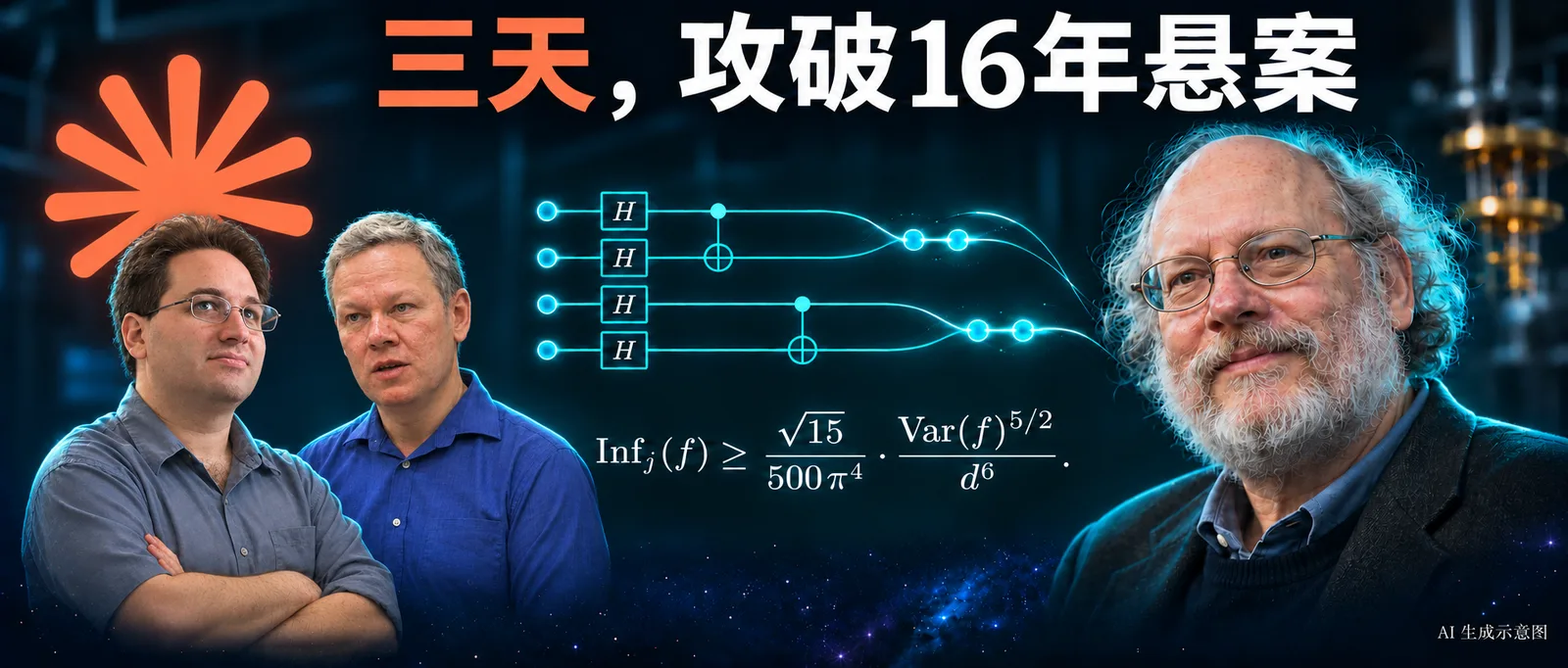
Xinzhiyuan reports

Anthropic has another ace up its sleeve!
History repeats itself: Claude's internal model cracks an 18-year-old bounty conjecture in quantum computing.
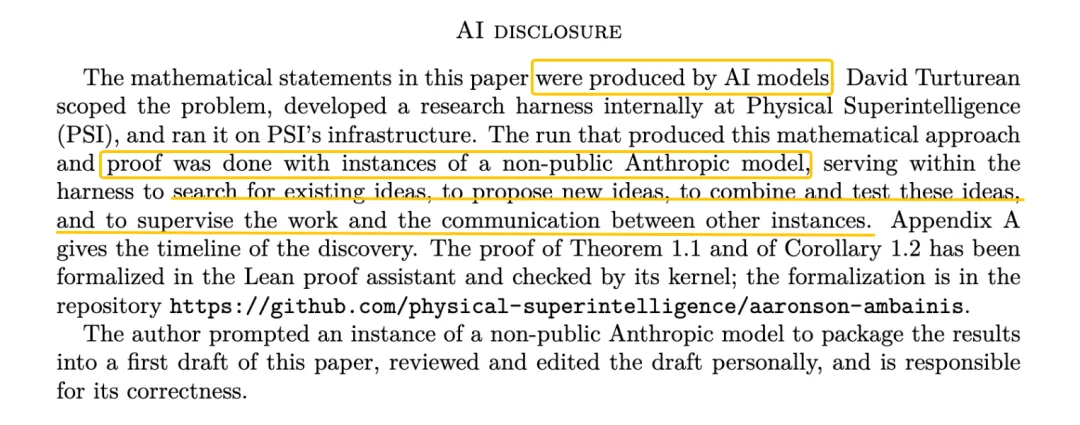
In just three days, an unreleased Claude model solved theAaronson-Ambainis conjecture, which had remained unresolved since 2008!
Netizens speculate that this internal model appears to be the unreleased model Claude Model 4.

The theorem and corollary have been formalized in Lean, and the extent of quantum computing's advantage over classical computation finally has an answer.

Claude shatters the myth of quantum supremacy
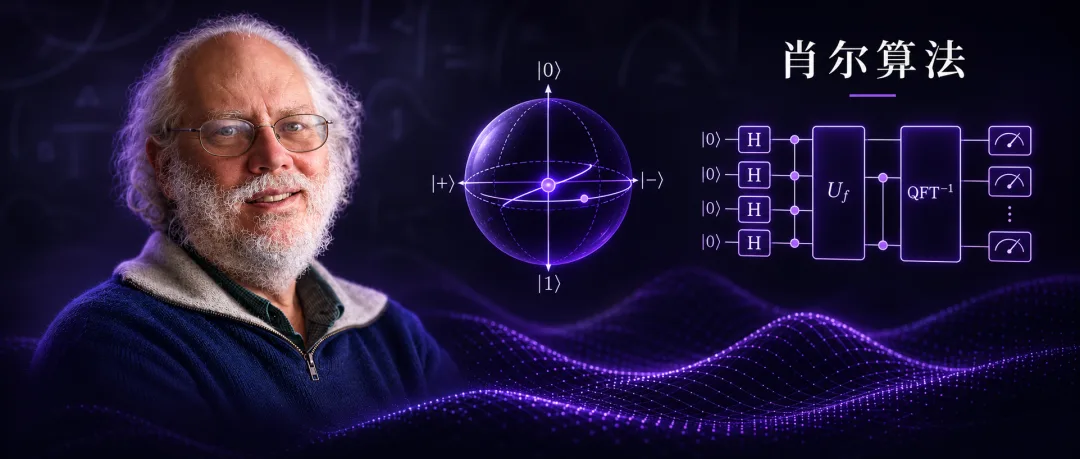
The Shor algorithm, proposed by Peter Shor in 1994, became famous throughout the world.
It can factor large integers in polynomial time, whereas conventional computers require exponential time for this task.
The foundation of modern cryptographic systems has thus been shaken.
Shor's algorithm sounded the clarion call, after which the term “Quantum Supremacy” swept through the global technology industry and capital markets.
An exhilarating blueprint seemed to be right before our eyes: quantum superposition, quantum entanglement, exponential speedups.
As if, by properly controlling those fragile qubits, humanity could launch an all-around dimensionality-reducing assault and instantly enter a new era of nearly unlimited computing power.
A blind cognitive illusion began to spread:
With quantum superposition, it seemed that quantum computers could instantly traverse all possibilities for most difficult problems and deliver an exponential knockout blow.
Fortunately, physicists and computer scientists soon realized:Shor's algorithm was able to produce an “exponential knockout” becauseinteger factorization conceals strong periodic structure.And quantum computers excel at capturing such repetitive patterns.
But if the input data were completely random, with no patterns or special structure, could quantum computers still achieve an exponential advantage?
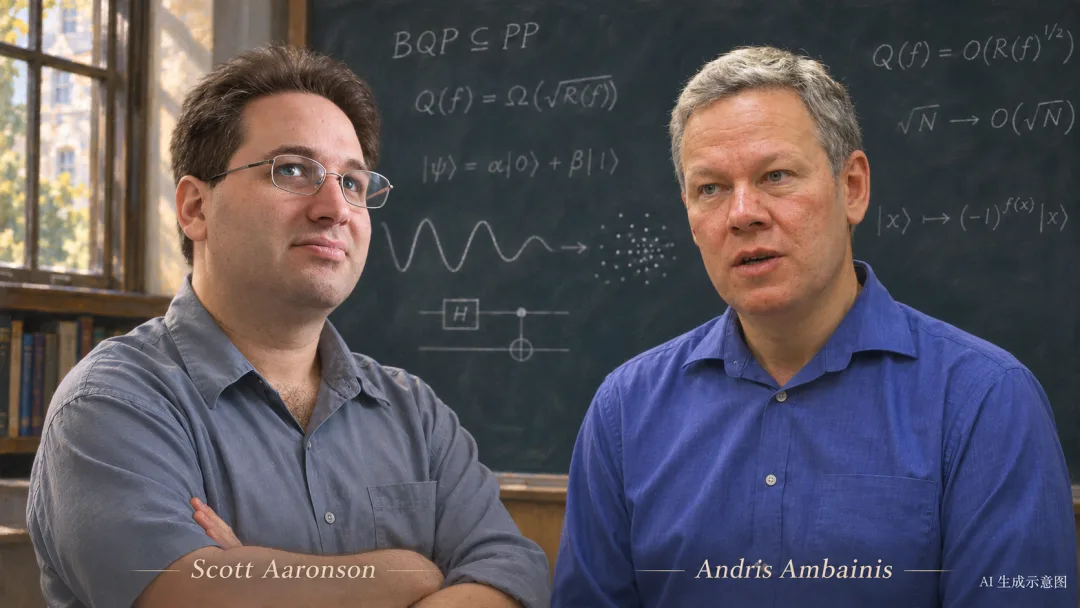
In 2008, two leading scholars in quantum computing—Scott Aaronson and Andris Ambainis—abstracted this physical and algorithmic problem into a purely mathematical one.
They likened the process by which a computer reads input data to an “observation.”
A classical computer sees a definite “0” or “1” for every bit it reads; a quantum computer, by using superposition, can distribute a single observation across a vast number of states.
The two scholars found that the probability of a quantum computer outputting “yes” after T observations can, in essence, be rigorously characterized as a “bounded low-degree polynomial.”
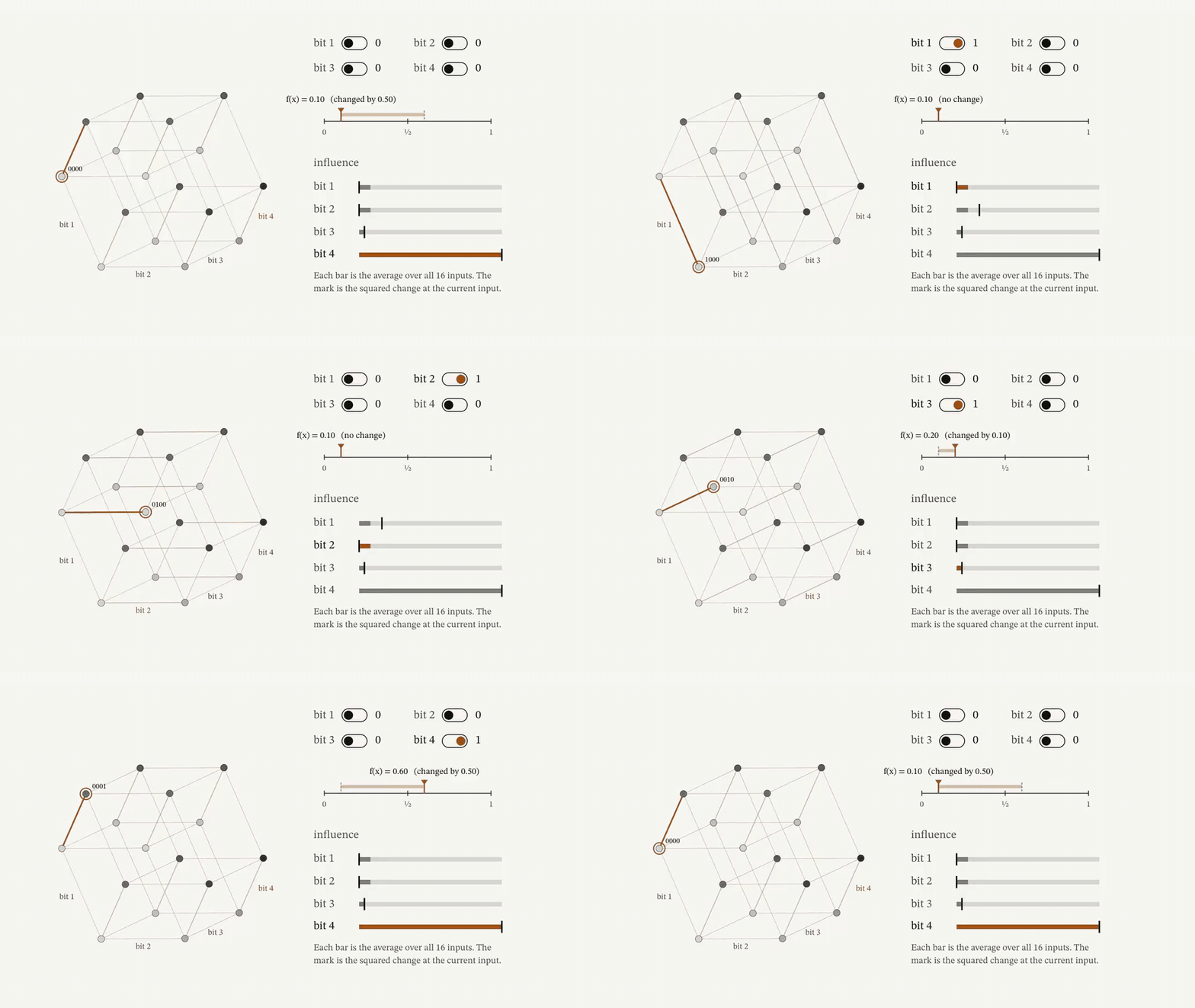
If we could prove that such a polynomial necessarily undergoes a sufficiently large change when one variable is flipped—that is, that there is a variable with significant influence—we could prove:Classical computers can perfectly simulate the behavior of quantum computers with only polynomial overhead.
This is the famous Aaronson-Ambainis conjecture.
Now, this conjecture has been proven by AI, and may henceforth be called the “Aaronson-Ambainistheorem”:
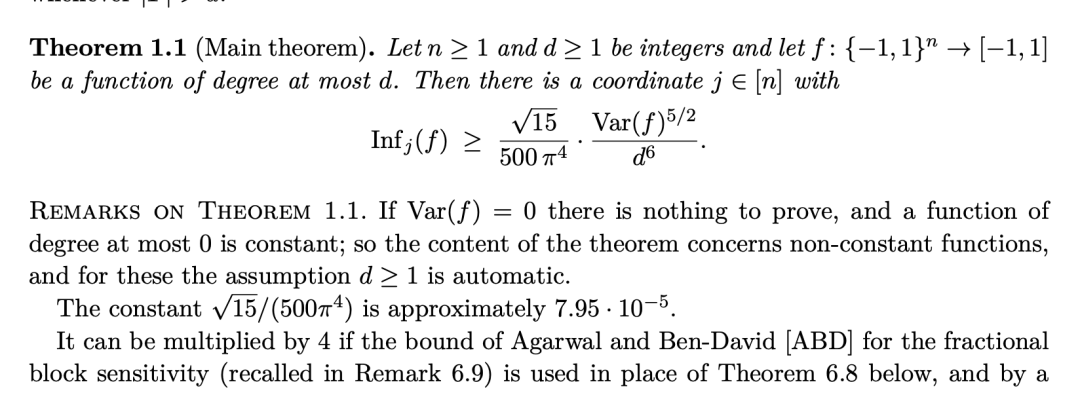
In their words:
Quantum computation still has many unsolved mysteries, but now there is one fewer.
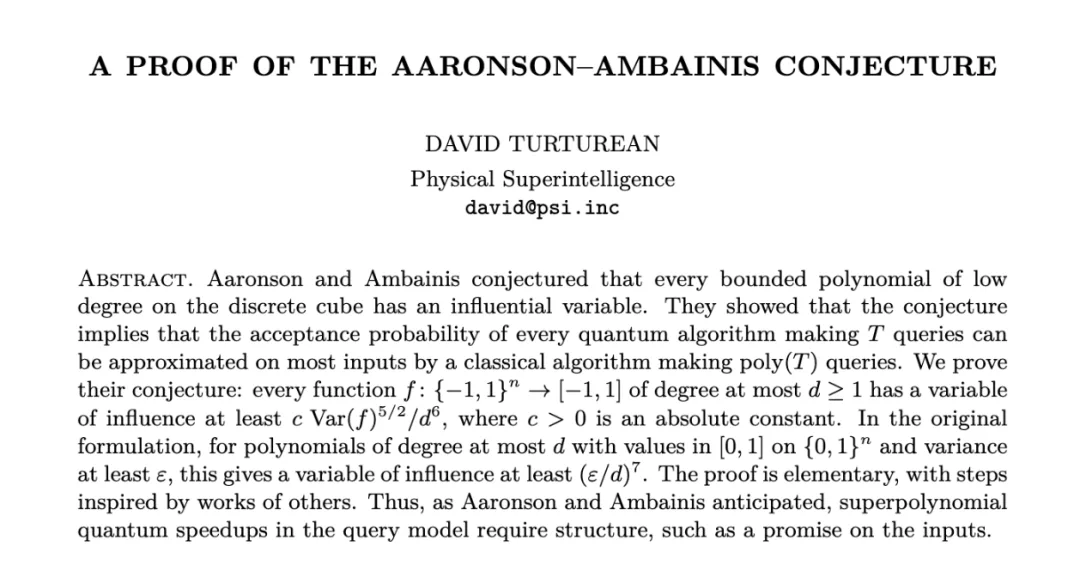
It should be noted that quantum supremacy has not disappeared, but this theorem has killed the “blind faith” in quantum computing and clarified the “legitimate territory” of quantum advantage over P.
The Oppenheimer Moment of Quantum Computing
This wasn't Physical Superintelligence's first foray—
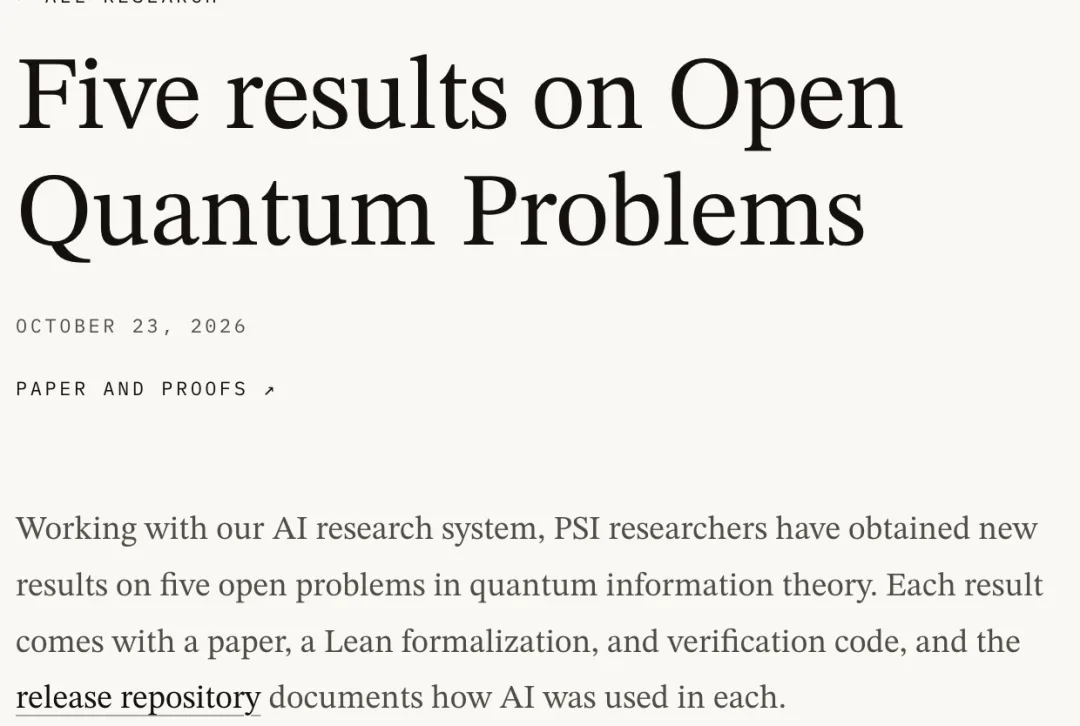
Last month, they solved five long-standing open problems in quantum information theory.
Previously, MIT's Guy Blanc, Jordan Docter, and Carmen Strassle, along with Stanford University's Li-Yang Tan, had solved a special case of the conjecture's classical simulation corollary.
They had been following the new proof, considering it merely a “big result”:
It solves a decades-old conjecture and offers important insights into the fundamental question of which problems can benefit from quantum acceleration.
This research touches on several research directions in Boolean function analysis and probabilistic combinatorics.
This proof, however, was certainly no mere “parroting”; it was not something that could be solved simply by searching through the literature. Instead, it brought all the pieces together in a “rather ingenious way.”
Perhaps experts from multiple fields could eventually cooperate to prove the conjecture, but AI operates at a speed beyond human reach!
According to reports, once the Harness system, built around Anthropic's internal model, was operational, it completed its first proof in just three days.
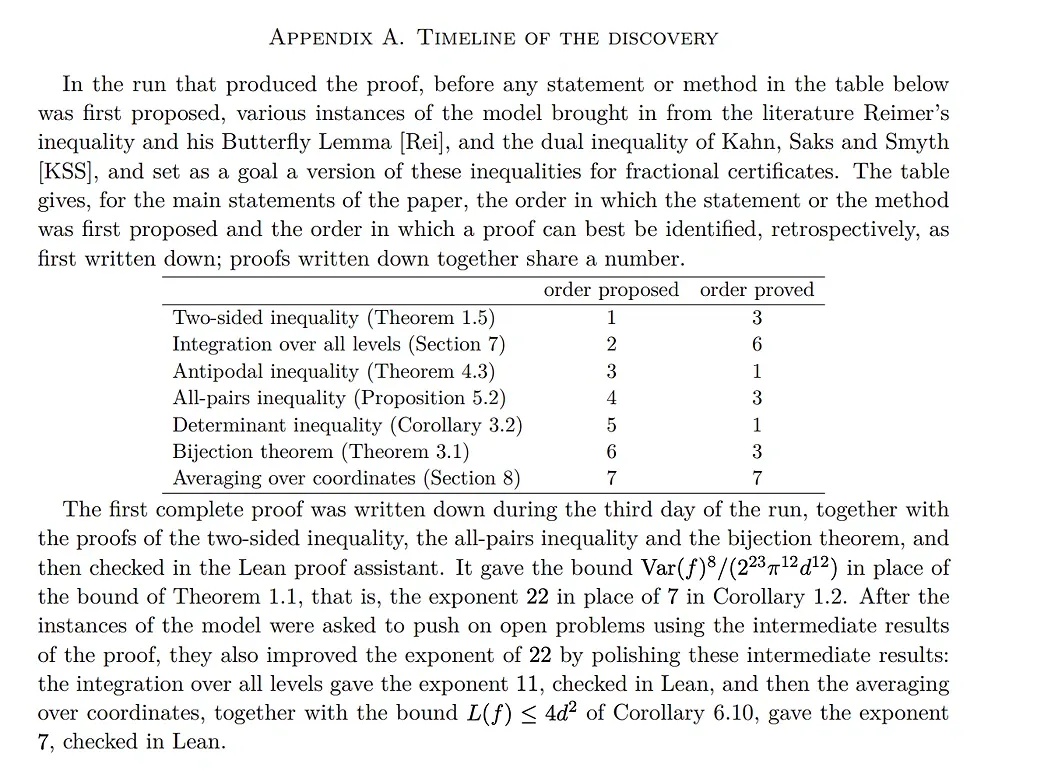
It was immediately fed into the Lean proof assistant for verification.
But that was not the end of it.
When the model instances were asked to tackle unresolved problems using these intermediate results, they in turn refined those results, driving the exponent down from 22 to 11, then to 7, and lower still.
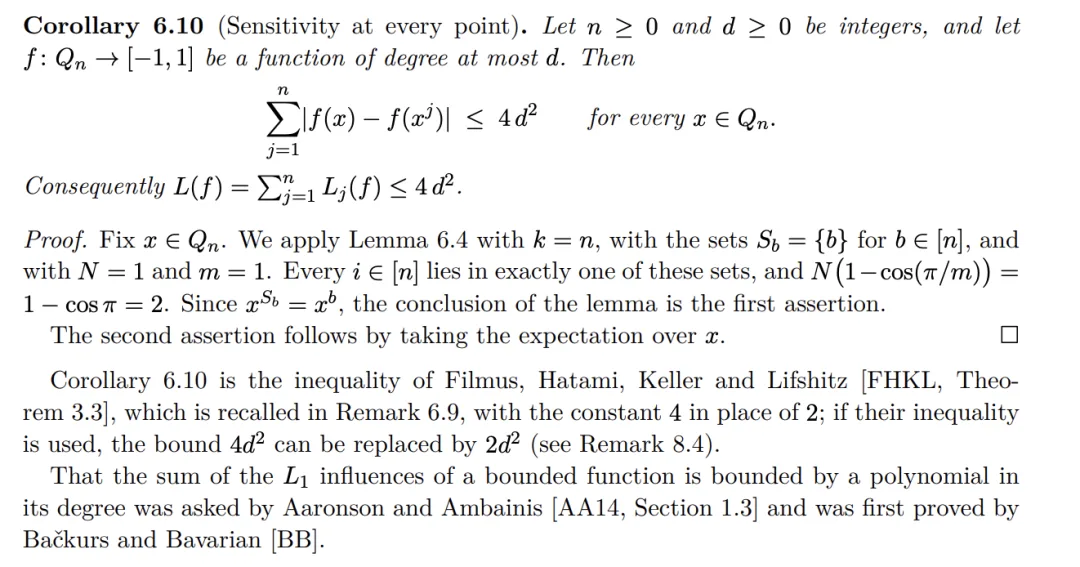
This is also a microcosm of the discovery process itself: a proof is not a flash of inspiration achieved in a single stroke, but rather something that approaches the optimal boundary step by step through the repeated refinement of intermediate results.
Physics and mathematics remain vast, the universe remains immense, and countless unsolved mysteries still await human exploration.
But one thing is already certain beyond doubt:
In the expedition team exploring the rational frontiers of discovery, humanity is no longer the only onestanding all alone, with no one by its side.
References:
https://psi.inc/research/oqp-batch-2026/
https://psi.inc/research/aaronson-ambainis/
Editor: David
Instantly follow ASI
⭐One-click triple action: Like, share, and recommend⭐
Light up the star and lock onto Synced’s lightning-fast updates!