After OpenAI, Anthropic is also starting to steal the spotlight from robotics companies.
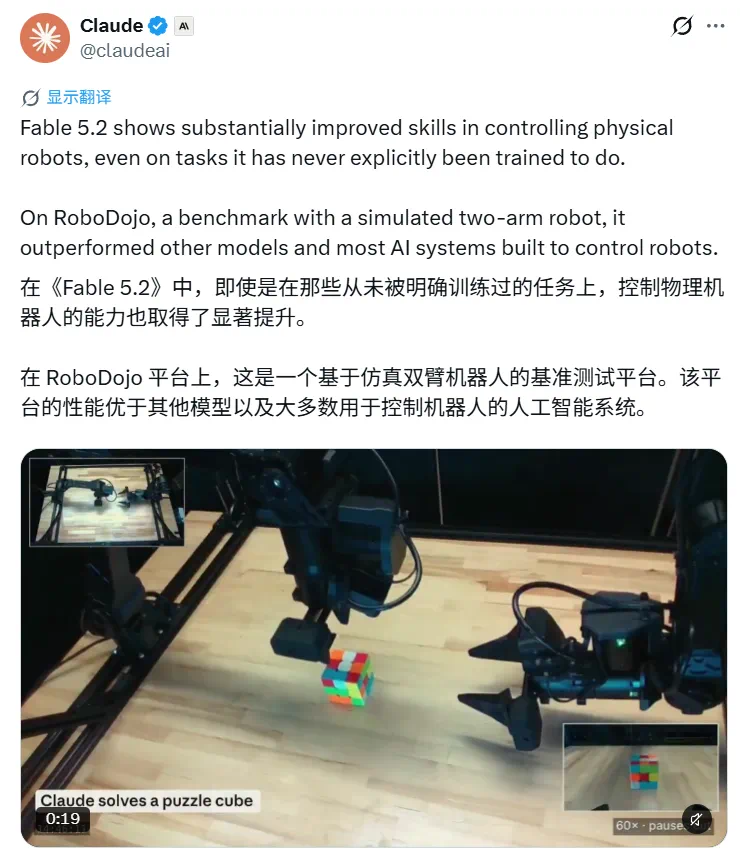
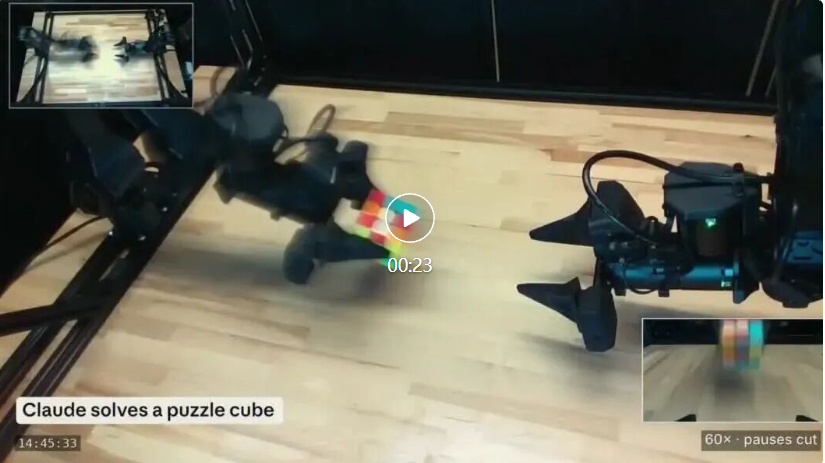
Today, Anthropic released its new model, Claude Fable 5.2. In addition to the usual upgrades to its coding and reasoning capabilities, there is one rather unexpected highlight this time: Claude has started solving Rubik’s Cubes, twisting bottle caps, and even controlling robots to draw.
Not long ago, OpenAI’s Astra had already shown off its abilities on robot manipulation tasks. Now, Anthropic has followed suit.
In the past, these capabilities could only be achieved through specialized models painstakingly trained by embodied AI companies. Now, general-purpose foundation models are beginning to enter this territory.
This inevitably raises a concern: will the models that robotics companies have worked so hard to train one day be swallowed up by foundation models?
This debate has been going on for some time, and there is still no definitive answer. But regardless of whether robots ultimately end up being controlled by a general-purpose large model, a VLA, or a world model, they all face one fundamental question: where does their experience of the physical world come from?
Can physical experience emerge solely from the conventional data used to train general-purpose foundation models? At least a recent study on Astra suggests that things are not that simple: OpenAI may have used dedicated robot data during training, and GPT-6.1 Sol and Gemini Argon also received similar training (see “GPT-6 Astra’s Robot Capabilities Exposed: It May Have Received Specialized Training”).
In other words, the general-purpose models’ standout performances on robotics tasks may not be the result of intelligence emerging from thin air; more likely, data is providing support behind the scenes.
Even general-purpose large models need training data to fill gaps in their understanding of the real world. As model capabilities continue to improve, how far embodied intelligence can go increasingly depends on the support of the underlying data infrastructure.
Particularly, data involving actual physical contact is precisely the key to robots learning dexterous manipulation.
Tactile data has therefore attracted growing attention from frontier robotics research teams. For example, the Digit 360 tactile sensor and SparAsh tactile model introduced by Meta FAIR are exploring ways to enable machines to acquire and understand richer contact information. This has also made tactile data increasingly important.
There are indeed people in China doing serious work on this.
Since its founding, Jianzhi has consistently positioned itself further upstream in this industry chain: building data infrastructure. From egocentric head-mounted devices to data gloves worn on the hands, they have always sought to answer the same question—how to turn what people do in the real world into data that models can learn from, as completely and accurately as possible.
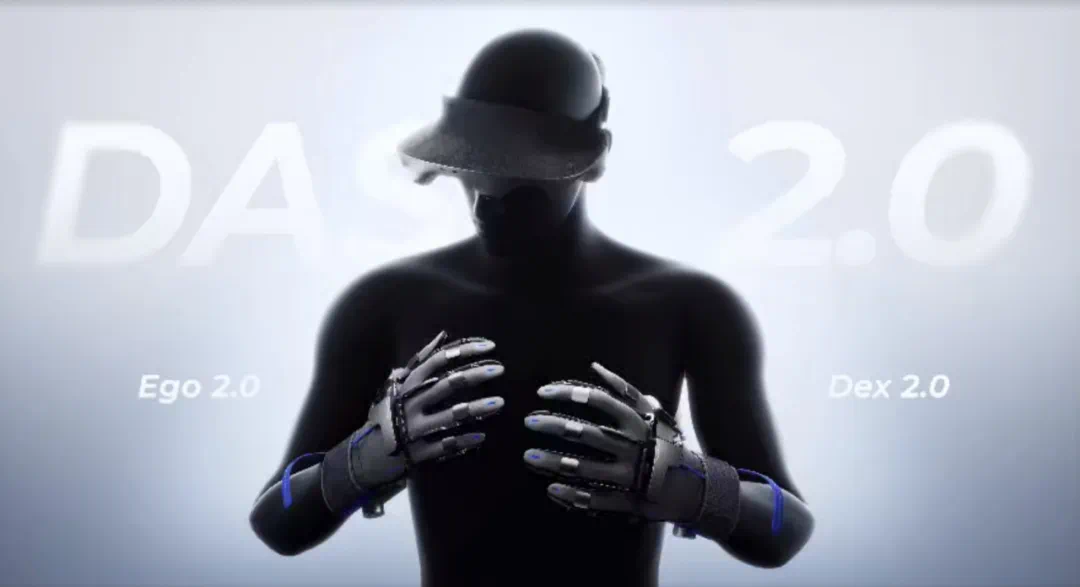
Recently, they refreshed this product line with two new products: the Dex 2.0 data glove and the DAS Ego 2.0 egocentric head-mounted device. Centered on egocentric vision, wrist-level near-field vision, hand motion, and touch, they have built a multilayered Human Data collection system.
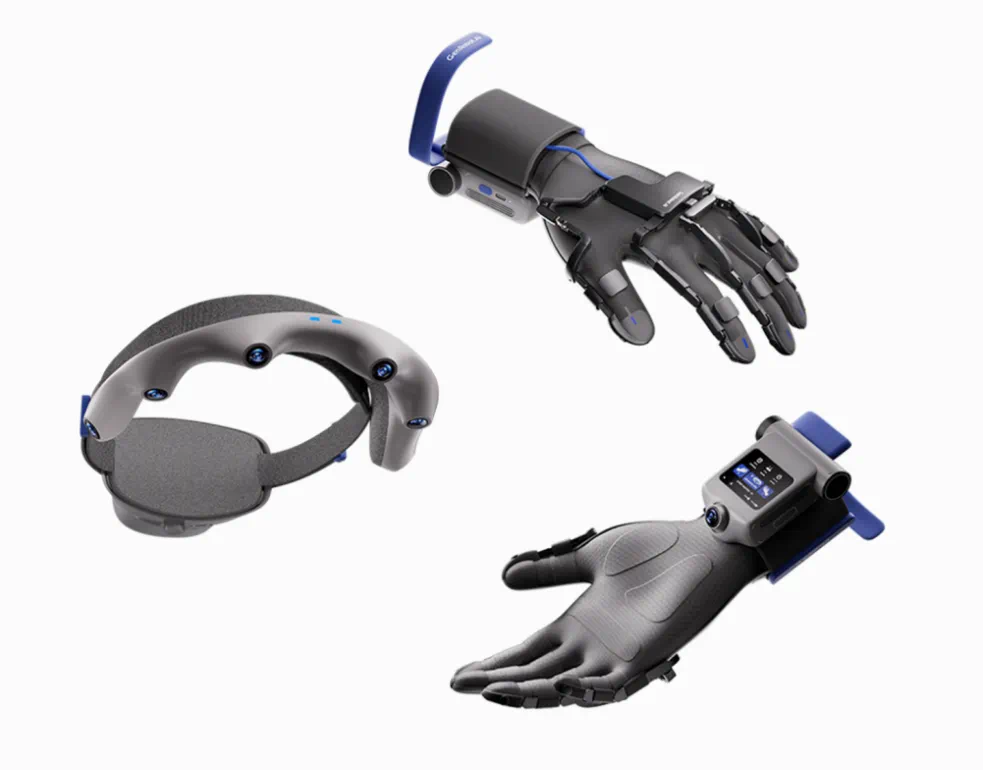
Their approach is easy to understand: in a real-world task, seeing, moving, and touching are never separate. The eyes locate the target, the hands move in and grasp, and touch tells you whether you have a secure grip and whether anything is slipping. Without any one of these channels, all the model learns is an incomplete story.
To achieve “completeness,” however, another question must first be answered: what role does each information stream actually play in an operation?
In Jianzhi’s technical approach, touch is not an isolated new puzzle piece. Egocentric vision records the environment and human movement, wrist cameras further supplement details of manual operations that are occluded, and exoskeletons and tactile sensors directly measure joint motion and physical contact.
Together, these information streams form complete multimodal Human Data. The addition of wrist cameras, in particular, enables the collection system to preserve egocentric contextual information while getting closer to the exact point where fingers interact with objects.
When close-range visual data is accurately aligned with high-precision tactile data, it becomes possible to further establish correspondences among images, joint motion, and contact states, providing models with more complete supervision for learning fine-grained manipulation.
More importantly, Jianzhi hopes to use high-precision motion and tactile data as Ground Truth to help visual models establish the connection between images and real physical contact.
In other words, it is not enough for tactile data to supplement information that vision cannot perceive; vision must also learn from touch.
This idea has also changed the design logic of data collection equipment. Rather than indiscriminately stacking sensors, it allows multiple modalities to complement and validate one another according to the needs of different tasks, ultimately improving the effectiveness of the entire Human Data production system.
Built around this concept, Jianzhi’s DAS 2.0 data collection solution combines egocentric vision, wrist-mounted near-field vision, hand joint motion, and tactile information. The different devices can be used independently or flexibly combined according to task requirements, expanding coverage of real-world scenarios while preserving the key physical information needed for fine-grained manipulation.
Dex 2.0 addresses the challenges of both hand-motion measurement and tactile recording. It uses an approximately 60g side-mounted exoskeleton and approximately 3mm miniature biomimetic joints, with its mechanical structure positioned along the sides of the fingers, to directly record joint motion while minimizing interference with movement. Together with a semi-flexible piezoresistive electronic skin covering the entire palm, it can also synchronously capture pressure information when the hand comes into contact with an object.
Compared with approaches that indirectly reconstruct hand posture through magnetic-field measurements, this direct joint-measurement approach helps reduce the influence of external magnetic fields and metallic environments on pose estimation while also enabling high-fidelity collection of motion and tactile data.
The upgrades to DAS Ego 2.0 focus on two areas: more accurate tracking of fingertip details and more comprehensive recording of whole-body motion.
The six-camera system expands the horizontal field of view to 340°, increasing the observable range of human motion and the surrounding environment; fingertip tracking accuracy has been improved to 4mm, helping reduce position-estimation errors during fine-grained manipulation.
This means that Ego 2.0 focuses not only on how the fingers move locally, but also on whole-body coordination during actions such as turning, bending, and stretching, giving models a more complete picture of the human manipulation process.
When Ego, Dex, and Wrist Camera work together, combined with DFM (Data Foundation Model) processing of whole-body motion data, Jianzhi hopes to align environmental visuals, local manipulation, joint motion, and tactile information within a unified data framework.
For robot training, this means data is no longer limited to separate video clips or sensor readings; it has the potential to fully describe the physical interaction process of an operation, from observation and contact to action adjustment.
From stacking modalities to collaborative learning, how can tactile data fill the critical missing link?
As Silicon Valley’s tech giants enter the field of embodied intelligence, robots are no longer content with completing a single task in a specific scenario; they must also master more complex and precise manipulation.
As a result, models must learn not only motion trajectories, but also how humans observe, make judgments, and make contact with objects in real environments, and how they adjust their actions based on feedback. This places new demands on data collection.
On the one hand, human data must be sufficiently rich to cover more scenarios and operations; on the other hand, it must also be sufficiently accurate to reconstruct joint motion and physical contact during real manipulation. Pursuing collection scale alone may not satisfy the training requirements for models’ fine-grained manipulation capabilities.
The problem, however, is that different current collection methods each have their own limitations.
Relying on egocentric cameras alone makes it convenient to record the environment and human manipulation, but it is difficult to avoid mutual occlusion between the hand and the object. Adding close-up cameras can supplement details such as contact locations and multi-finger coordination, but still cannot directly measure actual contact forces.
Data gloves can provide more precise joint-motion and tactile information, but they also entail more complex equipment and higher data-collection costs.
Is there a solution that can leverage the scalability of visual data collection while using high-precision tactile data to fill in critical physical information?
Jianzhi Robotics’ answer is not to choose one technical route, but to enable different modalities to work together.
To address data needs at different levels, Jianzhi has developed three data collection approaches:
Ego-only collection: Uses egocentric vision to record the surrounding environment, body movements, and the relationship between people and objects, making it suitable for data collection across a range of real-world settings.
Ego + Wrist Camera: Adds a wrist camera to capture fine-grained manipulation details from a closer viewpoint, including contact and separation between fingers and objects, as well as coordinated multi-finger movements.
Ego + Dex: Combines egocentric vision with a data glove to further capture actual joint motion and full-palm tactile information, yielding high-precision multimodal data in which vision, motion, and physical contact are mutually aligned.
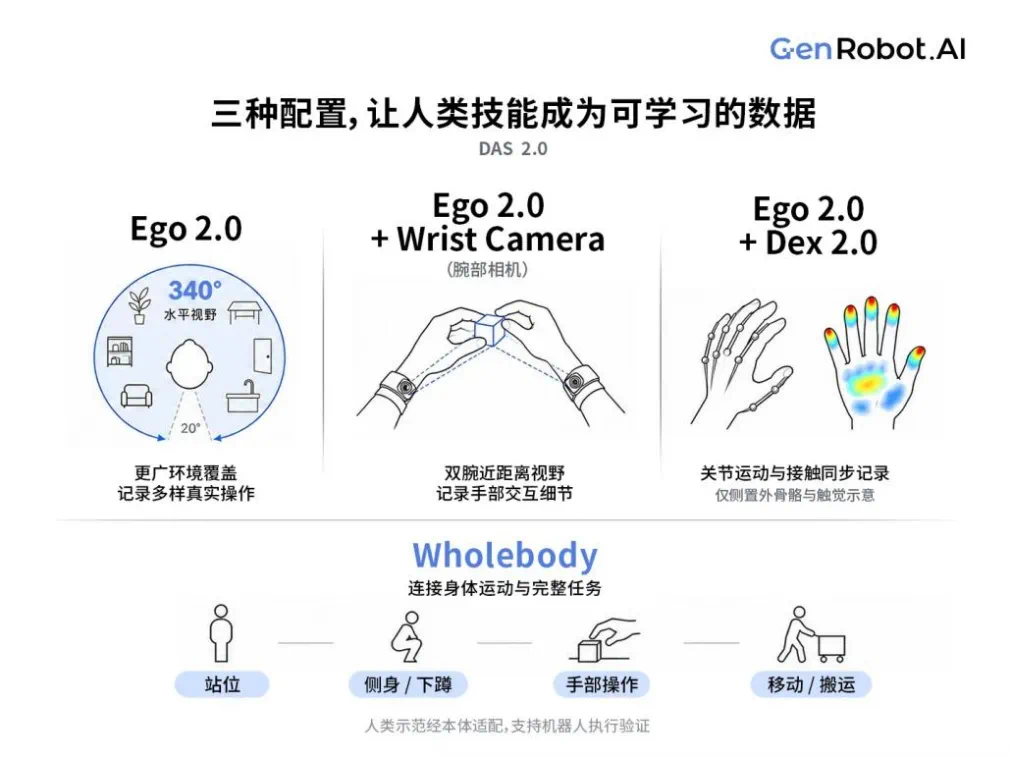
These three approaches are not merely associated with different collection costs; more importantly, they can also create synergies in the data.
Among them, the high-precision motion and tactile data collected by Ego + Dex can serve as Ground Truth, providing visual models with more direct supervision of physical interactions.
By learning the correspondence between visual images and actual contact states, models have the opportunity to infer tactile information that is otherwise difficult to observe directly, using visual input alone.
In other words, tactile sensing can not only fill in the physical information missing from vision, but may also teach vision to understand contact in return.
To achieve this synergy, data from different modalities must also be accurately aligned in time. To this end, Jianzhi internally redesigned the camera modules and communication controls, using wireless hardware synchronization to achieve nominal 1 ms-level head-hand temporal alignment and minimize misalignment among visual, joint-motion, and tactile information.
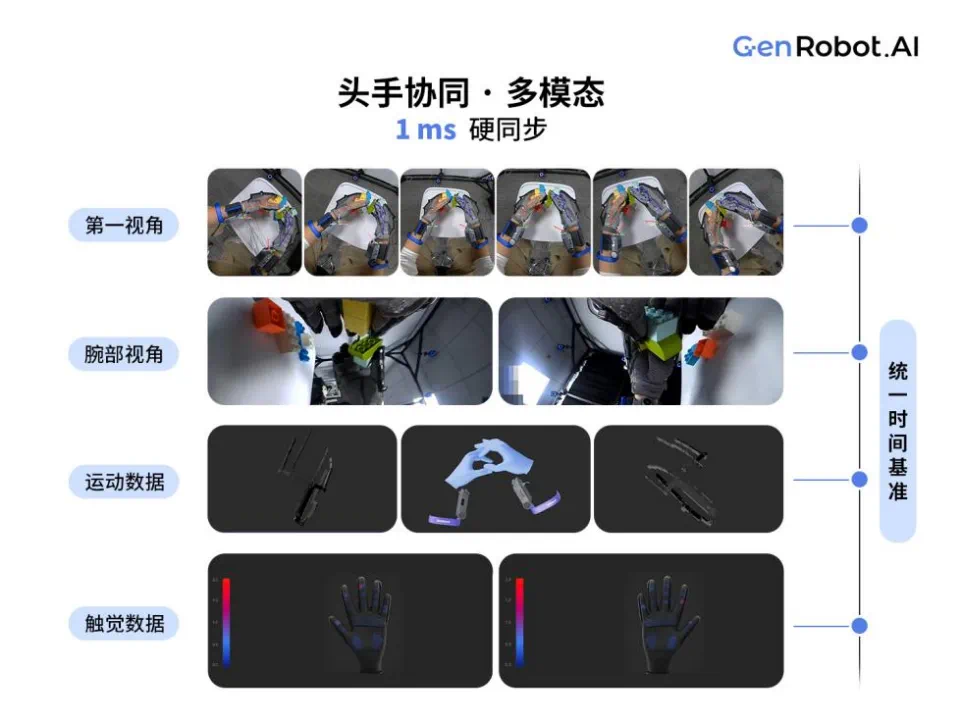
From vision alone, to adding a close-up viewpoint, to incorporating high-precision motion and tactile ground truth, Jianzhi is trying to build not simply a collection system that stacks sensors, but a data production pipeline in which different modalities complement and reinforce one another.
High-precision data provides supervision for large-scale visual data collection, while different collection approaches jointly serve model training. This is the more noteworthy aspect of Jianzhi’s multimodal Human Data solution.
From Hands to Whole Body: How Can the Full Scope of Human Manipulation Be Captured?
Jianzhi’s new products can be used in a variety of settings. Dex 2.0 is a data glove integrating hand motion capture with full-palm tactile sensing, while DAS Ego 2.0 is a head-mounted multimodal data collection device that provides an egocentric view. The two focus respectively on fine-grained hand movements and whole-body visual recording, with the aim of more comprehensively reconstructing how humans manipulate objects in real-world environments.
Dex 2.0: Let Movements Happen Naturally and Measure Joint Motion Directly
Dex 2.0 addresses a core question: How can hand motion be accurately recorded without interfering with natural human manipulation?
Traditional data gloves generally require sensors or mechanical structures to be placed on the back of the hand, fingertips, and other locations, potentially interfering with fine motor tasks such as typing, surface-hugging object picking, and in-hand rotation. On the other hand, approaches that rely on flexible sensors or visual keypoints typically infer joint angles indirectly from deformation or images and are easily affected by factors such as occlusion.
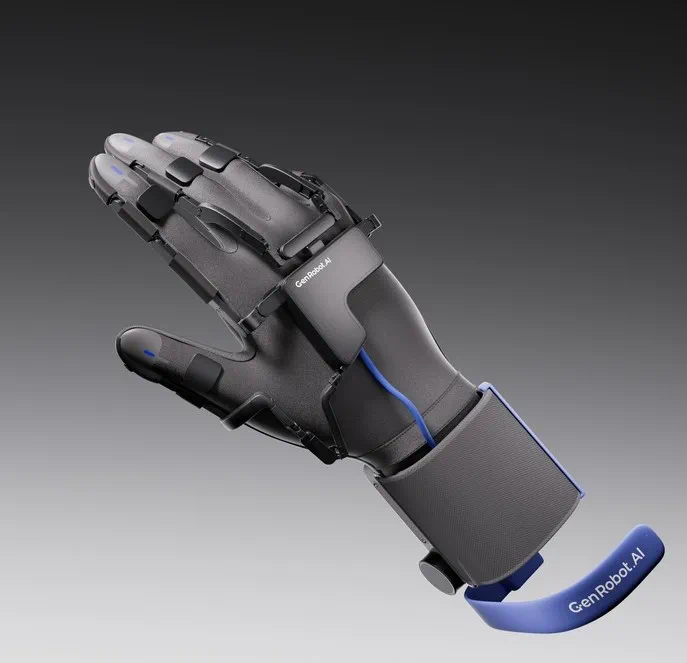
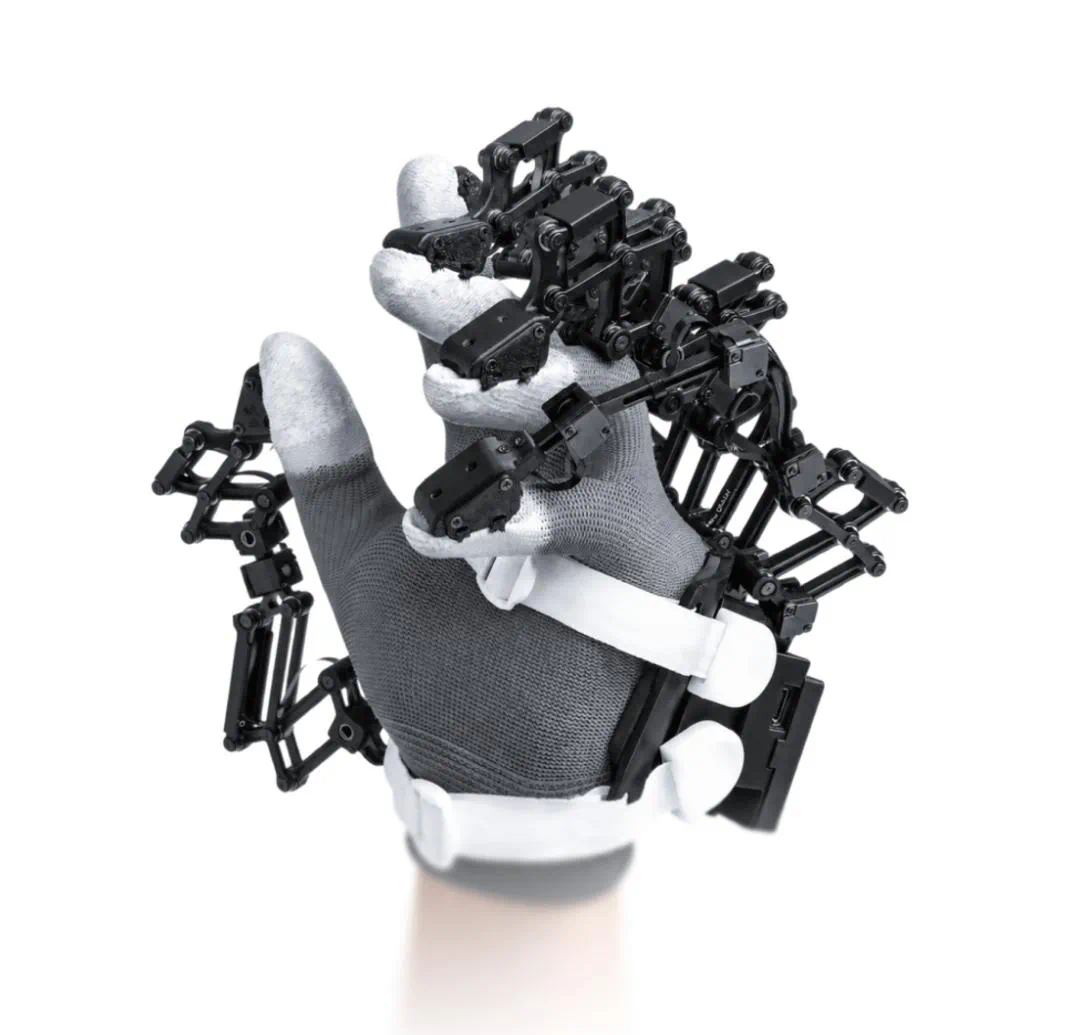
Left: Dex 2.0’s side-mounted bionic exoskeleton; right: a traditional dorsal-mounted exoskeleton.
Dex 2.0 uses a side-mounted bionic exoskeleton that moves the main structure to the sides of the fingers, positioning the mechanical joints closer to the hand’s natural axes of motion while freeing key manipulation areas such as the backs and pads of the fingers and the palm. The team also integrates miniature magnetic encoders inside the bionic joints to directly read local joint angles, then reconstruct the complete state of the hand through kinematic calibration.
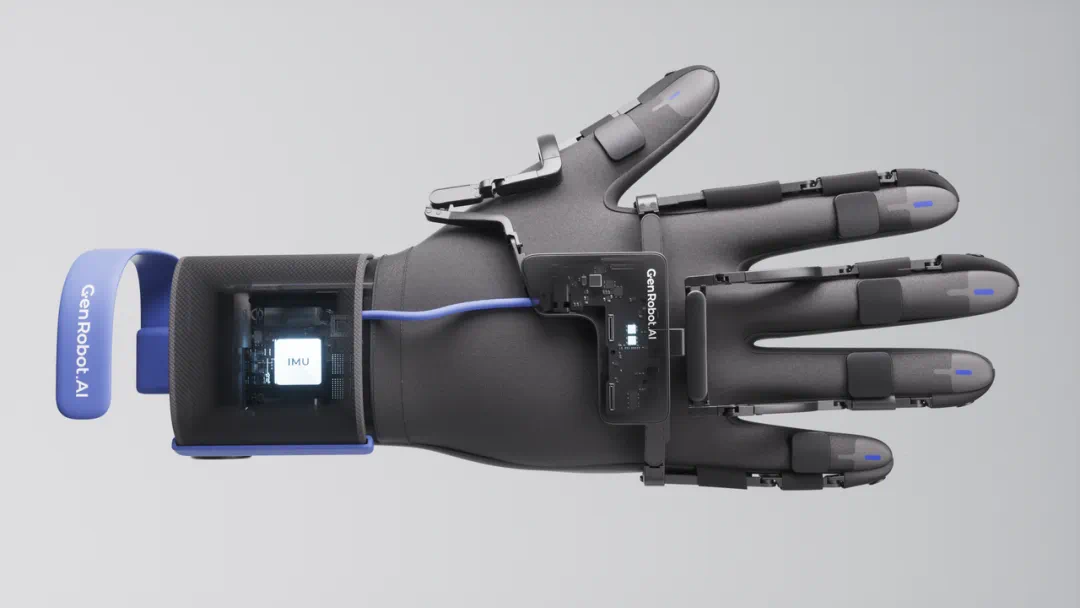
The value of the side-mounted design lies first in freeing the hand as much as possible from the limitations of the data collection device itself.
Dex 2.0 keeps the main exoskeleton at approximately 60 g and miniaturizes its joint structures to approximately 3 mm. The lightweight design helps reduce the burden of prolonged wear, while the miniature joints allow the mechanical structure to sit closer to the hand’s natural axes of motion and take up less of the fingers’ range of motion.
Meanwhile, 21 independent joint encoders directly record hand movements, supporting 21-DoF measurements with joint-angle resolution of 0.2° and fingertip spatial-position accuracy of approximately 1 mm.
This means the device must not only enable the wearer to perform delicate actions naturally, but also record as accurately as possible how those actions are performed. For robot training, the former determines whether the data is realistic, while the latter determines whether these actions can be effectively learned and reproduced.
In addition to motion data, Dex 2.0 integrates a semi-flexible piezoresistive electronic skin to record tactile information when the hand comes into contact with objects.
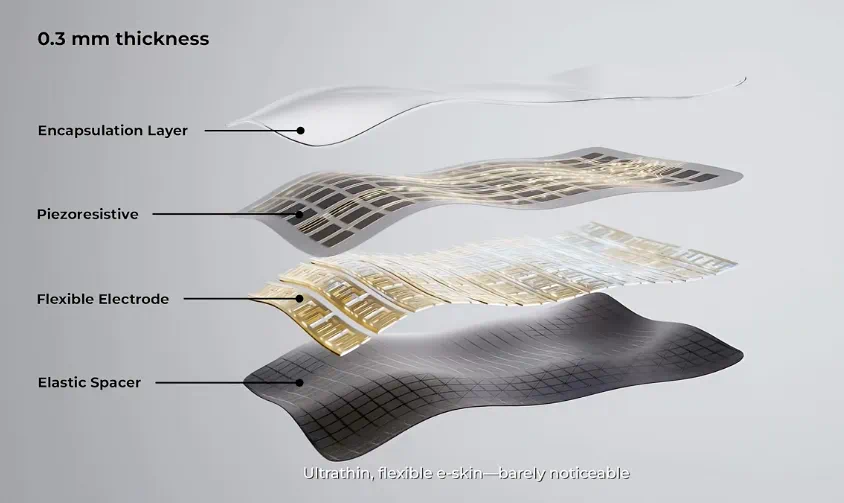
In practice, stretching, wrinkling, and slipping of the material can all produce false signals, and densely arranged sensing units are also prone to crosstalk. To address this, Jianzhi independently developed a graphene-spray-coated tactile sensing solution, improving deformation response and signal stability through a semi-flexible material and multilayer structural design.
In terms of tactile sensing, Dex 2.0 covers the hand’s contact regions with 16 tactile sensors and 980 sensing units, achieving a spatial resolution of 1 mm and enabling more detailed recording of where contact occurs and how it changes.
For model training, however, the value of tactile data depends not only on sufficiently dense sensing units, but also on whether real contact can be distinguished from false signals generated by the sensors.
For example, when only part of a finger touches an object, ideal tactile data should accurately reflect the region actually under pressure, rather than cause surrounding non-contact sensing units to respond noticeably as well.
To address this issue, Jianzhi reduces crosstalk between sensing units through semi-flexible piezoresistive materials and signal-processing design. A crosstalk level below 1% FS helps reduce abnormal responses in non-contact areas and improves the reliability of contact-distribution data.
Compared with simply pursuing a greater number of touch points, reducing crosstalk and false triggering more effectively helps models establish accurate relationships between actions and contacts.
DAS Ego 2.0: See Your Fingertips Clearly and Your Whole Body in View
If Dex 2.0 focuses on high-resolution collection of hand-motion and tactile information, DAS Ego 2.0 further expands the spatial scope of data collection.
In the past, egocentric data collection was often limited to fixed desktop operations, primarily recording interactions between the hands and surrounding objects. But as robots begin to learn mobile manipulation, human turning, bending, reaching, and coordination between different body parts also become important training information.
The challenges of egocentric data collection involve not only seeing what the hands are doing, but also reconstructing as accurately as possible the spatial relationships between the hands and objects, as well as coordinated body movements during operation.
DAS Ego 2.0 therefore upgrades its vision system in two respects: precision and field of view.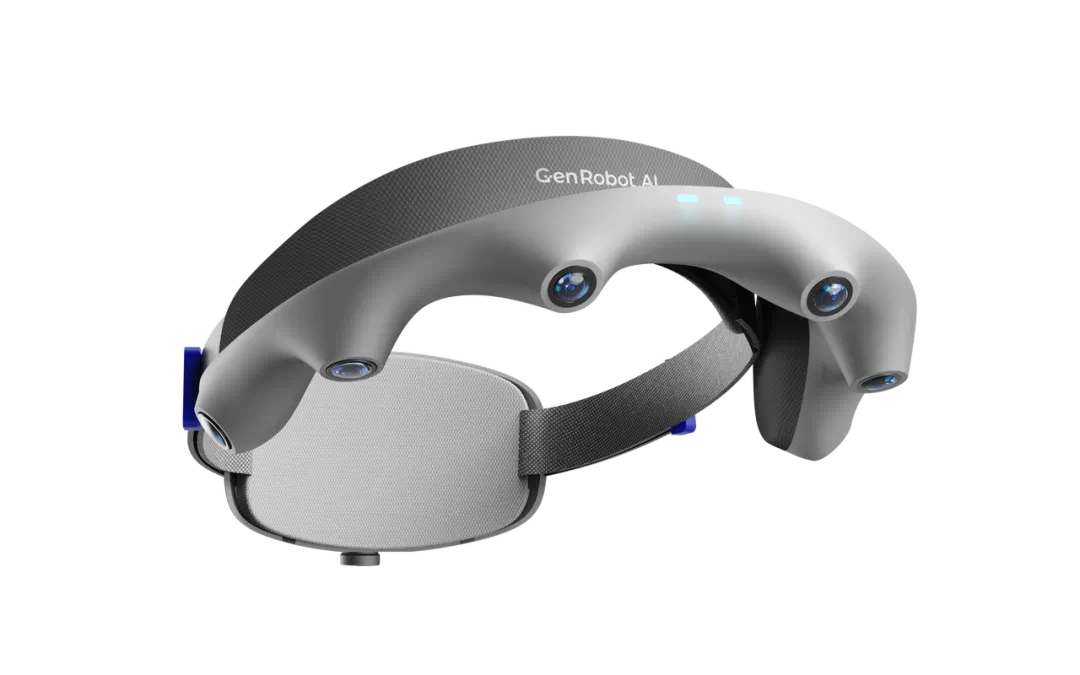
For fine manipulation, the core camera has been upgraded from 2 megapixels to 5 megapixels, and fingertip tracking precision has been improved to 4 mm. More accurate fingertip-position estimation helps reduce errors in the model’s judgments of actions such as grasping, approaching, and contact. Particularly when working with small objects in confined spaces, a positional deviation of just a few millimeters can affect subsequent motion planning.
For whole-body motion, the six-camera system expands the horizontal field of view from 270° to 340°. The wider field of view reduces information loss caused by actions such as turning, bending, and leaning sideways, enabling the model not only to observe local hand movements but also to obtain a more complete understanding of body motion and its relationship to the environment.
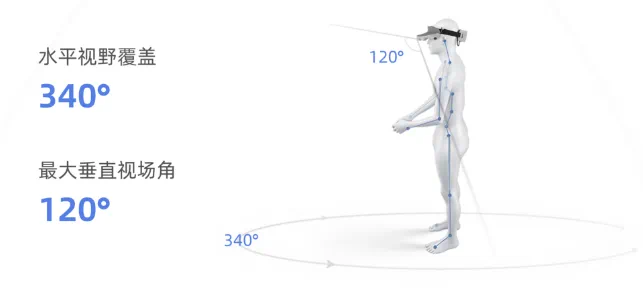
This design accommodates both fine manipulation and whole-body coordination, making egocentric data more suitable for complex, continuous real-world tasks.
In addition to the vision system, the device integrates a 200 Hz IMU and a microphone to synchronously record inertial information and ambient audio. For real-world data-collection environments, the team has also optimized imaging performance under low light, changing illumination, and intense glare.
For large-scale data collection, DAS Ego 2.0 also improves its wearable structure, head-pose detection, hair-occlusion detection, and batch data post-processing capabilities. The magnetically attached battery can be replaced without shutting down the device, each battery pack provides approximately 2.5–3 hours of operation, and the device also supports the MCAP standard data format.
From subtle changes in finger joints to continuous human motion in real-world environments, Dex 2.0 and Ego 2.0 supplement different dimensions of human manipulation data. However, these two types of information do not necessarily need to be collected simultaneously. How to select the right combination of devices for a given task, and whether data from different modalities can complement one another, are the key areas for Jianzhi’s data collection system going forward.
From data collection to training, what kind of data is truly valuable?
For robot models, training data should comprehensively and accurately describe the physical interactions that the robot needs to learn.
For example, when the task involves grasping an object, the model needs not only to see how the fingers move, but also to know where the fingers make contact, how the contact state changes, and how a person adjusts their movements after a failed attempt.
This information determines whether data can be transformed from simple motion recordings into samples that genuinely support model training and evaluation.
Therefore, models need sufficiently diverse real-world manipulation experience to adapt to different environments, objects, and tasks. At the same time, this data must provide reliable motion measurements, clear task processes, and accurate physical interaction information.
To meet this need, Jianzhi introduced the Training-ready data standard, emphasizing authentic and natural behavior, a complete manipulation loop, compliant accuracy, and sufficient diversity.
First, the behavior must be authentic and natural. The collection device must not excessively interfere with a person’s movements. What it records should be the person’s natural motions and manipulation process in a real-world setting, rather than actions deliberately performed to accommodate the device.
Second, the manipulation loop must be complete. The data must not only record movements but also cover the entire process from the start of the task to the final outcome, while clearly distinguishing similar objects and similar actions. For example, given three red balls on a table, the data cannot merely record “pick up one red ball”; it must specify exactly which ball was picked up. Tactile information can further help confirm the contact state and the outcome of the operation.
Third, accuracy must meet the required standards. In addition to spatial information such as hand position and joint angles, relative changes during movement, such as velocity and acceleration, must remain stable so that measurement fluctuations do not interfere with model learning.
Finally, there must be sufficient diversity. The data must cover different environments, objects, and actions, and include failed operations and the adjustment process that follows a failure. This enables the model not only to learn how to complete a task, but also to experience the variations and uncertainties encountered in real-world manipulation.
In addition to embodiment-free Human Data collection, Dex 2.0 also supports dexterous hand teleoperation.
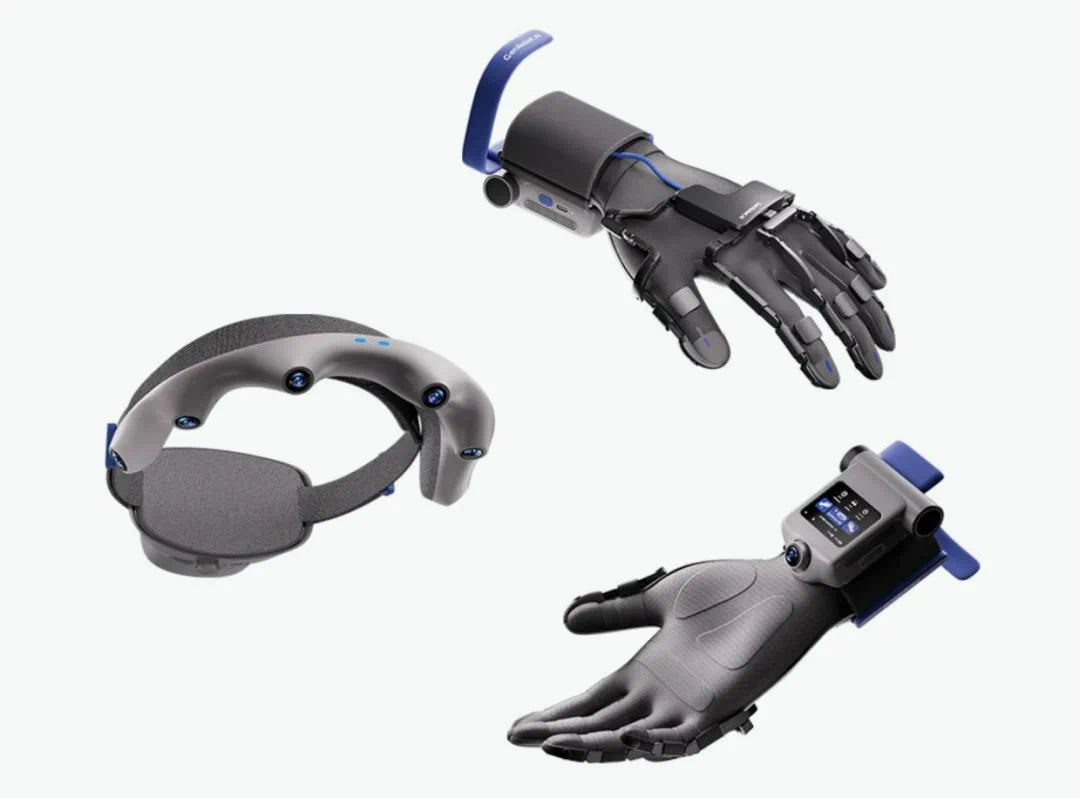
In embodiment-free mode, the device records natural human manipulation in real-world settings. In teleoperation mode, human hand motion states can be converted into robot joint control inputs and adapted to the degrees of freedom, joint layout, range of motion, and control interfaces of different dexterous hands, while the robot’s execution status and task outcomes are also recorded.
By combining the two modes, Jianzhi can turn “what humans can do” into “what robots can do.”
When paired with the Ego headband, it can also record environmental information during operation, enabling the model not only to learn how the fingers move, but also to understand the context in which those movements occur and the task they are intended to accomplish.
To make robots “do the work,” who will lay the groundwork?
The robotics industry has indeed been buzzing with activity recently.
Brilliant demonstrations such as “a general-purpose foundation model directing a robot to solve a Rubik’s Cube” keep emerging. But if attention shifts away from the spotlight, it becomes clear that many less visible problems need to be addressed.
For example, how can collection devices be sufficiently precise without obstructing people’s normal activities? How can data from cameras, joint encoders, and tactile sensors be accurately aligned? And how can we ensure that the data collected can truly be used to train models?
These issues may appear trivial, but they directly determine how much robots can learn from the real world.
Jianzhi chose to start with Human Data early in its founding and gradually evolved into a data and evaluation infrastructure company for physical AI models.
Compared with directly competing in embodied models, building data infrastructure is more foundational work that requires greater patience. It involves not only device development, but also solving challenges such as human motion measurement, multimodal synchronization, data standardization, and robot adaptation.
Some of these challenges are so difficult that even finding entirely suitable solutions on the existing market is hard.
Take tactile sensing as an example: a sensor cannot simply be installed on a hand and used immediately. It must accurately record contact and pressure, interfere as little as possible with natural movement, and remain stable during long-term use. To meet these requirements, Jianzhi has continuously invested in the independent R&D of tactile materials and electronic skin. The related materials solutions alone underwent about nine months of iteration.
Similar choices can be seen in camera modules and multimodal synchronization systems. Rather than relying entirely on off-the-shelf solutions, Jianzhi prefers to develop its own ability to iterate on key technologies, enabling products to adapt continually as real-world data requirements evolve.
Alongside its in-house technology development, Jianzhi has consistently remained committed to open source.
For some teams just getting started, training a robot model can present a data challenge before they even begin researching algorithms.
In Jianzhi’s view, embodied AI is still in a phase of rapid exploration, and not every research team has the resources to build a data collection system from scratch.
High-quality open data can help more teams reduce duplicated effort and dedicate their resources to model training, algorithm validation, and new technological exploration.
At the ongoing premier robotics academic conference CoRL, Jianzhi’s integrated solution combining Dex 2.0 and the Wrist Camera attracted considerable interest, prompting extensive discussion about data collection methods.
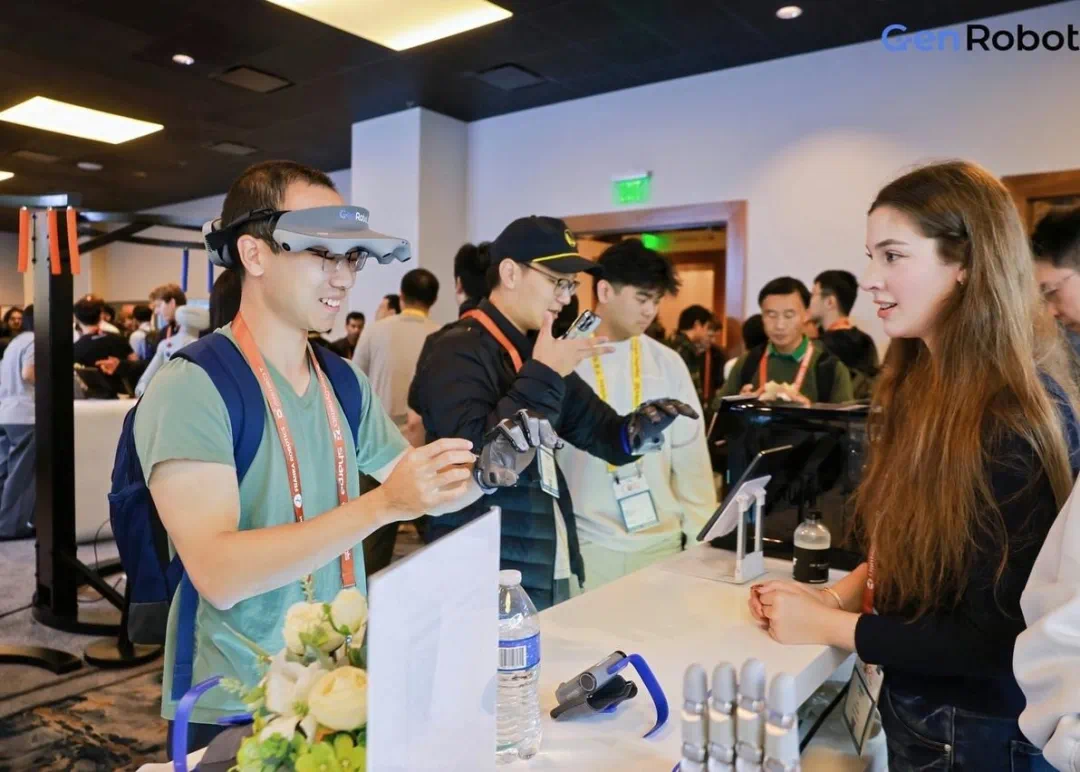
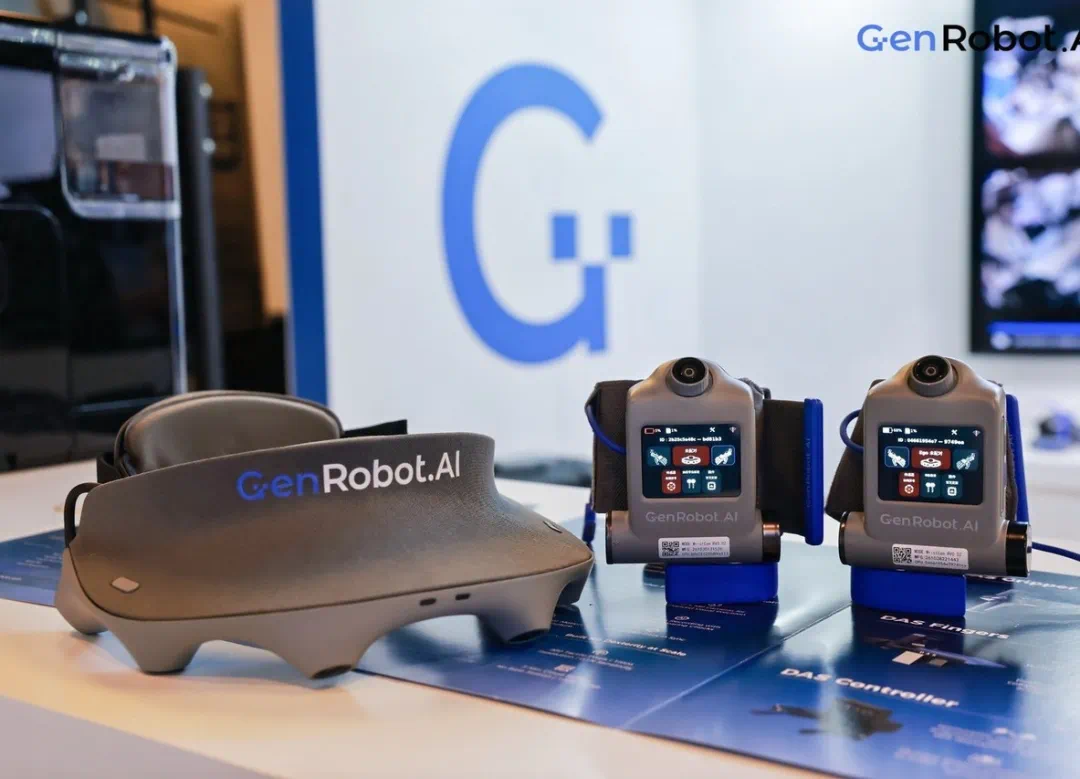
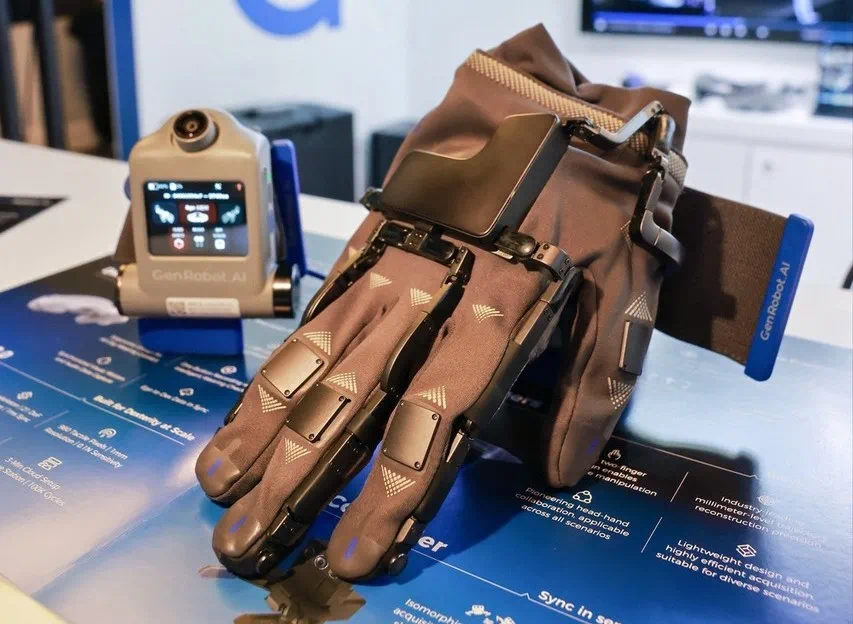
Beyond the models and the robot hardware itself, everyone is concerned with a very practical question: how can manipulation data from the real world be obtained more conveniently and accurately?
In the past, a robotics company could establish an advantage in certain manipulation tasks by relying on specially trained models. But today, foundation-model companies such as OpenAI and Anthropic are also entering the physical world, making such advantages increasingly difficult to sustain.By contrast, what is truly difficult to replace is hands-on experience in real-world scenarios, along with fine-grained physical interaction data capturing forces and deformation.
Technology hotspots are constantly changing, but the data infrastructure needed for robots to learn about the real world remains essential to the development of embodied AI.
Only when more real-world human skills can be transformed into experience that machines can learn from, and more researchers can build on existing data foundations and continue advancing, can robots truly go from “being able to move” to “being able to do the work.”