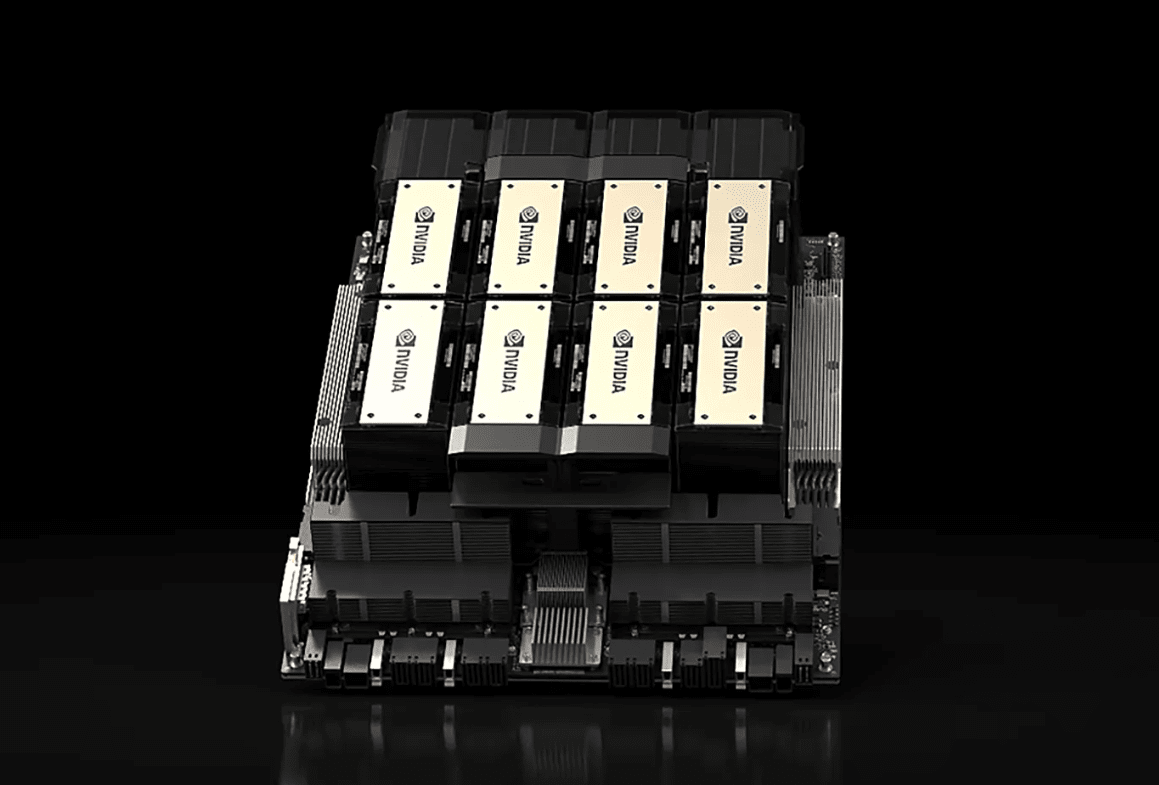
It has been confirmed that a Chinese university related to the military, which is on the U.S. export control list, purchased NVIDIA's high-performance AI semiconductor, the H200. The university reportedly acquired the chips directly through a Chinese company and also secured advanced AI computing resources via server leasing, raising questions about the loopholes in U.S. semiconductor export controls to China.
Reuters reported on November 11 (local time) that according to procurement records of Northwest Industrial University in Xi'an, the university purchased two H200 chips for 874,700 yuan (approximately 175 million won). The purchase contract was signed with a local Chinese company, Sanxi Baoqiu Network Technology, not with NVIDIA itself.
Northwest Industrial University is one of the "Seven Sons of National Defense," which are universities closely tied to the Chinese People's Liberation Army. It conducts research on military aircraft, missiles, and satellites. The U.S. Department of Commerce listed the university on the Entity List in 2001 due to its involvement in missile proliferation and military research. In 2019, it strengthened sanctions, generally refusing to issue export licenses for controlled U.S. technology.
The H200 is a high-performance semiconductor used for AI model training and inference by NVIDIA. As a product requiring U.S. export licenses, it is generally not allowed to be exported to institutions on the Entity List, such as Northwest Industrial University. The two H200 chips confirmed to have been purchased were bought by the university's business school, and their actual usage purpose remains undetermined.
In addition to directly purchasing the chips, the university also secured high-performance AI computing resources through server leasing. According to procurement records, the Cybersecurity Department signed two 7-month contracts in January for servers equipped with eight H200 chips each. The contract amounts were approximately 440,000 yuan (about 88 million won) each, intended for use in AI model fine-tuning and reinforcement learning.
The university also leased servers equipped with A100 chips, which are subject to export restrictions, with eight chips each. Another research institution signed a computing service contract using at least 24 A100 chips for structural and fluid dynamics simulations.
Similar cases were also found in other universities. According to Reuters' analysis of 26 procurement records and corporate documents in China this year, multiple universities and research institutions were found to have directly purchased NVIDIA chips subject to U.S. export restrictions or used computing services from servers equipped with such chips.
Xiamen University purchased three H100 chips in September, and Beihang University, one of the "Seven Sons of National Defense," secured four A800 chips in April. Wuhan Institute of Technology and Chinese Academy of Sciences University were also found to have directly purchased export-restricted chips or used related computing services.
These transactions were mostly conducted through small-scale Chinese technology companies. The procurement records did not specifically disclose the actual distribution channels of the chips or the operating locations of the leased servers. Reuters requested statements from NVIDIA, the U.S. Department of Commerce, and Northwest Industrial University, but did not receive any responses. There was also no evidence that NVIDIA directly sold the chips to the university.
The U.S. government has begun allowing the export of some NVIDIA chips, including the H200, to China through individual review since January of this year. However, separate sanctions on institutions listed on the Entity List, such as the Northwest Industrial University, are still in place. Even for semiconductors that have been approved for export, there is a demand for security measures to prevent sanctioned entities or military end-users from accessing them remotely.
This case is expected to influence the ongoing debate in the United States regarding NVIDIA's sales of AI chips to China. Jensen Huang, CEO of NVIDIA, has argued that sales to China help maintain U.S. technological leadership, but the U.S. Congress has continued to call for stricter export controls and mandatory tracking of chips.
Park Chan, cpark@aitimes.com


