© OpenAI / 01net
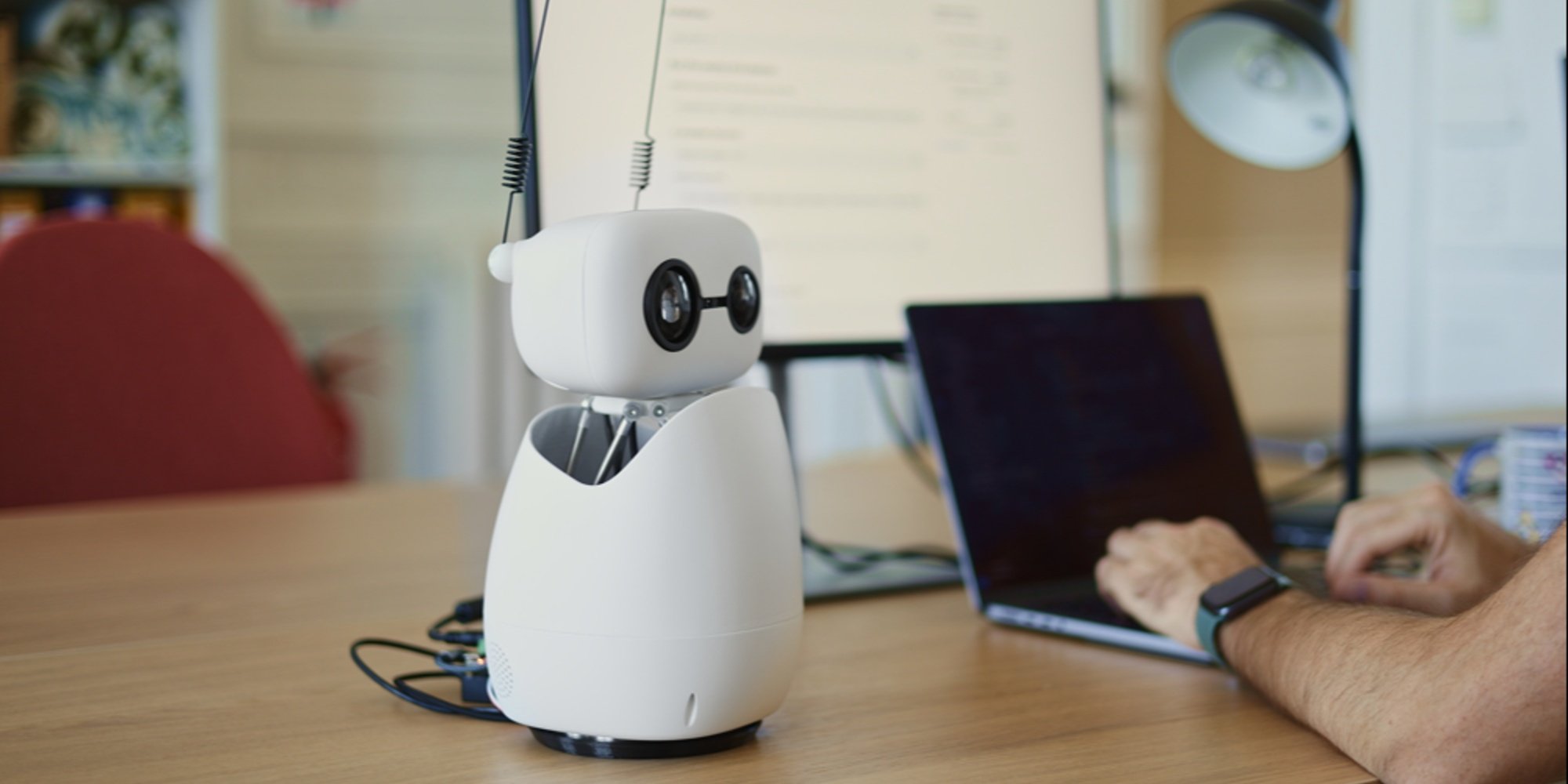
OpenAI has unveiled Daybreak, a platform that leverages its most powerful AI models, including GPT-5.5 and the Codex agent, to analyze thousands of lines of code, detect security vulnerabilities, and generate fixes.
Cybersecurity has become one of the main battlefields of artificial intelligence. After Anthropic and its Glasswing project, OpenAI, the startup behind ChatGPT, has unveiled Daybreak, a platform entirely dedicated to protecting software against cyberattacks with the help of AI.
© OpenAI / 01net
OpenAI has unveiled Daybreak, a platform that leverages its most powerful AI models, including GPT-5.5 and the Codex agent, to analyze thousands of lines of code, detect security vulnerabilities, and generate fixes.
OpenAI is launching Daybreak, our effort to accelerate cyber defense and continuously secure software.
AI is already good and about to get super good at cybersecurity; we’d like to start working with as many companies as possible now to help them continuously secure themselves.
— Sam Altman (@sama) May 11, 2026
How Daybreak identifies and plugs security vulnerabilities
The Daybreak platform is capable of analyzing thousands of lines of code, far more than a human developer, to spot vulnerable points, generate fixes on the fly, test them, and send the results of the changes to the technical team, with verifiable proof. The entire process takes just a few minutes. The initiative should prevent teams and researchers from tracking vulnerabilities in code after deployment.
For this, Daybreak relies on several distinct tools, starting with the GPT-5.5 model. Subsequently, the platform turns to GPT-5.5-Cyber, a specialized version of AI, reserved for cybersecurity professionals. This model is used to simulate hacker attacks to find vulnerabilities. Finally, the agent Codex Security is capable of scanning an entire codebase, identifying priority risks, and proposing fixes immediately. When put together, these tools are capable of autonomously patching a vulnerability.
OpenAI on the trail of AnthropicWith Daybreak, OpenAI is responding to its long-time rival, Anthropic. Last month, Anthropic unveiled Claude Mythos, an AI specialized in vulnerability hunting, and made it available exclusively to a handful of actors, including Amazon, Apple, Google, Microsoft, or NVIDIA. All members with access to Mythos are grouped in « Project Glasswing ».
The initiative quickly yielded results. With Glasswing, Mozilla was able to identify and fix 271 vulnerabilities in a new version of Firefox. Increasingly overshadowed by Anthropic, especially in the professional world, OpenAI must now prove it can do as well, or even better, than its rival. To differentiate itself, the startup is relying on a broader ecosystem of partners, including giants like Cloudflare, Cisco, CrowdStrike, Palo Alto Networks, Oracle, and Akamai.
👉🏻 Follow real-time tech news: add 01net to your Google sources, and subscribe to our WhatsApp channel.









9.8

9.5

9.4