OpenRouter, which provides a unified API management service for multiple AI companies including the GPT series and DeepSeek series, has released localized versions in multiple languages, including Japanese. An explanatory blog post about the AI models and systems used for localization is also available.
How OpenRouter Built a Self-Correcting Localization System
https://openrouter.ai/blog/announcements/openrouter-in-8-languages/
OpenRouter is a service that can manage APIs from multiple AI companies such as the GPT series and DeepSeek series. It provides features that automatically select the most suitable AI model and automatically choose the appropriate hosting provider by comparing prices and latency across providers, allowing users to freely combine AI models according to their purposes. In August 2026, it was announced that Stripe had acquired OpenRouter, making it a topic of discussion.
Stripe officially announces the acquisition of OpenRouter, moving toward building economic infrastructure for AI - GIGAZINE

OpenRouter has announced support for "Japanese," "Korean," "Chinese (Simplified)," "Spanish," "Portuguese (Brazil)," "German," and "French." Each language version's page is published as a beta version, and users can view the respective language versions by changing their account language settings or directly specifying URLs such as "openrouter.ai/ja"
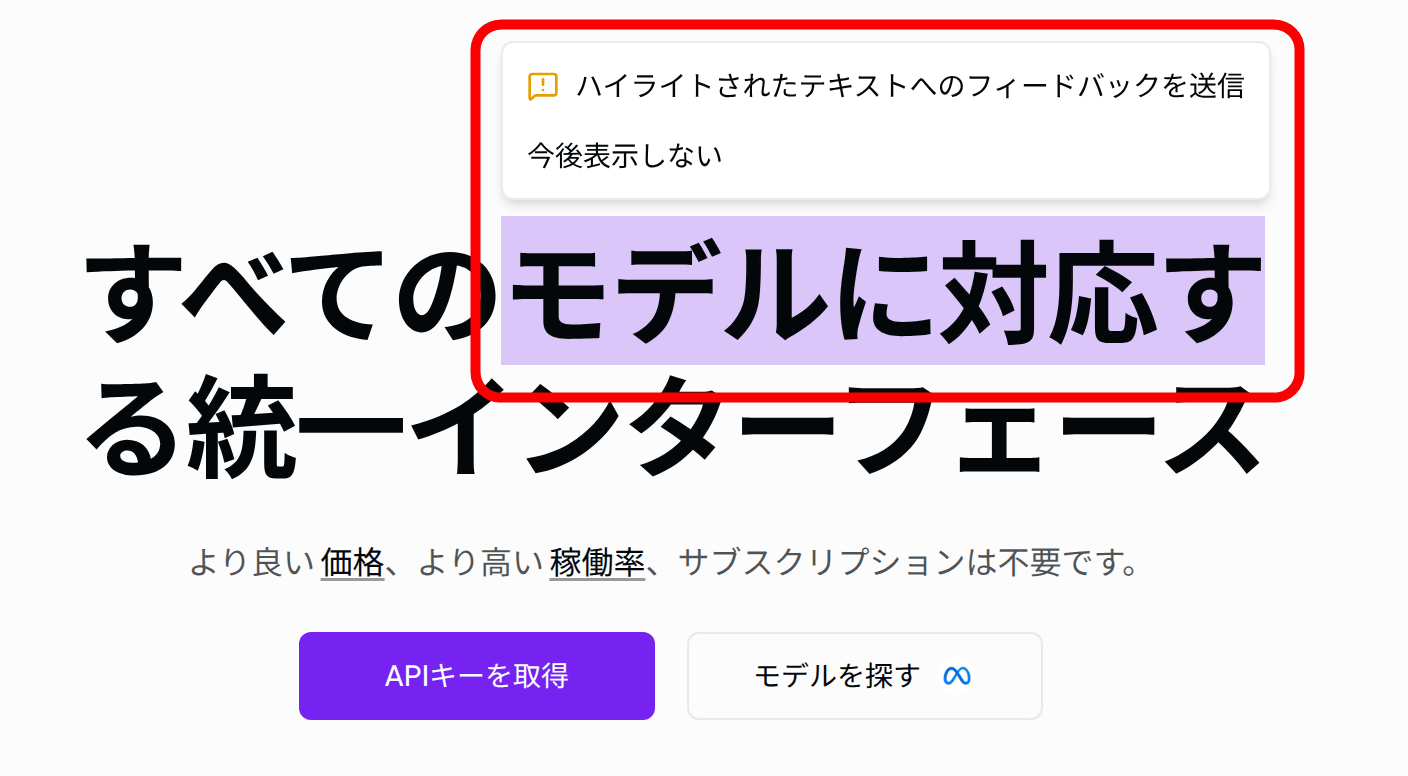
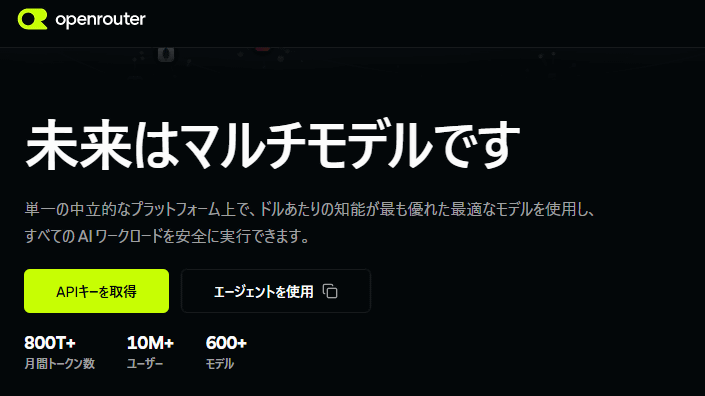
The homepage in Japanese is as follows. Although there is a sense of dissonance in the line break position of the headline "The Future is Multimodal," the content is accurately translated.
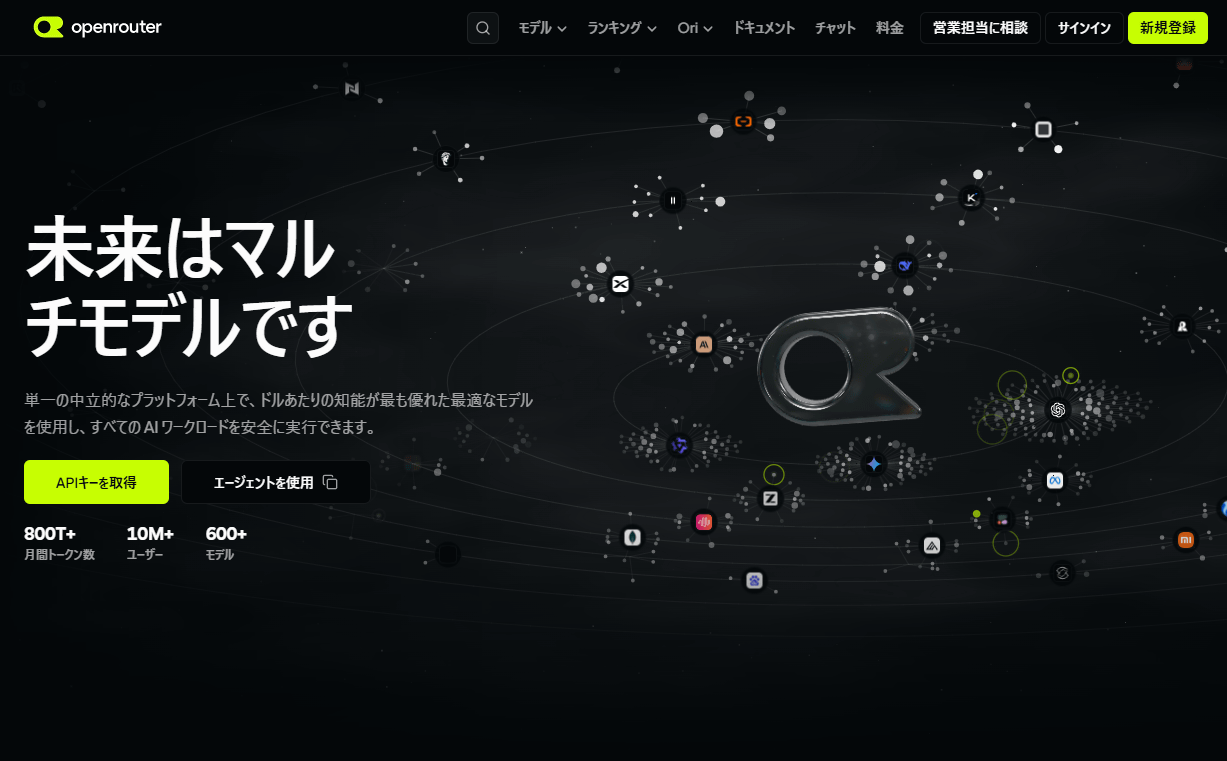
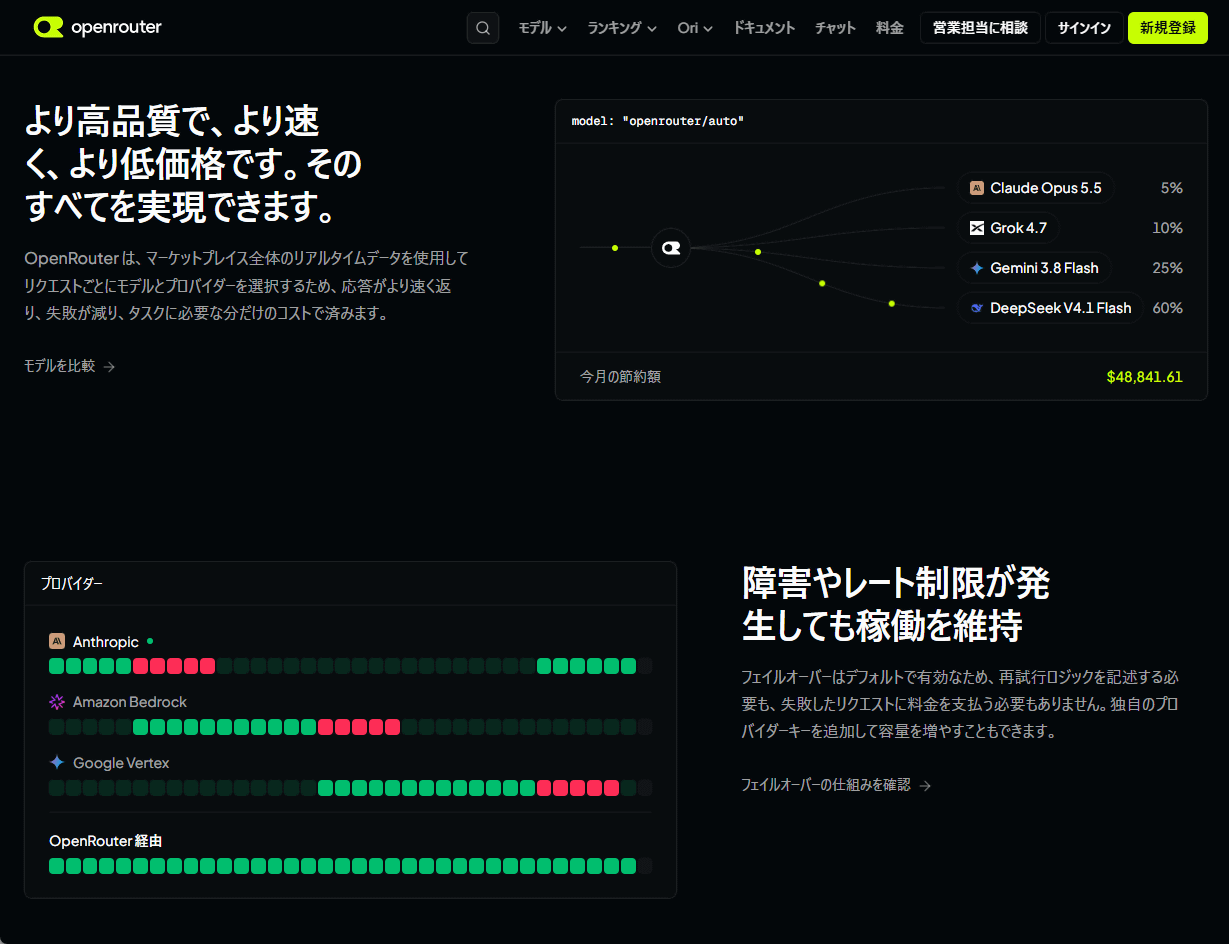
Scrolling down, it looks like this. The Japanese translations of the explanatory text and various buttons are appropriate, but the line breaks for phrases like "faster" and "occurred" in the headlines feel unnatural.
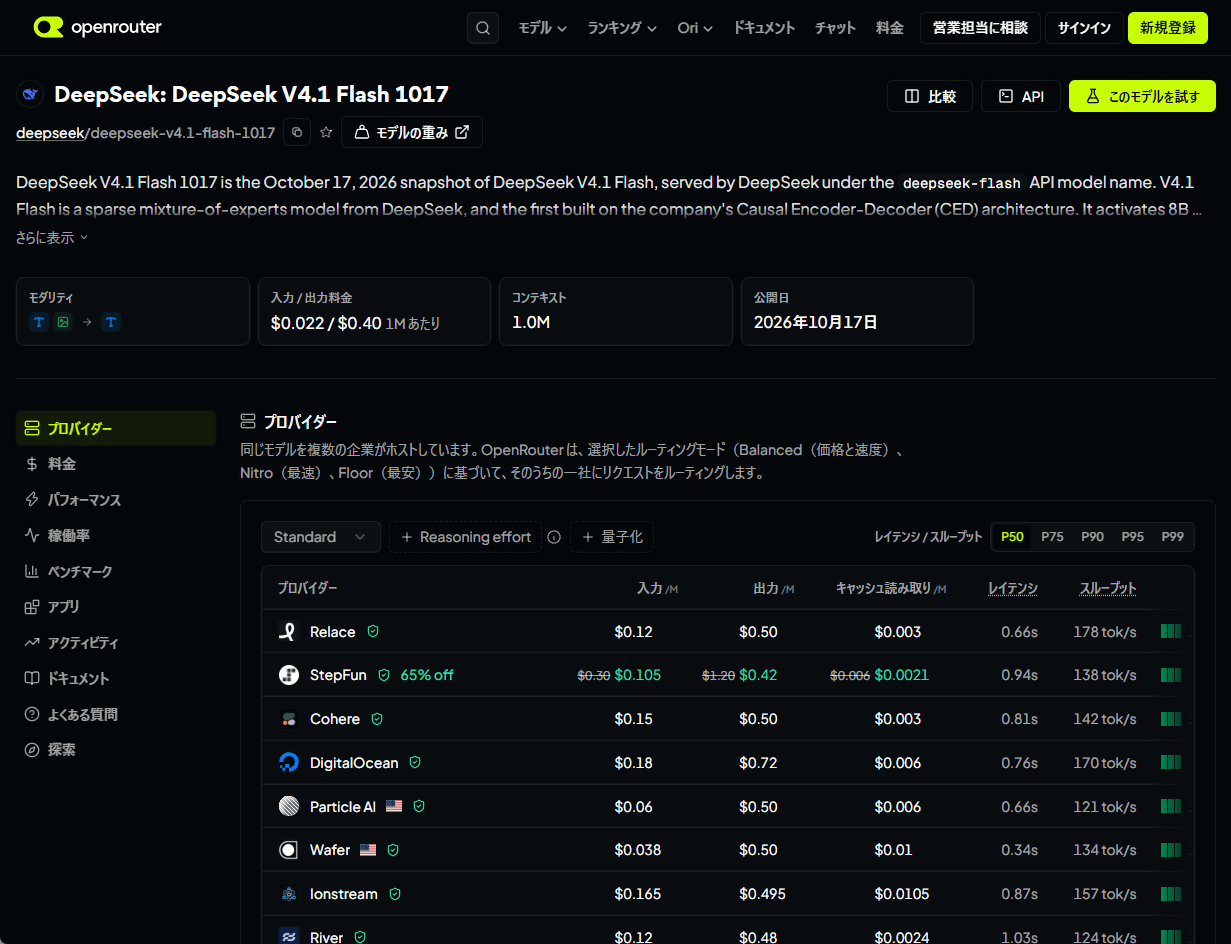
The model list page and model detail page are also translated into Japanese.
There are 16,918 strings on OpenRouter's website, and changes are made daily. To handle the large and frequently changing number of strings, OpenRouter has built a self-correcting translation system that can run a daily process of detecting changed strings, translating them with an AI model, checking them, and validating them by comparing with the meaning of the English version using another model.
The translation into each language uses GPT-6.1 Sol. During the development phase, the cheaper GPT-6 Luna was also considered, but the test pass rate for GPT-6 Luna was 91.7%, lower than that of GPT-6.1 Sol at 99.2%. It was reported that GPT-6 Luna was particularly poor at translating Japanese and Korean. Although GPT-6.1 Sol costs 3.4 times more than GPT-6 Luna, it was adopted because, considering the time and cost required to correct translation errors, it was more efficient. In addition to using "Claude Opus 5.5," "Gemini 4 Argon," and "DeepSeek V4 Pro" for validating the translation results, human reviews are also conducted.
The cost to translate the entire website into seven languages was kept around $460 (approximately 73,500 yen). If similar translations are requested from the translation service Smartling, the cost would be approximately $57,300 (about 9.16 million yen) for AI translation and approximately $191,000 (about 30.5 million yen) for human translation.
At the time of article creation, non-English languages are treated as beta versions, so there may be remaining inaccuracies in the expressions. Users can submit feedback on translations by enabling "select-to-report" in their account's language settings.