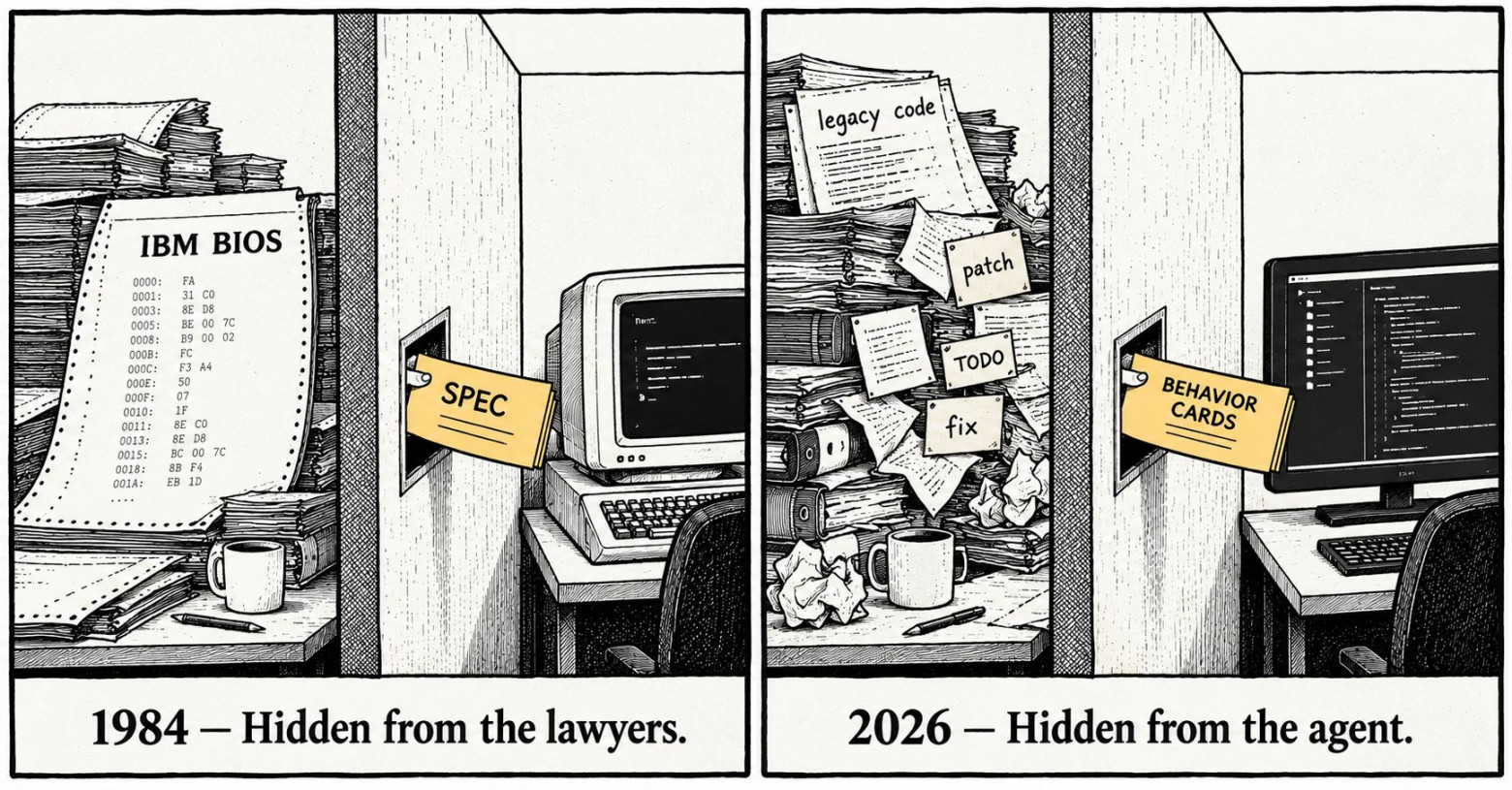
 © Anthropic
In order to comply with the new European Union rules, Anthropic is going to implement a labeling system for content generated by artificial intelligence. It is based on watermarks embedded in text and signed provenance metadata. However, the company acknowledges that this system has “its limitations.”
Since 2 August 2026, Article 50 of the AI Act has entered into force. Among these new European rules governing the digital sector, there is an obligation for providers of generative AI models and systems to develop a labeling system to mark content generated or modified using artificial intelligence.With Europe not hesitating to impose fines on those who do not comply with its rules, Anthropic has announced its own system for labeling content generated by its AI models. Here is what you need to know.
Anthropic introduces a labeling system for content generated by Claude
In a document shared online, Anthropic outlined its system for labeling content generated by its AI models in order to comply with European regulations. This includes output from Claude models supported on Claude Platform (API), Claude, Claude Code, Claude Cowork, and Claude Tag, as well as output accessible through partner cloud providers such as AWS, Google Cloud, and Microsoft Foundry. In addition, the labeling will apply to data produced by supported models, “wherever Claude is available, worldwide.”
Specifically, this labeling system will take two forms: watermarks embedded in text and signed provenance metadata. As Anthropic explains: “Generated text will contain embedded watermarks, and generated files will include digitally signed provenance metadata where possible,” before adding: “When a supported Claude model generates text, it embeds an imperceptible watermark in it. You will not see it, and it does not alter the meaning, quality, or readability of Claude’s response.”Anthropic furthermore specifies that the watermark, being an integral part of the text, will be « preserved during any copy-paste and may persist even after modification ». It should be noted that a system for marking AI-generated results will also be integrated into its models already published. Would Anthropic then have found a solution to meet the transparency requirements of the European AI Act? Not really.
A system that has “its limitations”
In the document shared online, Anthropic does not present its system for labeling AI-generated content as infallible and speaks frankly about “limitations”. The AI-focused company specifies that the presence of a Claude mark indicates that the content has been processed by one of its AI systems, without this constituting irrefutable proof. Furthermore, it clarifies that the absence of a marking does not mean that the content was not generated or processed by an AI.
Finally, let us note that several points remain unclear for the time being. Anthropic does not specify how the markings can be detected nor how it plans to make the watermarks difficult to remove.Some of its customers, for their part, may not take kindly to this labeling system, preferring to conceal the origin of the content they generate using AI.
👉🏻 Follow the tech news in real time: add 01net to your sources on Google and subscribe to our WhatsApp channel.
Source: Anthropic








- Google Play Store
- 4K Video Downloader Plus
- VLC Media Player
- Adobe Reader
- uTorrent
- WinRAR
- Xender
- Google Chrome
- CCleaner
- Mozilla Firefox
- Avast Free
- ChatGPT
- Microsoft 365
- Opera One
- Avast One










Download
- Google Play Store
- 4K Video Downloader Plus
- VLC Media Player
- Adobe Reader
- uTorrent
- WinRAR
- Xender
- Google Chrome
- CCleaner
- Mozilla Firefox
- Avast Free
- ChatGPT
- Microsoft 365
- Opera One
- Avast One