In today's era, where all data and systems that a company possesses are digitized and the use of AI is advancing, data centers that store massive amounts of data have become the core of the company.
Michael Bacarella, who worked at the financial trading company Jane Street , recounts a near-miss incident where the data center was almost flooded due to a "false alarm" from the sprinkler system.
How a false smoke alarm almost drowned Jane Street’s only NYC datacenter | Michael Bacarella
https://michael.bacarella.com/2026/11/10/false-smoke-alarm-jane-street-datacenter/
At the time, Michael Bacarella was a member of the systems team at Jane Street, responsible for managing and repairing all systems and hardware. It seems that during his time at Jane Street, the company had a machine room located right next to the trading floor.
One of the reasons for having a machine room within the company was the concern of intellectual property infringement, and the other was "insurance" against the possibility of being forced to unplug all power cords and shut down the trading system in an emergency. According to Bacarella, Jane Street had a partner who had worked on a nuclear submarine, and it was this person's suggestion that made it possible to manually shut down the automated system.
As the company grew, the machine room was equipped with online UPS (uninterruptible power supply),
computer room air conditioning (CRAC)
, network switches the size of refrigerators, diesel generators, and large server cabinets, gradually expanding into a full-scale data center. All of these were packed into a single floor of a high-rise building in New York.
When Bacarella first started working at Jane Street, he had grown tired of commuting for more than an hour each way, so he rented an apartment close to the company. It took only nine minutes on foot from his apartment to his desk on the trading floor, door to door, and he was proud to tell his team members about the convenience.
One evening, as Bacarella was about to take the elevator back to his apartment after work, he received a call from the Hong Kong branch of Jane Street, informing him that "a smoke detector had activated at the New York data center."
The cause of the smoke detector activation was dust generated when a contractor was working in the room adjacent to the data center, cutting something. Although the smoke detector detected this dust, the sprinkler system had not yet activated at that point.
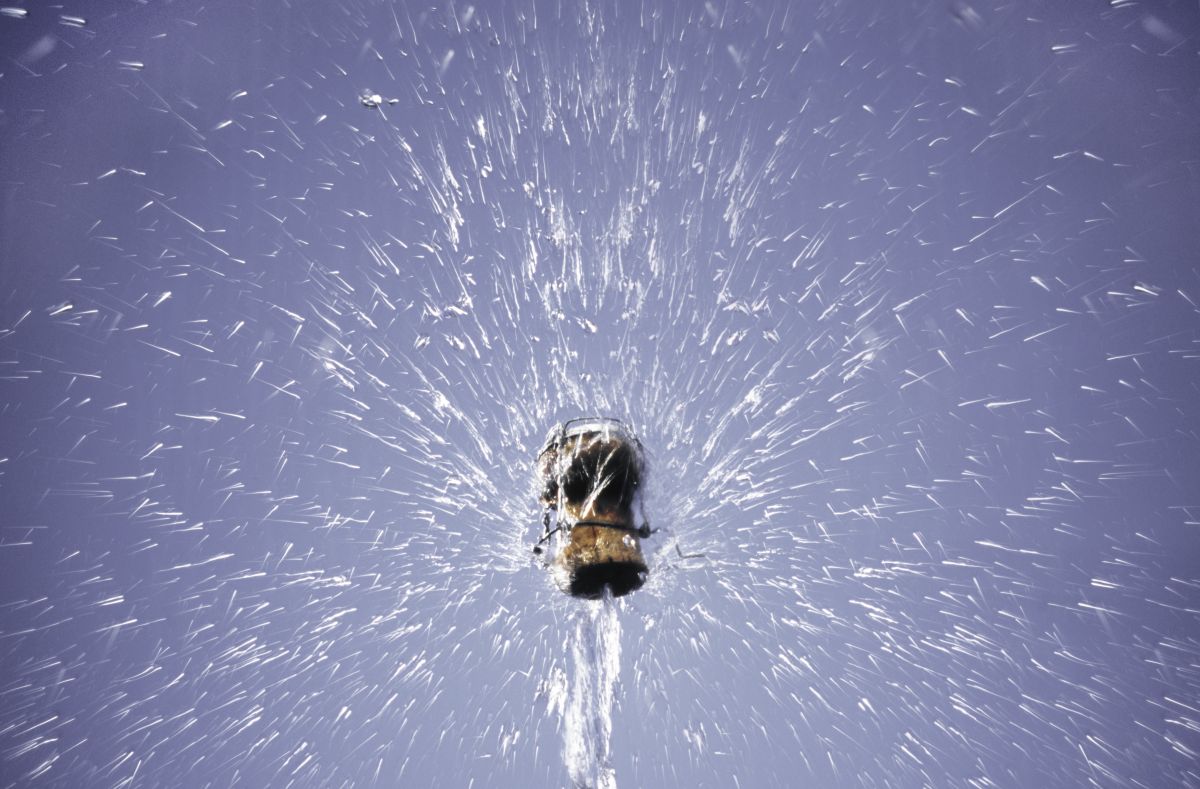
At Jane Street's data center, the sprinkler system was designed in a way that during normal operations, water was not sent through the pipes. Instead, when the smoke detectors sensed smoke, they would first send water through the pipes, and only after the heat detectors built into the sprinkler heads detected enough heat to warrant water discharge would the sprinklers actually release water.
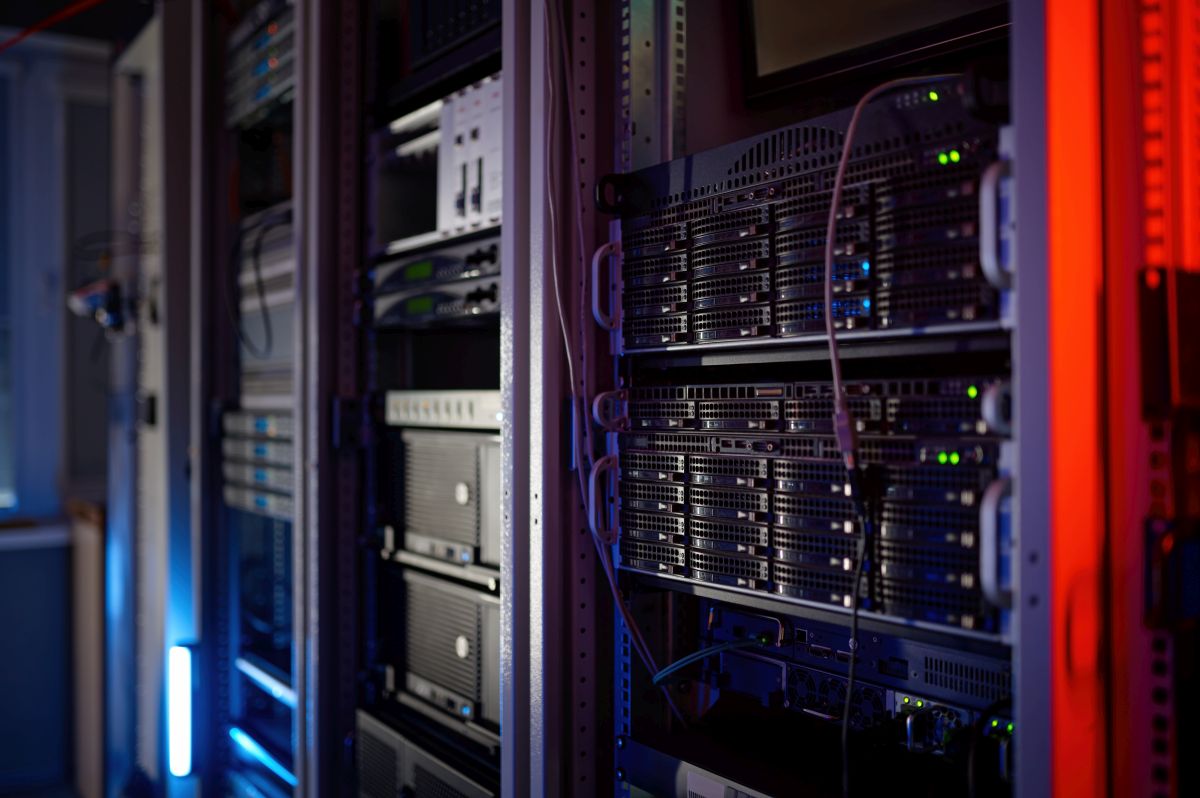
Thanks to the sprinkler system, no water had been released yet, but the system was programmed to "stop the CRAC units if smoke is detected during a fire, as circulating air during a fire can lead to fire spread."
When the CRAC units stopped, heat dissipation and cooling ceased, and the temperature in the data center, which housed many server racks, began to rise. Even though a fire had not occurred, it was possible that the temperature reached 150℉ (65.6℃), the threshold at which heat detectors activate.
If the sprinklers had activated, water would have been released into the data center, potentially disrupting Jane Street's business continuity. Therefore, Mr. Bacaella hurriedly made a U-turn back to the office.
When Mr. Bacaella arrived at the office by elevator and rushed into the data center, he found it had turned into a sauna. He manually unplugged the power cords from each rack with his hands to forcibly shut down the equipment. As a result, the temperature rise was stopped just at the threshold of 143.6℉ (62℃), where the heat detectors would activate.
Additionally, since the main markets in New York had already closed during the time the problem occurred, the impact of forcibly shutting down the data center could be minimized.
Afterwards, Jane Street held a meeting regarding the incident and decided to "keep the sprinklers in place while enhancing procedures and monitoring systems, and continue operating the data center within the office building."
As a measure, Mr. Bacaella built a system that "measures temperature using onboard sensors of each Linux server, calculates the average temperature every minute, and detects whether the temperature rises simultaneously across many servers." According to the report, when a temperature rise was confirmed, an alert was sent to the entire system team to check if the data center was overheating.

